
IMF Projects 1.3 Percent Regional Economic Contraction Amid Escalating Geopolitical Conflict
The IMF projects regional GDP across Pakistan, North Africa, and the Middle East will contract by 1.3 percent in 2026, driven by conflict-induced disruptions to energy and global shipping lines.
The Core Development
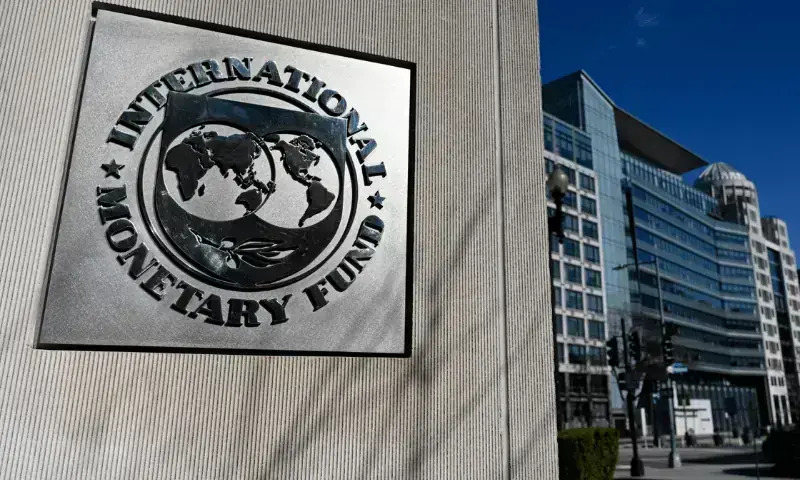
The International Monetary Fund (IMF) released its Regional Economic Outlook in Dubai on Thursday, projecting a severe economic contraction across the Middle East, North Africa, and Pakistan (MENAP) corridor. According to the Fund, collective real output across the region is forecast to contract by 1.3 percent in 2026 as a direct consequence of escalating regional warfare, highlighted by the US-Israeli confrontations with Iran. While the multilateral lender anticipates a sharp rebound to 6.6 percent growth in 2027, cumulative output across the surveyed economies is projected to remain permanently below pre-war projections.
The IMF report highlights that the conflict has disrupted hydrocarbon extraction, interrupted critical commercial maritime routes through the Persian Gulf and Red Sea, battered tourism, and suppressed investor sentiment. The economic fallout, however, remains asymmetrical. Hydrocarbon-exporting nations face severe immediate disruptions due to localized infrastructure damage and export bottlenecks, while net energy importers, including Pakistan, confront secondary shocks through elevated import bills, fluctuating currency dynamics, and broader balance-of-payments volatility.
Commercial & Economic Implications
For Pakistan's commercial landscape, the forecasted contraction introduces significant supply chain and pricing challenges. Domestic wholesale and retail distributors, particularly those reliant on imported industrial inputs, consumer goods, and petroleum products, face heightened landing costs. The disruption of maritime shipping lanes has led to a steep escalation in war risk premiums, freight rates, and transit durations.
Wholesale distribution hubs in Karachi, Lahore, and Faisalabad are likely to absorb rising logistics costs, which will subsequently filter into retail pricing. Although Pakistan operates as an oil importer that has demonstrated nominal structural resilience under ongoing macroeconomic stabilization programs, an extended geopolitical shock threatens to reignite imported inflation. Heightened landed costs for fuels and fertilizers directly affect domestic transport overheads and agricultural production, depressing real household purchasing power and cooling consumer demand across non-essential retail categories.
Related Intelligence: JI and Government Set Crucial Talks Over Escalating Petroleum Levy Demands
Stakeholder Perspectives & Market Reactions
Domestic trade bodies, industrial associations, and financial analysts have expressed acute concern regarding the IMF's regional contraction warning. Representatives from major chambers of commerce have urged the government to establish targeted contingency measures, specifically addressing potential foreign exchange rationing should energy prices face prolonged upward spikes. Commercial importers have noted that shipping lines are increasingly surcharging shipments routed via regional hubs, compressing margins in wholesale distribution networks.
Financial sector analysts in Karachi note that while the benchmark stock exchange had factored in baseline geopolitical tensions, the confirmation of a broader regional output contraction could tighten external financing conditions. Legal and international trade experts have emphasized that bilateral trade flows, transit trade mechanisms, and remittance corridors from the Gulf Cooperation Council (GCC) could face operational bottlenecks if financial settlement systems and logistics networks suffer further geopolitical compartmentalization.
Forward Outlook & Key Watchpoints
The economic trajectory for Pakistan and the wider MENAP region over the coming quarters hinges on containment of the conflict and the integrity of critical maritime chokepoints. Key watchpoints include crude oil and liquefied natural gas price volatility on global benchmarks, international freight tariff revisions, and the resilience of cross-border remittance inflows from expatriate workers in the Gulf.
Furthermore, market observers will monitor the IMF's forthcoming review cycles, particularly how bilateral external financing assurances and balance-of-payments targets are adjusted to account for the regional slowdown. Should energy infrastructure face sustained kinetic disruptions, the anticipated 6.6 percent growth rebound in 2027 could be delayed, forcing fiscal and monetary authorities to recalibrate their medium-term stabilization policies.
Join Our Official WhatsApp Channel
Receive live commodity alerts, policy changes, and commercial intelligence directly on WhatsApp.