
ICC Unseals Arrest Warrants for Afghan Taliban Education Ministers Over Gender Persecution
The International Criminal Court has unsealed arrest warrants for two senior Afghan Taliban education ministers, intensifying global scrutiny and diplomatic pressure over systemic restrictions on female education.
The Core Development
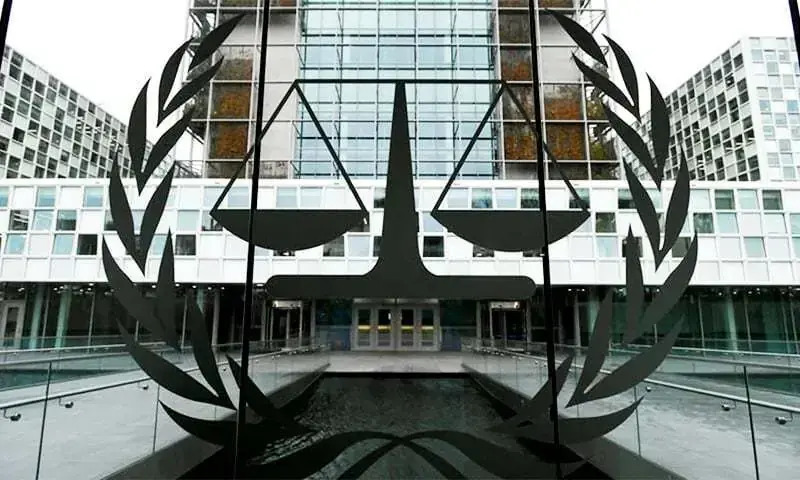
The International Criminal Court (ICC) on Monday officially unsealed arrest warrants for two senior Afghan Taliban education ministers, marking a significant escalation in international legal accountability regarding the regime's systemic curtailment of women's rights. The warrants target Habibullah Agha, the Taliban government's minister of education, and Neda Mohammad Nadeem, the minister of higher education. Although these judicial instruments were initially issued under seal in September 2025, their public disclosure underscores a hardening global stance against the systematic denial of fundamental human rights within Afghanistan.
Legal proceedings center on accusations of crimes against humanity, specifically citing widespread gender-based persecution. Since the Afghan Taliban’s return to power in August 2021, the de facto administration has systematically dismantled female educational access, barring girls from attending school beyond the primary level and subsequently locking women out of universities and higher education institutions. Investigators argue these edicts are not merely administrative adjustments but calculated, systemic policies designed to erase women from public and intellectual life, thereby meeting the stringent legal thresholds of international crimes against humanity under the Rome Statute.
Commercial & Economic Implications
For traders, business owners, and commercial enterprises operating within Pakistan, particularly along the porous western frontier, heightened international sanctions and diplomatic isolation of Kabul carry immediate economic reverberations. Cross-border trade, wholesale distribution networks, and regional commerce remain inextricably linked to political stability and international legitimacy in Afghanistan. Intensified global pressure and potential tightening of financial oversight on Afghan authorities risk disrupting informal trade corridors, currency exchange stability, and supply chain logistics that sustain bilateral markets.
Furthermore, prolonged humanitarian and institutional isolation inside Afghanistan suppresses domestic consumer demand and purchasing power across neighboring regional economies. While retail trade in Pakistani border markets such as Chaman and Torkham depends heavily on steady commercial exchange, escalating geopolitical tensions and diplomatic friction create regulatory uncertainty. Business communities must navigate potential trade bottlenecks, fluctuating currency flows, and stricter compliance mandates as international financial institutions and regulatory bodies align enforcement mechanisms with broader geopolitical pressures.
Related Intelligence: ICC Unseals Arrest Warrants for Taliban Education Ministers Over Gender Persecution
Stakeholder Perspectives & Market Reactions
Business councils, trader associations, and legal experts across the region are closely monitoring the fallout from the ICC's unsealed warrants. Industry bodies note that while commercial transactions with Afghan counterparts continue through informal and bilateral channels, escalating international legal actions against key regime figures complicate formal banking channels and trade financing. Financial compliance officers emphasize that dealing with entities tied to sanctioned or indicted officials heightens institutional risk, prompting commercial banks to exercise extreme caution regarding cross-border remittances.
Legal commentators suggest that while the ICC lacks direct enforcement capability within Afghanistan, the unsealing of warrants severely restricts the travel mobility of targeted Taliban leadership and deters third-party states from engaging in normal diplomatic or economic normalization. Public response among regional civil society organizations has welcomed the judicial move as a necessary step against gender apartheid, contrasting sharply with the ongoing economic isolation felt by ordinary citizens inside Afghanistan who bear the brunt of systemic policy failures.
Forward Outlook & Key Watchpoints
As international pressure mounts on the Afghan Taliban government, market participants and policy analysts are tracking several critical indicators. Key watchpoints include potential secondary sanctions from Western economies, shifts in regional diplomatic alignment among neighboring states, and any operational adjustments in cross-border trade policies at major transit hubs.
Stakeholders must remain vigilant regarding regulatory updates from financial watchdogs and trade ministries in Islamabad, which may introduce tighter oversight on capital flows and border transit. The medium-term trajectory of bilateral commerce will depend heavily on whether the de facto administration adjusts its domestic governance framework or faces further international isolation, directly impacting regional supply chain stability and economic predictability.
Join Our Official WhatsApp Channel
Receive live commodity alerts, policy changes, and commercial intelligence directly on WhatsApp.