
Trump Blames Democrats and Ukraine for US Fuel Price Surges
Donald Trump attributes soaring American fuel costs to Democratic state regulations and Ukrainian refinery strikes, bypassing Middle East geopolitical pressures.
Geopolitical & Core Developments
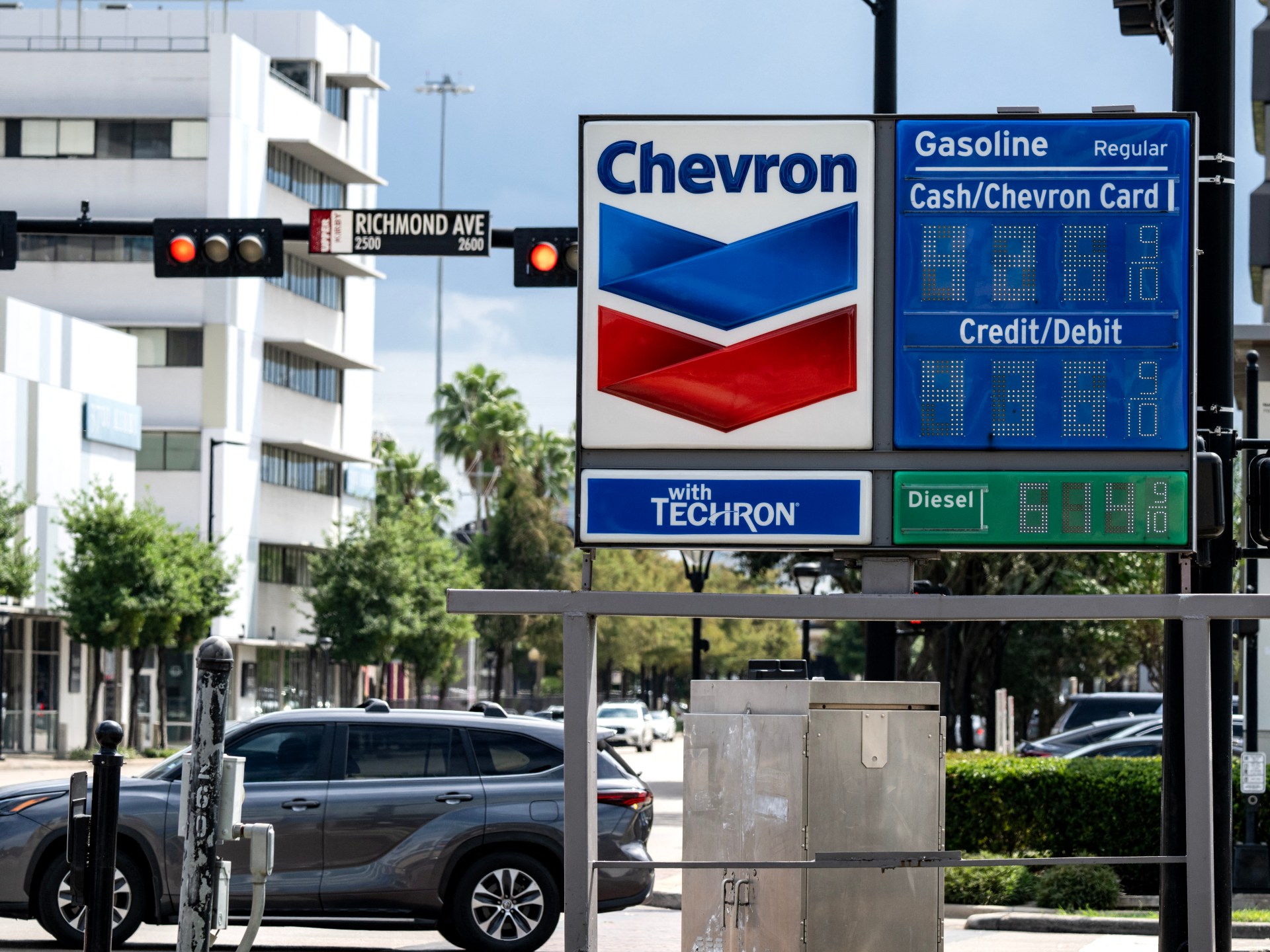
In a significant rhetorical shift regarding domestic economic pressures, former United States President Donald Trump has publicly deflected responsibility for soaring American fuel prices away from the widening conflict involving Iran, instead squarely targeting domestic progressive governance and foreign military tactics. Addressing supporters and economic forums, Trump argued that persistent high fuel costs at the pump are the direct consequence of stringent environmental regulations enforced in Democratic-led states, most notably California, alongside strategic Ukrainian drone strikes targeting Russian petroleum infrastructure.
The commentary arrives at a volatile juncture for international diplomacy and energy security. While mainstream geopolitical analysts point to Middle Eastern hostilities, blockades in vital maritime chokepoints, and production cuts by the Organization of the Petroleum Exporting Countries and its allies (OPEC+) as primary drivers of crude oil volatility, Trump's narrative frames the crisis as a domestic policy failure compounded by foreign military strategy. By asserting that Ukrainian strikes on Russian refineries inadvertently tighten global petroleum supplies and elevate domestic refining margins, the discourse introduces a complex friction point between Washington's stated foreign policy objectives of supporting Kyiv and the immediate economic pain felt by American consumers.
Global Trade & Economic Ripples
The intersection of domestic American politics and international supply chain disruptions has profound implications for global commodity markets. Russian refined products and crude oil, despite facing stringent Western sanctions, price caps, and embargoes, remain deeply integrated into the delicate architecture of global energy flows through shadow fleets and secondary buyer networks in Asia. Consequently, sustained kinetic targeting of Russian refining capacity by Ukrainian forces removes critical volumes of finished distillates from the international market, exerting upward pressure on global benchmark prices including Brent and West Texas Intermediate (WTI).
Simultaneously, domestic US energy markets are experiencing acute regional divergence. States with aggressive carbon reduction mandates and specialized boutique fuel formulations, such as California, routinely trade at significant premiums compared to Gulf Coast or Permian Basin producing states. Trump's focus on these regulatory frameworks resonates within broader debates concerning American energy independence, fossil fuel capital expenditure, and refining capacity bottlenecks. As logistics costs climb, shipping lanes face persistent threat premiums, and currency fluctuations driven by aggressive monetary policy intersect with energy pricing, international trade balances for net-importing economies face renewed inflationary headwinds.
Related Intelligence: Pakistan Adjusts Fuel Prices with Minor Petrol Hike and Diesel Relief
International Reactions & Diplomatic Stances
Official responses from multilateral institutions, foreign ministries, and market analysts reflect deep concern over the politicization of global energy corridors. Representatives from energy-dependent economies in Europe and Asia have reiterated the necessity of maintaining predictable commodity flows while navigating complex sanctions regimes. European Union officials emphasize that holding Russia accountable for its territorial aggression necessitates sustained pressure on its primary revenue-generating sector, even if short-term market adjustments produce inflationary friction.
Conversely, energy market analysts and commodity strategists have expressed apprehension regarding the long-term viability of weaponized supply chains. Several prominent economic think tanks noted that attributing global price movements solely to regional state policies or isolated tactical strikes oversimplifies a deeply integrated global commodity ecosystem. These institutions argue that underinvestment in traditional hydrocarbon infrastructure over the past decade, combined with geopolitical risk premiums across the Middle East, constitutes the structural foundation of current price volatility, rendering political finger-pointing an ineffective substitute for comprehensive supply-side strategies.
Strategic Outlook & Future Scenarios
Looking toward the medium-term horizon, the trajectory of global fuel prices and energy geopolitics will be dictated by several converging escalation points. The intensity and precision of Ukrainian strikes against Russian energy infrastructure show no immediate signs of abatement, suggesting ongoing friction in the refined products market. Simultaneously, diplomatic efforts to broker ceasefires or secure maritime transit routes in the Middle East remain fragile, leaving crude oil markets vulnerable to sudden supply shocks.
For international traders and corporate risk managers, the primary takeaway is an era of sustained volatility where domestic electoral politics increasingly intersect with macroeconomic commodity pricing. Upcoming diplomatic summits, ministerial meetings of major energy producers, and potential adjustments to Western sanctions enforcement mechanisms will serve as crucial indicators for market stability. As governments attempt to balance national security imperatives, environmental mandates, and consumer cost-of-living pressures, the global energy architecture will remain highly susceptible to both geopolitical conflict and domestic political rhetoric.
Join Our Official WhatsApp Channel
Receive live commodity alerts, policy changes, and commercial intelligence directly on WhatsApp.