
Hurricane Isaias Batters US Gulf Coast, Disrupting Energy and Supply Chains
Hurricane Isaias struck the US Gulf Coast, disrupting energy infrastructure and leaving over 664,000 customers powerless across Florida and Alabama.
Geopolitical & Core Developments
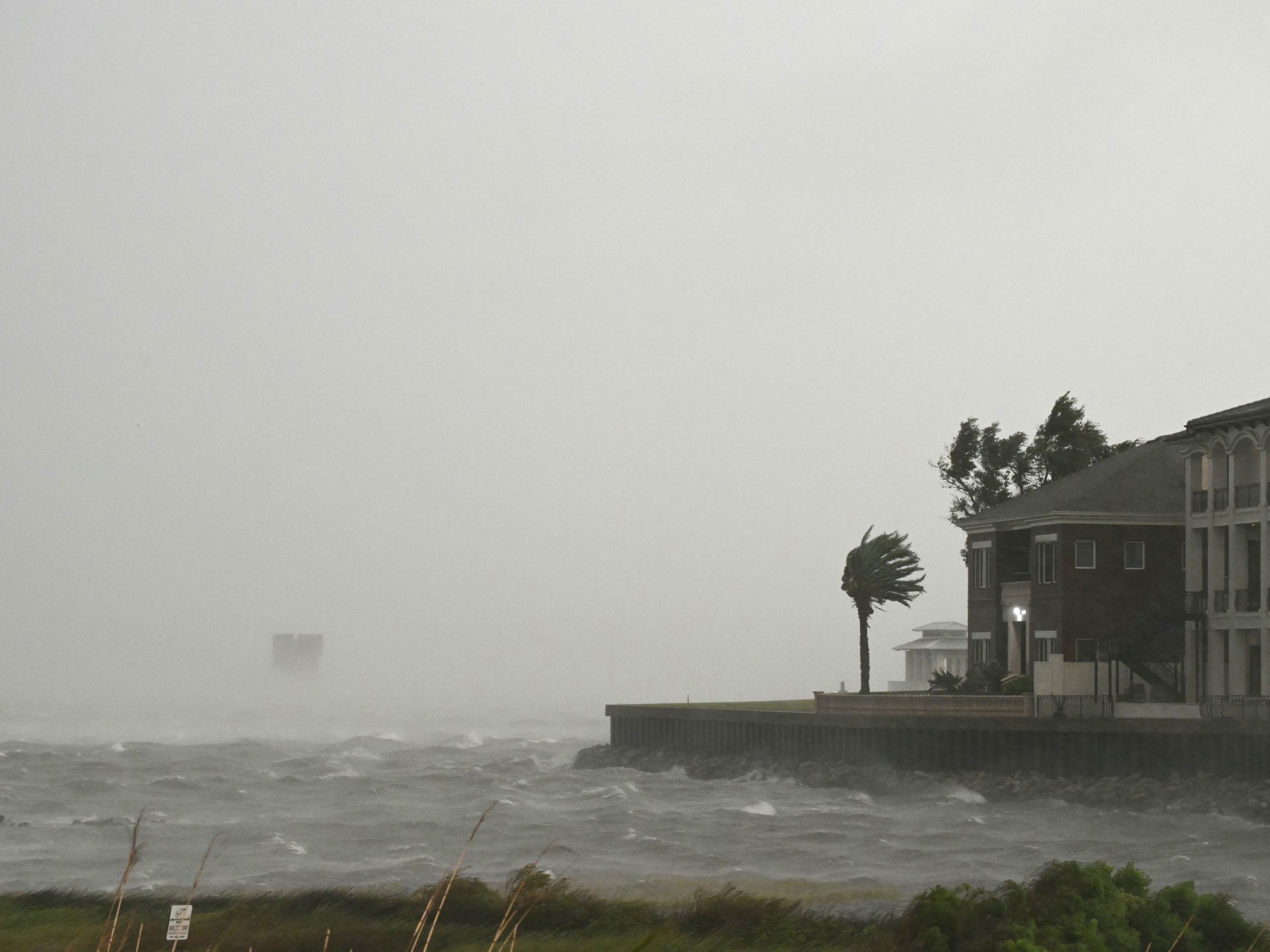
Hurricane Isaias made a powerful landfall along the United States Gulf Coast, bringing destructive winds, torrential rainfall, and severe storm surges to the critical coastal regions of Florida and Alabama. As the storm moved ashore, its ferocious winds uprooted mature trees, snapped high-voltage power lines, and caused widespread structural damage to residential and commercial properties. Local emergency management agencies immediately transitioned from preparedness to active rescue and recovery operations, deploying swift-water rescue teams and heavy equipment to clear blocked thoroughfares. Although the storm began to lose sustained intensity and was downgraded from a primary hurricane to a tropical depression as it tracked inland, its atmospheric footprint remains vast. State governors in both Florida and Alabama declared localized states of emergency, mobilizing National Guard units to assist municipal authorities with grid restoration, debris removal, and public safety enforcement. The meteorological event underscores the growing vulnerability of densely populated coastal corridors to rapid intensification cycles driven by warming oceanic temperatures, prompting renewed federal scrutiny over domestic disaster response readiness and infrastructure hardening initiatives.
Global Trade & Economic Ripples
The immediate commercial consequence of Hurricane Isaias centers on the disruption of vital energy corridors and logistical supply chains clustered along the Gulf of Mexico. The region serves as a foundational hub for United States crude oil production, petroleum refining, and maritime commerce. Precautionary shutdowns of offshore drilling platforms and temporary suspensions of operations at several key regional refineries introduced immediate friction into domestic fuel markets, sparking marginal upward pressures on wholesale gasoline futures. Furthermore, major commercial shipping lanes and port facilities across the Florida panhandle and coastal Alabama experienced temporary closures, delaying containerized freight movements and bulk commodity shipments. Agricultural supply chains in the southeast also absorbed significant blows, with localized flooding threatening citrus crops and regional timber yields. International commodity traders closely monitored the logistics bottlenecks, factoring potential delivery delays into spot pricing for energy derivatives and industrial inputs.
Related Intelligence: Hurricane Isaias Strikes Florida Threatening US Energy and Supply Chains
International Reactions & Diplomatic Stances
While domestic agencies assumed primary operational responsibilities, international commodity analysts, shipping syndicates, and multilateral economic monitoring bodies closely evaluated the cascading effects of the storm on global markets. Energy market intelligence agencies released special briefings assessing the resilience of strategic petroleum reserves and the potential duration of refinery outages. International shipping associations noted that while global maritime trade routes remain resilient, recurring climate-driven disruptions to North American ports necessitate a broader reassessment of supply chain redundancy and risk management strategies. Foreign trade partners, particularly major energy importers dependent on refined petroleum products from the US Gulf Coast, monitored output recovery timelines to gauge potential impacts on transatlantic trade balances and benchmark fuel indices.
Strategic Outlook & Future Scenarios
Looking ahead, the trajectory of economic recovery depends heavily on the speed at which electric utilities can restore high-voltage transmission networks to industrial zones and residential centers. Energy analysts project that while localized power restoration may take several days, full operational capacity for regional refineries and logistics hubs will normalize within a fortnight, provided subsequent weather systems do not compound existing damages. However, the event serves as a stark reminder of systemic vulnerabilities within global commodity hubs facing intensifying climatic volatility. Policymakers and industry stakeholders are expected to accelerate capital expenditure discussions focused on grid modernization, climate-resilient infrastructure investments, and diversified supply chain architectures to insulate international trade flows from recurring meteorological shocks.
Join Our Official WhatsApp Channel
Receive live commodity alerts, policy changes, and commercial intelligence directly on WhatsApp.