
Panama Earthquake Spares Global Maritime Trade As Markets Monitor Supply Chains
A powerful 7.7 magnitude earthquake struck southern Panama, causing localized building damage while leaving critical Panama Canal trade operations entirely unaffected.
The Core Development
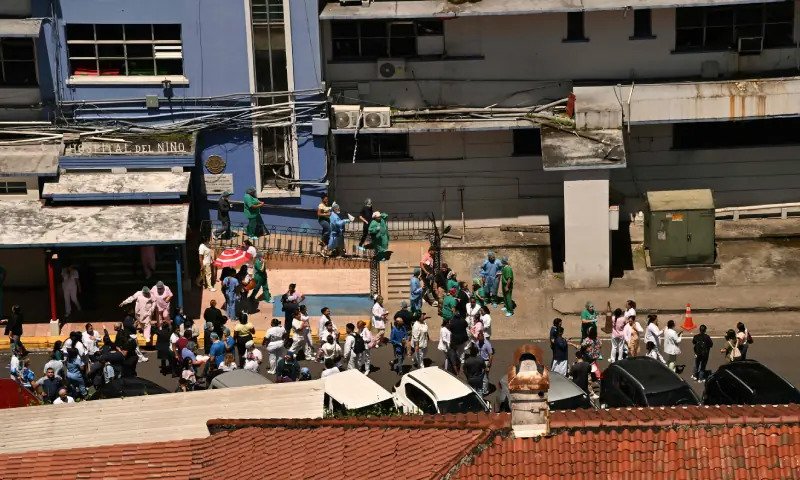
A powerful 7.7 magnitude earthquake struck near the southern coast of Panama on Friday, registering at a shallow depth of 12.6 kilometers (7.8 miles) according to the United States Geological Survey (USGS). The epicenter was located close to the rural community of La Pitaloza in a sparsely populated area of Herrera province near the Pacific coastline. Strong tremors were felt across the nation and as far away as San Jose, the capital of neighboring Costa Rica. Because major earthquakes of this magnitude are historically rare in Panama, the sudden seismic event triggered immediate widespread panic among residents. Television footage broadcast in the aftermath showed elderly citizens gathered in the streets, visibly shaken by a series of rolling aftershocks. Local residents in the Las Minas area reported structural cracks in residential properties, raising urgent concerns over local building resilience and emergency response capabilities in rural districts.
Commercial & Economic Implications
For international trade networks, shipping conglomerates, and emerging market economies such as Pakistan, the primary immediate concern centered on the operational integrity of the Panama Canal. As a vital global maritime chokepoint handling a significant percentage of international container traffic connecting the Atlantic and Pacific oceans, any disruption to canal transits carries severe implications for global supply chains, freight rates, and commodity pricing. Fortunately, preliminary assessments by canal authorities confirmed that locks, transit schedules, and administrative operations sustained no structural damage and continued running normally. For Pakistani importers and exporters relying on trans-Pacific shipping lanes, this averted a potential cascade of rising freight costs, delayed cargo arrivals, and inflationary pressures on imported industrial inputs and consumer goods.
Related Intelligence: Massive 7.7 Magnitude Earthquake Strikes Panama Triggering Regional Tsunami Alerts
Stakeholder Perspectives & Market Reactions
International logistics providers, insurance syndicates, and commodity traders reacted to the initial seismic alerts with swift monitoring protocols. Shipping associations noted that while infrastructure within the immediate epicenter suffered localized masonry damage, modern engineering standards applied to critical national assets prevented catastrophic economic fallout. Regional government officials and disaster management agencies deployed inspection teams to Herrera province to evaluate structural integrity and assist displaced families. Financial markets, having initially braced for potential logistical bottlenecks in global maritime trade, stabilized quickly as reports confirmed that maritime transit corridors through the isthmus remained fully operational.
Forward Outlook & Key Watchpoints
As Panama moves from immediate emergency response to structural assessment, international logistics analysts are maintaining a close watch on regional aftershock activity and infrastructural audit reports. Key watchpoints include ongoing geotechnical evaluations of transport corridors, potential repair costs for rural housing, and institutional reviews of national seismic preparedness frameworks. While global trade flows remain uninterrupted, the event serves as a stark reminder of the vulnerability of global trade nodes to unforeseen natural shocks, reinforcing the imperative for diversified supply chain strategies among multinational corporations and trade-dependent economies.
Join Our Official WhatsApp Channel
Receive live commodity alerts, policy changes, and commercial intelligence directly on WhatsApp.