
Houthi Missile Strikes Escalation Threatens Global Energy Corridors
Coordinated Houthi missile strikes on Aden airport and Riyadh heighten geopolitical tensions, threatening critical global trade lanes and regional energy security.
Geopolitical & Core Developments
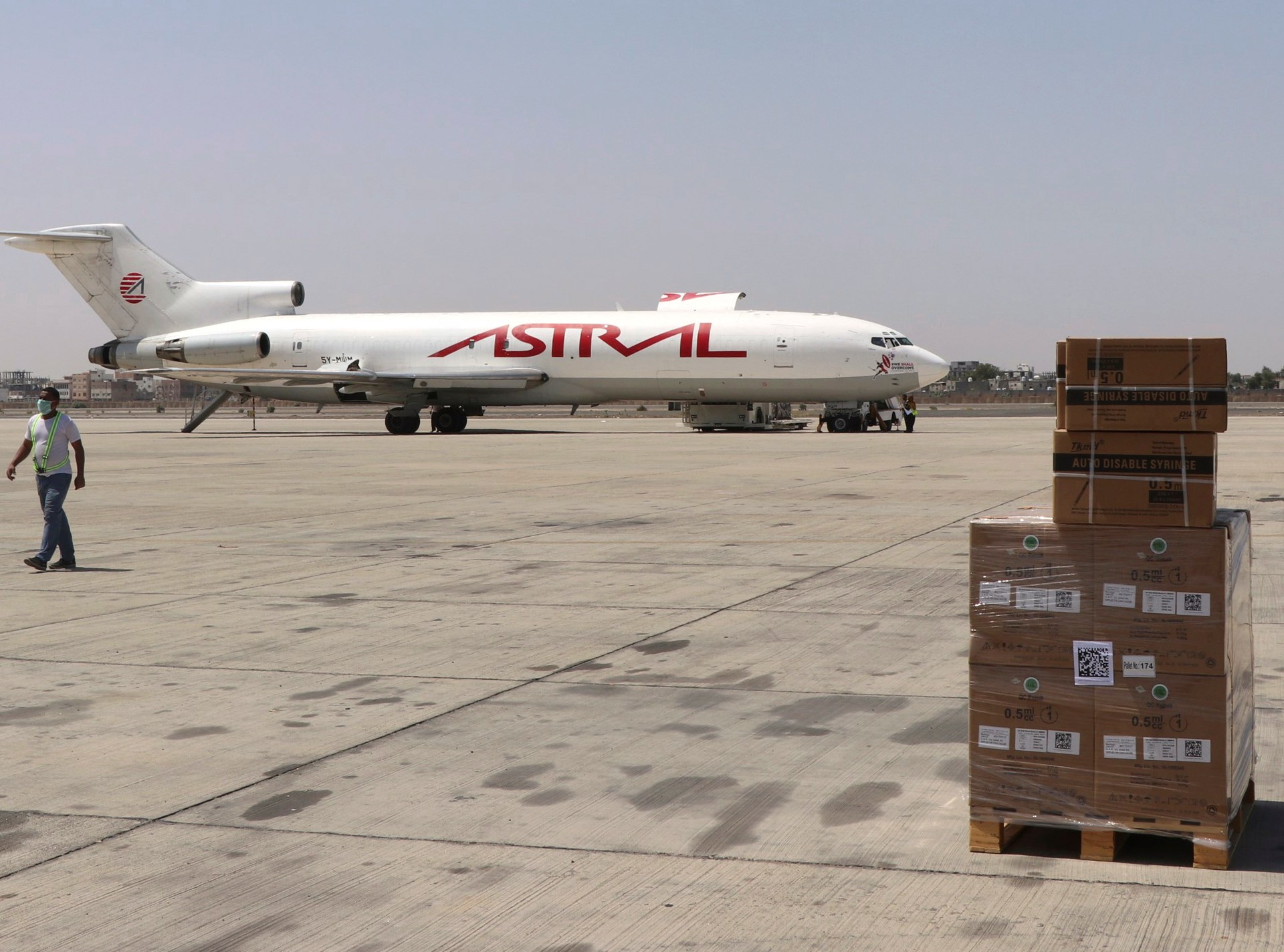
The security architecture of the Arabian Peninsula suffered a severe fracture following a coordinated ballistic and drone offensive attributed to Yemen's Houthi movement. In a brazen escalation, projectiles targeted the strategic southern port city of Aden, striking the international airport's operational runway mere minutes before a scheduled commercial arrival from Cairo was cleared to land. Simultaneous to the Aden assault, air defense batteries deployed by the Kingdom of Saudi Arabia successfully intercepted and destroyed a ballistic missile trajectory heading toward the capital city of Riyadh.
This dual-front operation marks a dangerous inflection point in the protracted Yemeni civil war, demonstrating an expanded operational reach and sophisticated technological capabilities among insurgent forces. The timing of the Aden runway strike—precisely calibrated to coincide with international civilian transit—signals a tactical shift toward disrupting vital transportation infrastructure. State actors and regional intelligence analysts note that these actions dismantle fragile cease-fire frameworks and complicate ongoing back-channel diplomatic efforts mediated by Oman and the United Nations. The convergence of threats against both a vital domestic Yemeni hub and the political core of the region's leading economic power underscores the profound fragility of the current security paradigm.
Global Trade & Economic Ripples
Beyond the immediate humanitarian and military dimensions, the escalation reverberates powerfully through global commodity markets, international shipping lanes, and energy supply networks. The Bab el-Mandeb strait, located just miles from the theater of conflict, serves as an indispensable maritime chokepoint through which millions of barrels of crude oil and liquefied natural gas transit daily toward European and Asian refineries. Any sustained instability in Aden or surrounding airspace immediately translates into elevated risk premiums for commercial vessel charterers, maritime insurers, and energy conglomerates.
Global energy markets reacted swiftly to the developments, with Brent crude futures exhibiting heightened intraday volatility. Shipping lines are increasingly forced to re-evaluate contingency routes around the Horn of Africa, introducing severe delays and inflationary pressures into global supply chains. Furthermore, international cargo handlers operating in the Red Sea corridor face soaring war-risk insurance surcharges, directly impacting the landed cost of goods traded between Asia and Europe. For Kalyar Traders World Desk, these maritime logistics disruptions demand an immediate recalibration of pricing models across base metals, agricultural commodities, and refined petroleum products.
Related Intelligence: Yemen Education Collapse Threatens Regional Stability and Economic Recovery
International Reactions & Diplomatic Stances
Global capitals and multilateral organizations swiftly condemned the escalation, warning of catastrophic humanitarian and economic consequences if hostilities persist unchecked. The United Nations Special Envoy for Yemen issued an urgent appeal for maximum restraint, emphasizing that attacks on civilian infrastructure constitute severe violations of international humanitarian law and threaten to derail delicate peace negotiations.
Western governments reiterated their unwavering commitment to the territorial defense of Saudi Arabia while calling for an immediate cessation of Houthi offensive operations. Concurrently, regional economic partners expressed deep alarm over the safety of commercial aviation corridors across the Arabian Peninsula. Market analysts from leading financial institutions noted that the persistence of such geopolitical flashpoints severely undermines foreign direct investment inflows into the broader Middle East and North Africa region, forcing institutional investors to adopt defensive postures across emerging market debt and equity portfolios.
Strategic Outlook & Future Scenarios
Looking ahead, the trajectory of the conflict hinges on whether international diplomacy can rein in regional proxies or if the confrontation will devolve into a wider military campaign. The upcoming United Nations Security Council sessions are expected to focus heavily on tightening arms embargo enforcement and expanding targeted sanctions against Houthi leadership networks and their external financial backers.
For commercial operators and international traders, risk management protocols must be elevated to address persistent maritime and aviation disruptions. As governments weigh potential military deterrence measures against diplomatic engagement, the risk premium embedded in Middle Eastern energy supplies and logistics channels is expected to remain structurally elevated throughout the fiscal quarter.
Join Our Official WhatsApp Channel
Receive live commodity alerts, policy changes, and commercial intelligence directly on WhatsApp.