
Houthi Missile Strike Kills 18 in Yemen's Shabwa Province
A ballistic missile strike by Houthi forces on a military base in Shabwa has killed at least 18 personnel, escalating regional security concerns near key energy infrastructure.
Geopolitical & Core Developments
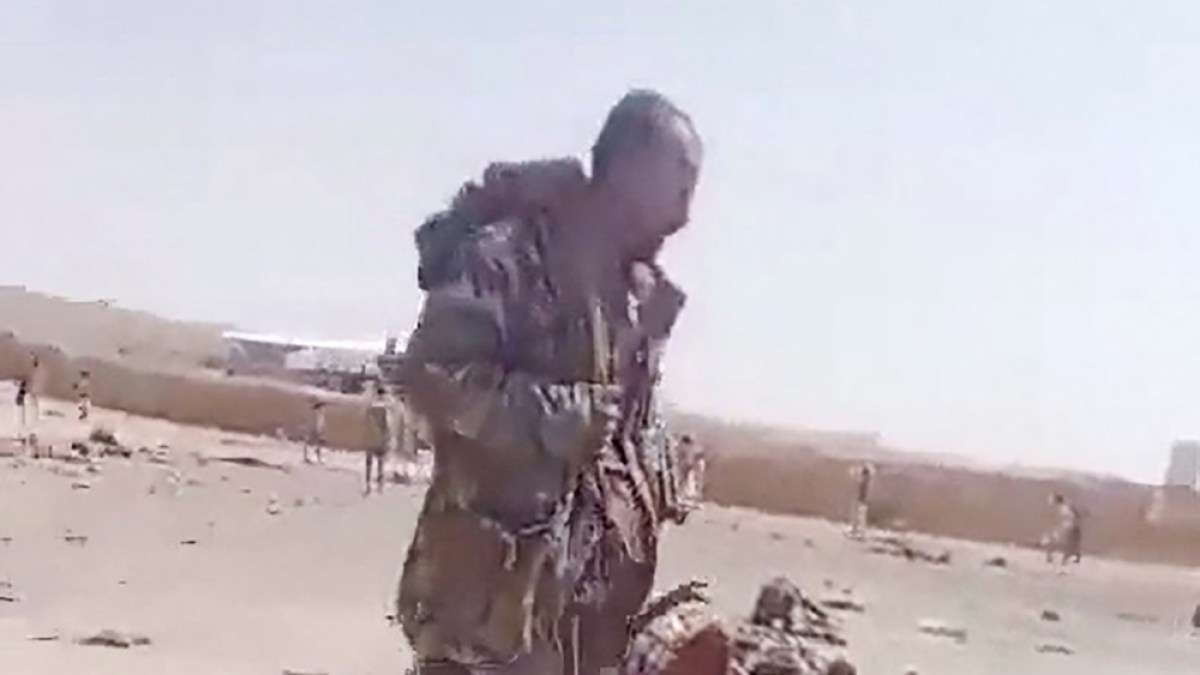
A ballistic missile strike launched by Ansar Allah forces, commonly known as the Houthis, targeted a military training installation in Yemen's southern Shabwa governorate, killing at least 18 government-aligned soldiers and injuring dozens more. According to spokespersons for the internationally recognized government, the attack struck a training compound during regular operational drills, inflicting heavy casualties and structural damage across the facility.
Shabwa remains one of Yemen's most strategically sensitive regions, serving as a geographic hinge between northern insurgent strongholds and the southern coastal governorates. The province holds significant crude oil reserves, pipeline links to export terminals on the Arabian Sea, and strategic roadways connecting Marib, Hadramout, and Aden. By targeting military installations within this corridor, Houthi forces are signaling an aggressive operational posture designed to break existing front-line equilibria and project power well beyond their core northern territories.
The strike comes amid fragile diplomatic maneuvers aimed at formalizing a durable nationwide truce. Despite prolonged de-escalation efforts brokered by regional intermediaries, sporadic cross-front hostilities continue to expose the fragility of backchannel understandings. The precision deployment of ballistic missile capabilities into Shabwa underlines the Houthis' persistent access to advanced guidance technology and heavy munitions, defying ongoing international interdiction operations.
Global Trade & Economic Ripples
While the direct target of the strike was military, its proximity to critical energy transmission infrastructure introduces fresh volatility to regional commodity logistics. Shabwa hosts the infrastructure linking interior oilfields to the Balhaf liquefied natural gas (LNG) export facility and coastal crude terminals. Persistent insecurity in the governorate threatens pipeline integrity, prevents foreign exploration consortia from resuming operations, and impedes the sovereign state's capacity to generate vital export revenue.
On the broader maritime front, persistent Houthi military leverage across southern and western Yemen compounds existing strains on Red Sea and Gulf of Aden transit routes. Commercial operators navigating the Bab el-Mandeb strait continue to factor elevated war-risk insurance premiums into cargo manifests, particularly for bulk wet and dry commodities originating from the Arabian Gulf. Any escalation that pushes ground combat closer to southern ports risks triggering broader logistics re-routing, driving up maritime freight rates, and sustaining inflationary pressure on global commercial supply chains.
Related Intelligence: French Unrest Triggers Supply Chain Jitters Amid European Economic Disruption
International Reactions & Diplomatic Stances
The attack drew swift condemnation from regional and international stakeholders. Officials from the Presidential Leadership Council (PLC) denounced the operation as a blatant violation of diplomatic norms and an intentional disruption of United Nations-led peace frameworks. Representatives underscored that targeting training bases deep in the southern governorates reveals an unwillingness on the part of the Houthis to engage in comprehensive political settlements.
Diplomatic envoys from Western nations and the United Nations Office of the Special Envoy of the Secretary-General for Yemen reiterated calls for maximum restraint, warning that offensive military actions threaten to undo progress achieved in bilateral negotiations. Regional powers, including Saudi Arabia and the United Arab Emirates, monitored the development closely, emphasizing their collective commitment to stabilizing sovereign Yemeni institutions and safeguarding energy transit infrastructure against asymmetric threats.
Strategic Outlook & Future Scenarios
The Shabwa strike establishes a precarious operational baseline for the coming quarter. Should Houthi units maintain offensive missile strikes against southern troop concentrations, government-aligned forces and southern defensive coalitions are likely to retaliate with coordinated counter-offensives across contiguous frontline zones, particularly around the hydrocarbon-rich Marib-Shabwa perimeter.
Furthermore, heightened kinetic activity may precipitate tighter maritime interdiction operations by multinational task forces patrolling the Arabian Sea to stem missile and drone component smuggling routes. Diplomatic initiatives face a narrowing window of viability, as renewed multi-front clashes diminish trust between negotiating parties. Market participants and logistics operators must anticipate persistent security frictions, sustained maritime insurance costs, and sporadic disruptions throughout southern Yemeni transport corridors in the near-to-medium term.
Join Our Official WhatsApp Channel
Receive live commodity alerts, policy changes, and commercial intelligence directly on WhatsApp.