
Hebron's Lockdown Accelerates Economic Stagnation and Humanitarian Crisis
Escalating security restrictions and checkpoints in Hebron have paralyzed local commerce, triggering severe humanitarian and economic repercussions across the West Bank.
Geopolitical & Core Developments
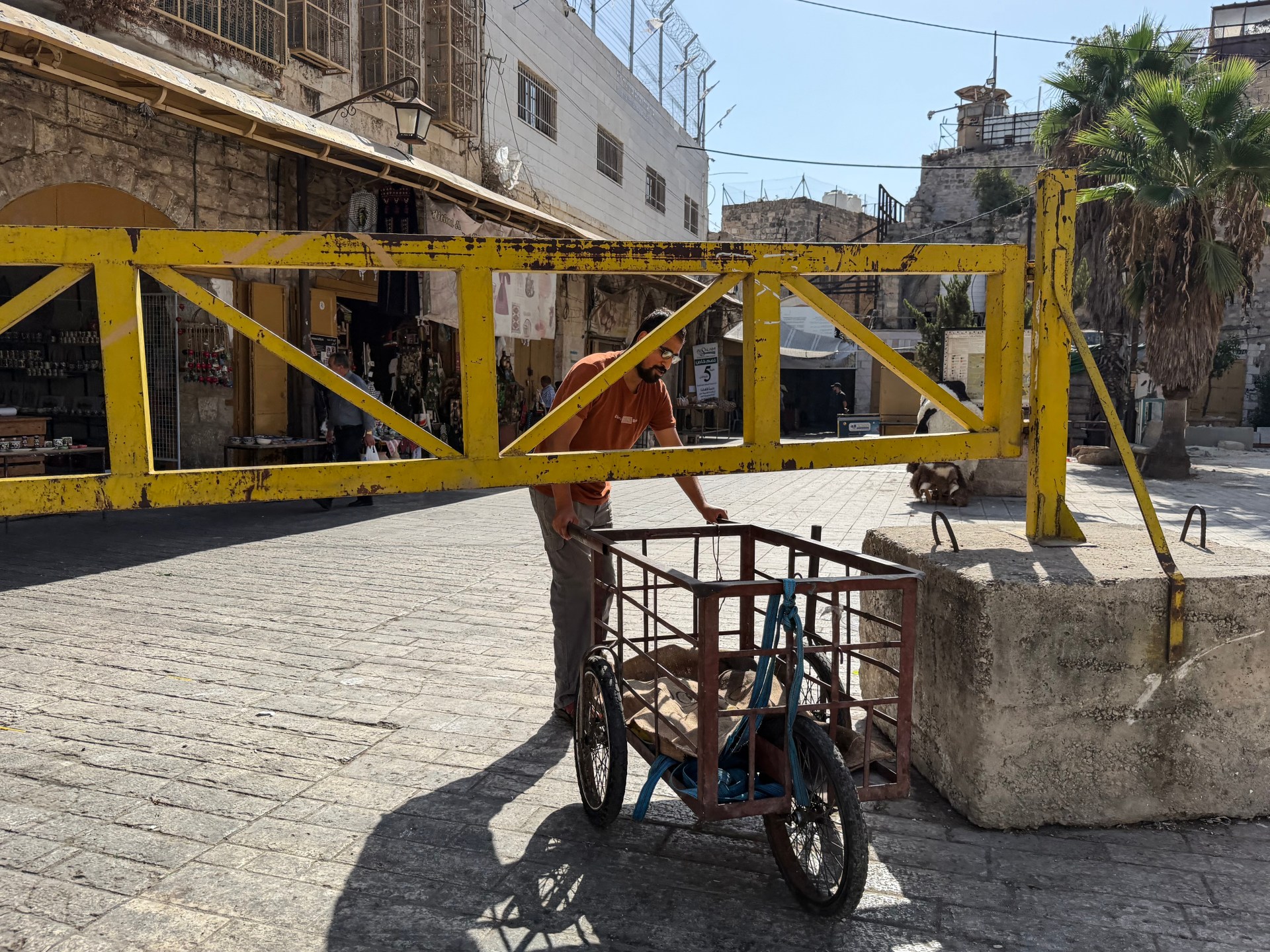
The historic city of Hebron in the occupied West Bank has increasingly become the epicenter of a profound humanitarian and socio-economic crisis, driven by a tightening matrix of Israeli military checkpoints, road closures, and movement restrictions. In the wake of heightened regional tensions, the imposition of stringent curfews and physical barriers has effectively partitioned the city, severing traditional residential quarters from commercial hubs. For the Palestinian population residing in the H2 sector—which remains under direct Israeli military control—daily life has devolved into an arduous logistical ordeal. Residents face systematic delays at checkpoints, severely restricted vehicular access, and sudden closures that disrupt medical emergencies, educational continuity, and basic familial cohesion. These operational measures, framed by authorities as vital security imperatives, have fundamentally altered the demographic and physical landscape of the city, transforming bustling commercial thoroughfares into heavily policed, isolated enclaves.
Global Trade & Economic Ripples
While localized in scope, the economic asphyxiation of Hebron carries broader implications for regional commerce and supply chain resilience within the Levant. Hebron has historically functioned as a primary manufacturing and mercantile powerhouse for the Palestinian territories, specializing in footwear, textiles, stone masonry, and agricultural goods. The systematic curtailment of commercial transport, coupled with unpredictable checkpoint operations, has inflated transit costs, delayed raw material imports, and crippled outbound export channels to regional and international markets. Local merchants face insurmountable overheads as supply chains fracture under the weight of prolonged border delays and security screening bottlenecks. Furthermore, this localized economic contraction suppresses purchasing power, depressing domestic demand and casting a pall over broader Palestinian financial stability, which remains deeply integrated with and dependent upon regional macroeconomic currents.
Related Intelligence: Nepalese Flash Floods Disrupt Regional Supply Chains and Hydropower Infrastructure
International Reactions & Diplomatic Stances
The deteriorating socio-economic conditions in Hebron have drawn sustained scrutiny and concern from multilateral organizations, human rights monitors, and the international diplomatic community. United Nations agencies have repeatedly flagged the disproportionate impact of sweeping movement restrictions on civilian livelihoods, emphasizing that prolonged closures contravene foundational tenets of international humanitarian law regarding the freedom of movement and access to basic services. Various foreign ministries have issued diplomatic demarches urging a recalibration of security protocols to balance strategic imperatives with fundamental human rights and economic viability. However, international diplomatic bandwidth remains heavily fractured, constrained by competing geopolitical priorities in the broader Middle East, leaving localized populations to navigate the compounding pressures of military administration and economic isolation with minimal structural recourse.
Strategic Outlook & Future Scenarios
Looking ahead, the trajectory of Hebron remains inextricably linked to the broader security paradigm of the occupied territories and the stability of regional governance frameworks. Without a concerted diplomatic initiative to ease commercial restrictions and restore normal transit corridors, the economic hollow-out of urban centers like Hebron threatens to become permanent, accelerating generational unemployment and deepening institutional dependency. Analysts warn that prolonged socio-economic strangulation serves as a persistent catalyst for broader civil unrest, complicating future diplomatic efforts toward sustainable regional integration and economic rehabilitation. As international bodies prepare for upcoming diplomatic summits addressing Middle Eastern stability, the structural plight of West Bank commercial hubs risks being sidelined by high-level geopolitical crises, ensuring that local populations remain trapped in a prolonged state of administrative and economic limbo.
Join Our Official WhatsApp Channel
Receive live commodity alerts, policy changes, and commercial intelligence directly on WhatsApp.