
Nepalese Flash Floods Disrupt Regional Supply Chains and Hydropower Infrastructure
Severe flash floods along Nepal's Budhi Gandaki River have destroyed vital infrastructure, exacerbating supply chain vulnerabilities and economic strain across South Asian trade corridors just two months after prior catastrophic monsoons.
Geopolitical & Core Developments
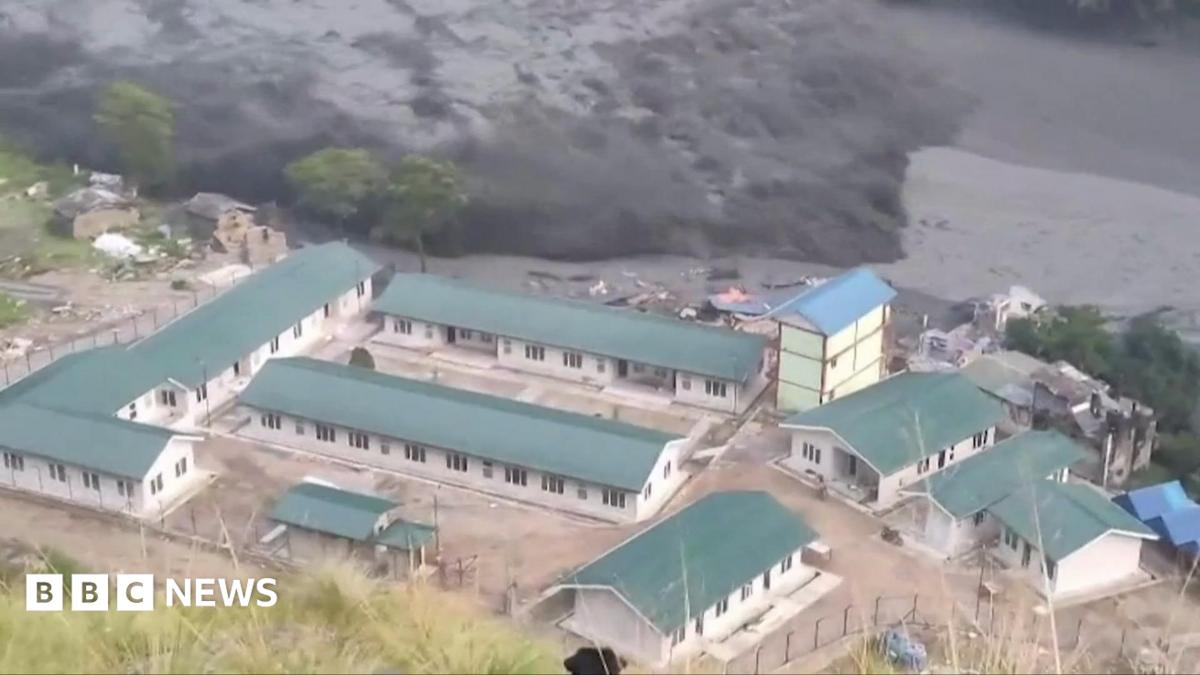
A sudden and destructive flash flood along the Budhi Gandaki River in central Nepal has swept away multiple residential buildings, commercial structures, and critical transportation bridges. This latest natural disaster strikes the Himalayan nation a mere two months after a series of catastrophic monsoon floods devastated large swathes of the country, leaving critical public infrastructure severely compromised. The recurrence of extreme hydrological events underscores the mounting vulnerability of South Asia's high-altitude river basins, which serve as crucial lifelines for regional connectivity. State disaster management authorities, alongside local emergency services, have mobilized rescue operations, though rescue efforts remain severely hampered by impassable terrain and ongoing adverse weather conditions. The progressive destabilization of riverbanks along key trade and transit arteries highlights the urgent need for structural resilience in mountainous developing economies facing acute climate volatility.
Global Trade & Economic Ripples
While Nepal's domestic economy primarily absorbs the immediate human and physical toll, the destruction of bridges and arterial routes along the Budhi Gandaki corridor introduces significant friction into regional supply chains and commercial transit. Central Nepal acts as a crucial transit nexus connecting vital northern and southern trade routes, and infrastructure paralysis directly impedes the domestic distribution of imported commodities, agricultural goods, and vital construction materials. Furthermore, repeated damage to energy-generating infrastructure poses severe implications for regional power trade, particularly concerning hydroelectric exports to neighboring India. International commodity markets and regional trade partners are closely monitoring the persistent disruption, as chronic infrastructure failures in the Himalayan watershed threaten to inflate logistics costs, delay cargo transit times, and exacerbate inflationary pressures on essential goods across the broader sub-continent.
Related Intelligence: Djibouti Shipwreck Exposes Migrant Crisis Risks Along Vital Red Sea Trade Corridor
International Reactions & Diplomatic Stances
In the wake of the disaster, multilateral organizations and regional governments have expressed deep concern over the escalating frequency of extreme weather events in South Asia. Representatives from the United Nations Office for the Coordination of Humanitarian Affairs have reiterated calls for enhanced international financing directed toward climate adaptation and resilient infrastructure in vulnerable developing nations. Economic analysts and emerging market risk assessors have highlighted the disproportionate macroeconomic burden that recurrent climate disasters place on sovereign balance sheets, warning that reconstruction costs will likely necessitate emergency fiscal adjustments and international development assistance. Neighboring trading partners have signaled readiness to provide humanitarian relief and engineering support, reflecting the shared geopolitical and economic imperative of maintaining stable transport corridors throughout the Himalayan region.
Strategic Outlook & Future Scenarios
Looking ahead, the recurring devastation along Nepal's major river systems signals a critical juncture for regional policymakers and international development banks. Future economic stability in the region will depend heavily on the rapid deployment of climate-resilient engineering standards for bridges, highways, and hydropower facilities. Upcoming multilateral climate summits and regional trade forums are expected to feature urgent debates concerning debt-for-climate swaps and dedicated infrastructure adaptation funds to shield vulnerable trade corridors from hydrological shocks. Without substantial capital investment and coordinated cross-border disaster risk mitigation, recurrent environmental crises will continue to erode supply chain reliability, threatening both local livelihoods and broader South Asian economic integration.
Join Our Official WhatsApp Channel
Receive live commodity alerts, policy changes, and commercial intelligence directly on WhatsApp.