
Fresh Nepal Floods Threaten Regional Stability and Supply Chains
Renewed catastrophic flooding across Nepal destroys critical infrastructure and trade routes, compounding the humanitarian crisis and threatening regional supply chain stability.
Geopolitical & Core Developments
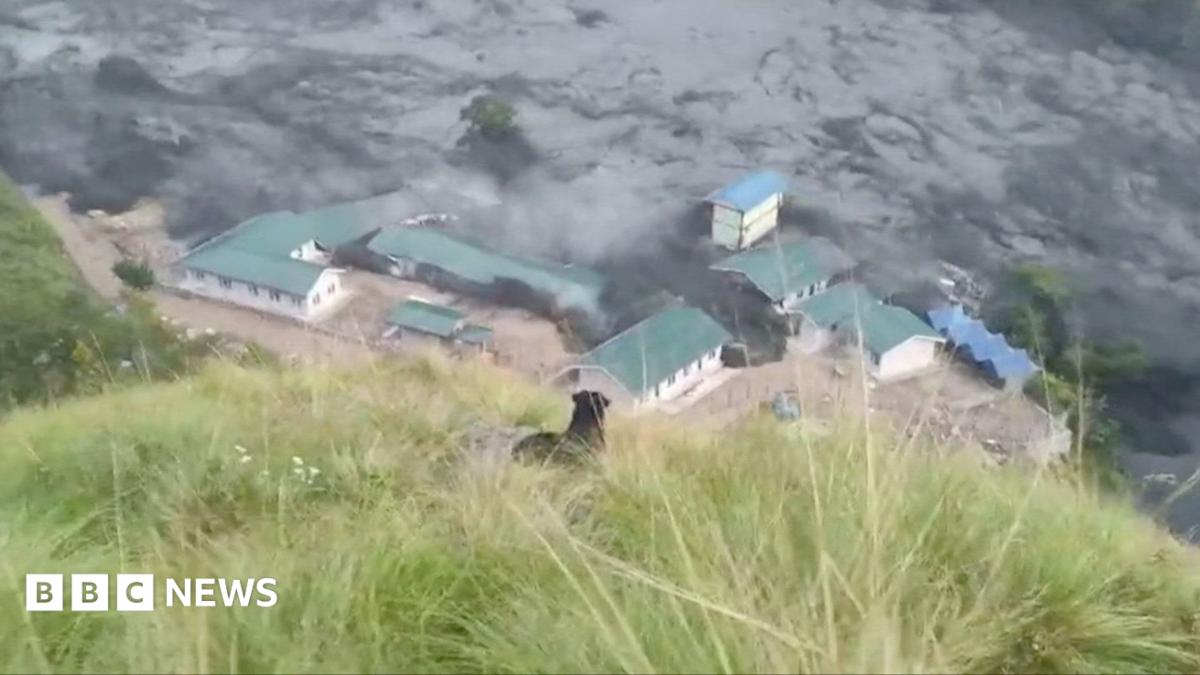
Nepal is grappling with a profound humanitarian and logistical crisis following a fresh wave of catastrophic floods and landslides that have swept away homes, bridges, and vital transport links. This disaster arrives barely two months after historic deluges left thousands dead or missing, exposing the severe vulnerabilities of Himalayan infrastructure to accelerated climate volatility. The destruction of arterial roadways, including segments of the strategic highways connecting South Asian land corridors, has effectively isolated multiple mountain districts. State disaster management agencies, operating under severe resource constraints, have deployed military units for search-and-rescue operations. However, persistent torrential rains, washed-out bridges, and blocked mountain passes continue to hamper ground access to the hardest-hit areas, raising fears of mounting casualties and prolonged isolation.
Global Trade & Economic Ripples
Beyond the immediate human toll, the recurring climate disasters in Nepal carry profound implications for regional commerce, agricultural output, and cross-border supply chains. Nepal serves as a crucial geographical and transit nexus linking regional markets. The destruction of rural infrastructure and agricultural heartlands threatens domestic food security and disrupts the export of key regional commodities, including tea, cardamom, and hydroelectric power generation. Several major hydropower projects have sustained structural damage, temporarily reducing energy output and threatening regional power-sharing agreements with neighboring nations. Furthermore, logistical bottlenecks along principal trade arteries are delaying industrial shipments, driving up transit costs, and exerting inflationary pressures on consumer goods across the broader Himalayan trade corridor.
Related Intelligence: Federal Government Imposes Emergency and Governor Rule in Khyber Pakhtunkhwa
International Reactions & Diplomatic Stances
In response to the escalating crisis, international organizations and foreign governments have expressed deep concern and begun mobilizing emergency relief packages. The United Nations Office for the Coordination of Humanitarian Affairs has initiated direct consultations with Kathmandu to assess urgent requirements for clean water, shelter, and medical supplies. Neighboring regional powers have offered immediate technical and logistical support, underscoring the geopolitical imperative of maintaining stability in the Himalayan buffer zone. Meanwhile, international financial institutions and market analysts are reviewing macroeconomic forecasts for South Asia, warning that escalating climate shocks necessitate immediate multilateral financing for climate-resilient infrastructure to prevent systemic economic disruption.
Strategic Outlook & Future Scenarios
As rescue operations transition into recovery phases, policymakers face mounting pressure to fundamentally overhaul national disaster preparedness frameworks and infrastructure investment strategies. The frequency and intensity of extreme weather events in the Hindu Kush Himalayan region underscore a critical vulnerability that transcends domestic policy, demanding coordinated regional diplomacy and robust climate adaptation funding. Upcoming international climate summits and regional trade forums will likely feature heightened scrutiny on climate resilience financing for landlocked developing nations. Failure to secure sustained multilateral investment in resilient transport networks and early-warning systems risks locking the region into a permanent cycle of humanitarian emergency and economic stagnation, with far-reaching consequences for South Asian stability.
Join Our Official WhatsApp Channel
Receive live commodity alerts, policy changes, and commercial intelligence directly on WhatsApp.