
Government Maintains T-Bill Yields Above Policy Rate Ahead of Monetary Review
In its final auction before the upcoming monetary policy decision, the government mobilized Rs 685.5 billion through treasury bills while keeping returns above the central bank policy benchmark.
The Core Development
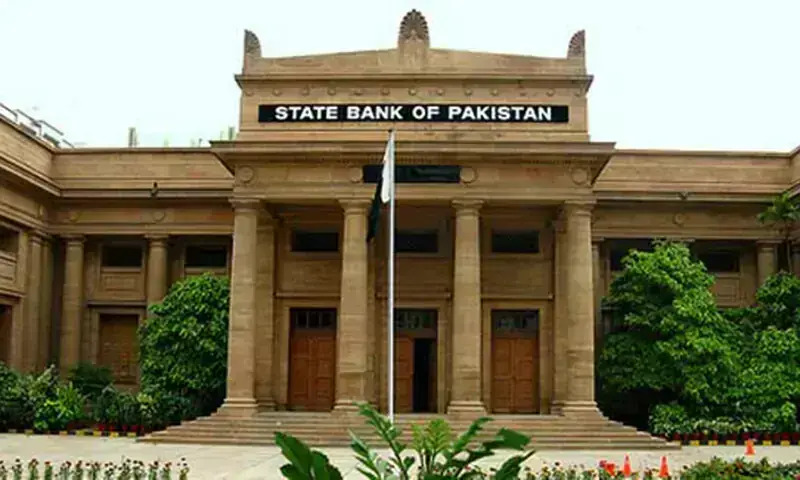
The federal government kept cut-off yields on Market Treasury Bills largely steady during Wednesday's primary auction in Karachi, sustaining debt returns above the State Bank of Pakistan (SBP) benchmark policy rate of 11.5 percent. This operation represented the final sovereign paper auction before the Monetary Policy Committee convenes on October 26 to determine policy settings.
Auction data revealed substantial appetite from institutional market participants. The central government mobilized Rs 417.6 billion through competitive bidding across three-, six-, and 12-month tenors. An additional Rs 267.9 billion was secured through non-competitive bids, taking gross sovereign debt mobilization to Rs 685.5 billion. Commercial banking institutions offered substantial liquidity, seeking safe havens for excess domestic funds amid ongoing fiscal deficit financing needs.
Commercial & Economic Implications
Persistent premiums on short-term sovereign paper exert structural pressure on the domestic credit ecosystem. With sovereign instruments offering low-risk yields above the central policy baseline, commercial banks face little incentive to expand private credit portfolios. For retail trade distributors, mid-tier manufacturers, and wholesale enterprises in commercial hubs like Karachi, Lahore, and Faisalabad, working capital financing remains both costly and constrained.
This allocation of banking liquidity directly affects domestic supply chains. Businesses are compelled to finance high-inventory costs and raw material procurement through internal accruals or expensive informal credit lines. Consequently, consumer goods manufacturers and distributors pass elevated capital costs downstream, reinforcing consumer price pressures even as aggregate demand moderates. The prevailing sovereign borrowing rates mirror structural liquidity tightness, limiting fiscal capacity for developmental initiatives.
Related Intelligence: Tunisia Faces Mounting Debt and Fiscal Strain Under President Kais Saied
Stakeholder Perspectives & Market Reactions
Money market operators noted that institutional risk aversion has intensified significantly. Financial sector analysts emphasized that commercial banks are deliberately prioritizing sovereign exposure over corporate lending portfolios due to prevailing domestic political uncertainty and broader geopolitical complications across the Gulf region. Domestic industrial bodies have repeatedly highlighted that prolonged crowding out has stymied real economic expansion, frustrating long-standing commercial expectations for domestic growth stimuli.
Business chambers note that while multilateral institutions such as the International Monetary Fund have targeted baseline domestic growth around 3.5 percent, industrial momentum requires affordable financing windows. Market participants view the government's acceptance of yields above the policy rate as an implicit admission that domestic institutional liquidity is seeking a higher risk premium given prevailing inflationary and fiscal pressures.
Forward Outlook & Key Watchpoints
The primary focus for financial institutions and the corporate sector centers on the upcoming Monetary Policy Committee announcement on October 26. Market analysts remain divided on whether the central bank will adjust its headline rate or maintain status quo to balance external account risks against domestic deceleration.
In the coming weeks, corporate treasuries and wholesale traders must monitor post-policy secondary market yield curves, federal borrowing targets for the subsequent quarter, and foreign exchange reserves. Should cut-off yields on short-term government debt persist above official lending rates, private sector credit uptake will likely stay depressed, reinforcing subdued commercial growth patterns heading into the next fiscal quarter.
Join Our Official WhatsApp Channel
Receive live commodity alerts, policy changes, and commercial intelligence directly on WhatsApp.