
Tunisia Faces Mounting Debt and Fiscal Strain Under President Kais Saied
Tunisia grapples with persistent inflation, heavy public debt, and stalling structural reforms, placing severe pressure on President Kais Saied's economic agenda and sovereign liquidity.
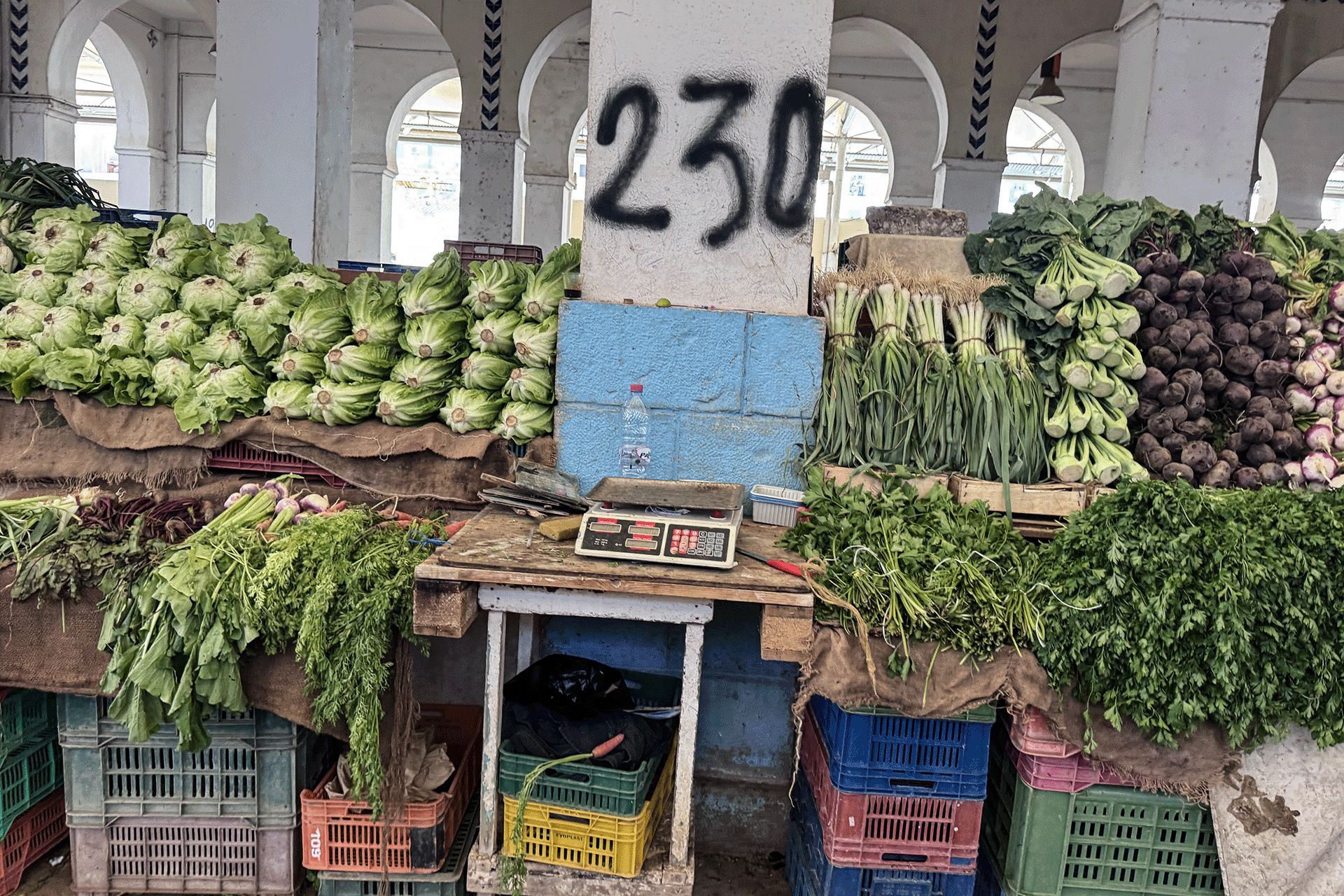
Geopolitical & Core Developments
Tunisia is contending with an intensifying economic crisis characterized by sovereign fiscal distress, entrenched inflation, and systemic unemployment, posing a major challenge to the administration of President Kais Saied. Since consolidating executive power in July 2021 and subsequently overhauling the nation's constitutional framework, Saied framed his leadership as a corrective force against institutional corruption and economic stagnation. However, macroeconomic indicators over his tenure reflect growing fiscal headwinds rather than structural recovery.
Public debt has climbed toward 80 percent of gross domestic product, driven by high public sector wage bills and substantial subsidy costs. Unemployment remains chronically high, particularly among educated youth, hovering near 16 percent nationally. Saied's administration has increasingly relied on internal central bank borrowing to finance fiscal deficits, a maneuver that market analysts warn threatens monetary stability. Diplomatic overtures have sought bilateral financial lifelines from regional neighbors, including Algeria and Gulf states, yet substantive capital inflows have remained insufficient to offset systemic deficits, creating persistent foreign exchange constraints for the North African nation.
Global Trade & Economic Ripples
The deepening fiscal strain in Tunis carries tangible consequences for Mediterranean trade networks and international commodity supply chains. Foreign exchange reserves have faced sporadic compression, constraining the state-run Grain Board's capacity to settle international tenders for soft wheat and durum. This has triggered recurrent domestic shortages of basic foodstuffs, amplifying localized supply chain friction and forcing international agricultural trading houses to reassess counterparty risk when dealing with Tunisian state entities.
Furthermore, Tunisia's sovereign credit ratings, positioned deep in non-investment grade territory by major agencies including Fitch and Moody's, have restricted its access to international capital markets. The country's energy import bill remains elevated, exacerbating trade balance deficits. While Tunisia is not a primary crude exporter, its fiscal instability complicates European Union energy diversification efforts in North Africa, particularly regarding regional pipeline transit stability and planned trans-Mediterranean electrical interconnections, such as the ELMED project.
International Reactions & Diplomatic Stances
Multilateral lenders and Western diplomatic partners have expressed sustained concern over the direction of Tunisian economic policy. Negotiations with the International Monetary Fund over a proposed 1.9 billion dollar extended fund facility reached an impasse after President Saied publicly rejected conditions tied to subsidy cuts and the restructuring of state-owned enterprises, describing such structural measures as unacceptable external diktats.
The European Union, Tunisia's largest trading partner, has maintained a pragmatic stance centered around migration management and macroeconomic assistance. In 2023, Brussels signed a memorandum of understanding with Tunis, allocating financial packages aimed at border control enforcement and targeted budgetary support. Nevertheless, disbursements have encountered friction over human rights conditionality and the pace of democratic processes. Financial institutions in Washington and European capitals continue to urge structural transparency, warning that bilateral assistance cannot substitute for a comprehensive macroeconomic stabilization program.
Strategic Outlook & Future Scenarios
Looking ahead, Tunisia's economic trajectory hinges on the government's ability to avert a balance-of-payments crisis without triggering civil unrest. The administration faces substantial external debt servicing requirements in the near term, demanding significant portions of available foreign currency liquidity. Without an anchor agreement with the IMF or substantial alternative concessional financing, the central bank may be forced to continue direct monetization of sovereign debt, raising the risk of accelerating domestic inflation.
Geopolitically, Tunis is likely to explore deeper engagements with non-traditional partners, including sovereign wealth funds in the Gulf and broader ties with the BRICS framework, though these avenues offer limited near-term balance-sheet relief. In the absence of decisive fiscal reforms, rising cost-of-living pressures and private sector stagnation will remain acute vulnerabilities, with direct implications for regional migration patterns across the central Mediterranean and North African political stability.
Join Our Official WhatsApp Channel
Receive live commodity alerts, policy changes, and commercial intelligence directly on WhatsApp.