
Global Physicians Urge World Medical Association to Suspend Israel Over Healthcare Crisis
Hundreds of international physicians demand the World Medical Association suspend Israel, citing the systematic destruction of Palestinian healthcare infrastructure.
Geopolitical & Core Developments
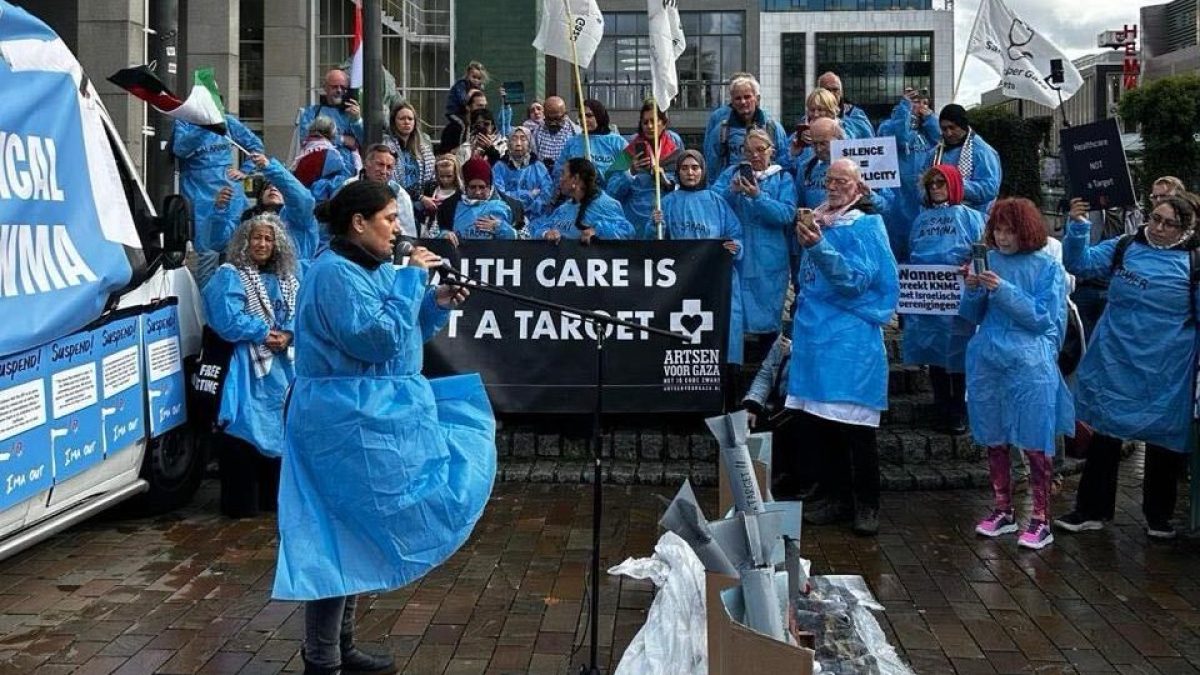
A coalition comprising hundreds of medical professionals from across the globe has formally petitioned the World Medical Association (WMA) demanding the immediate suspension of the Israeli Medical Association (IMA). The petition centers on allegations that the IMA has remained conspicuously silent while Palestinian healthcare systems in Gaza and the West Bank face systematic destruction. According to the signatories, hospitals, clinics, and medical personnel have been subjected to repeated military strikes, severe blockades on essential medical supplies, and infrastructural collapse, constituting a profound breach of international humanitarian law and medical neutrality.
The friction within the global medical community mirrors deeper diplomatic fractures at the United Nations and other multilateral fora. State actors aligned with Palestinian advocacy have amplified these medical appeals, framing the targeted degradation of healthcare facilities as a strategic instrument of modern conflict. Conversely, Israeli authorities and allied Western governments defend military operations within medical zones by alleging their exploitation by militant factions for command and control purposes. This fundamental divergence in narrative has paralyzed consensus within traditional diplomatic channels, forcing non-governmental professional associations into the frontline of international geopolitical contention.
Global Trade & Economic Ripples
While the WMA petition is primarily humanitarian and ethical in nature, the broader conflict underpinning this crisis continues to exert severe friction on global trade, logistics, and commodity markets. Persistent security threats across the Middle East have disrupted critical maritime trade routes, most notably through the Red Sea and the Bab el-Mandeb strait. Major container shipping lines and energy tanker operators are consistently forced to reroute vessels around the Cape of Good Hope, adding significant transit time, premium insurance costs, and carbon emissions to global supply chains.
Furthermore, heightened geopolitical volatility in the region directly influences international energy pricing and investor sentiment. Crude oil and liquefied natural gas (LNG) markets remain acutely sensitive to any escalation that could threaten regional production or transit chokepoints. While direct commodity embargoes have not materialized, the lingering instability dampens foreign direct investment across the broader Levant and Eastern Mediterranean corridors, compounding inflationary pressures for energy-importing economies in Europe and Asia.
Related Intelligence: Hurricane Isaias Disrupts US Eastern Seaboard and Energy Markets
International Reactions & Diplomatic Stances
The petition has generated profound polarization across international organizations and state governments. United Nations agencies have repeatedly raised alarms regarding the catastrophic state of medical infrastructure in Gaza, issuing urgent appeals for unfettered humanitarian access and the protection of healthcare workers under the Geneva Conventions. Human rights organizations have supported the physicians' call, arguing that professional medical associations hold a binding obligation to uphold universal ethical standards irrespective of national politics.
In contrast, representatives of the Israeli Medical Association and supporting diplomatic missions have strongly condemned the petition, characterizing it as a politically motivated attack that weaponizes medical diplomacy. Western governments have largely avoided taking formal positions on the internal governance of the WMA, though diplomatic pressure mounts as civil society organizations demand greater accountability regarding adherence to international humanitarian norms in active conflict zones.
Strategic Outlook & Future Scenarios
As the World Medical Association prepares for its upcoming general assembly, the motion to suspend the Israeli Medical Association threatens to create an unprecedented institutional schism. The debate is expected to set a contentious precedent for how professional global bodies handle allegations of complicity or silence during asymmetric state conflicts. A vote in favor of suspension would trigger severe diplomatic fallout, potentially isolating the IMA from international medical cooperation, whereas dismissing the petition could prompt mass resignations and boycotts by major national medical societies from the Global South and aligned European states.
In the broader geopolitical sphere, the trajectory of this dispute remains inextricably linked to ceasefire negotiations and the future governance of Palestinian territories. Should hostilities persist without a credible framework for rebuilding medical infrastructure, international pressure on professional associations, academic institutions, and corporate entities is projected to intensify, broadening the economic and diplomatic isolation faced by Israeli institutions on the global stage.
Join Our Official WhatsApp Channel
Receive live commodity alerts, policy changes, and commercial intelligence directly on WhatsApp.