
Eritrea Appeals to United Nations Amid Escalating Tensions with Ethiopia
Eritrea urges United Nations intervention amid escalating military tensions and mutual blame with Ethiopia, threatening regional stability and critical Red Sea trade routes.
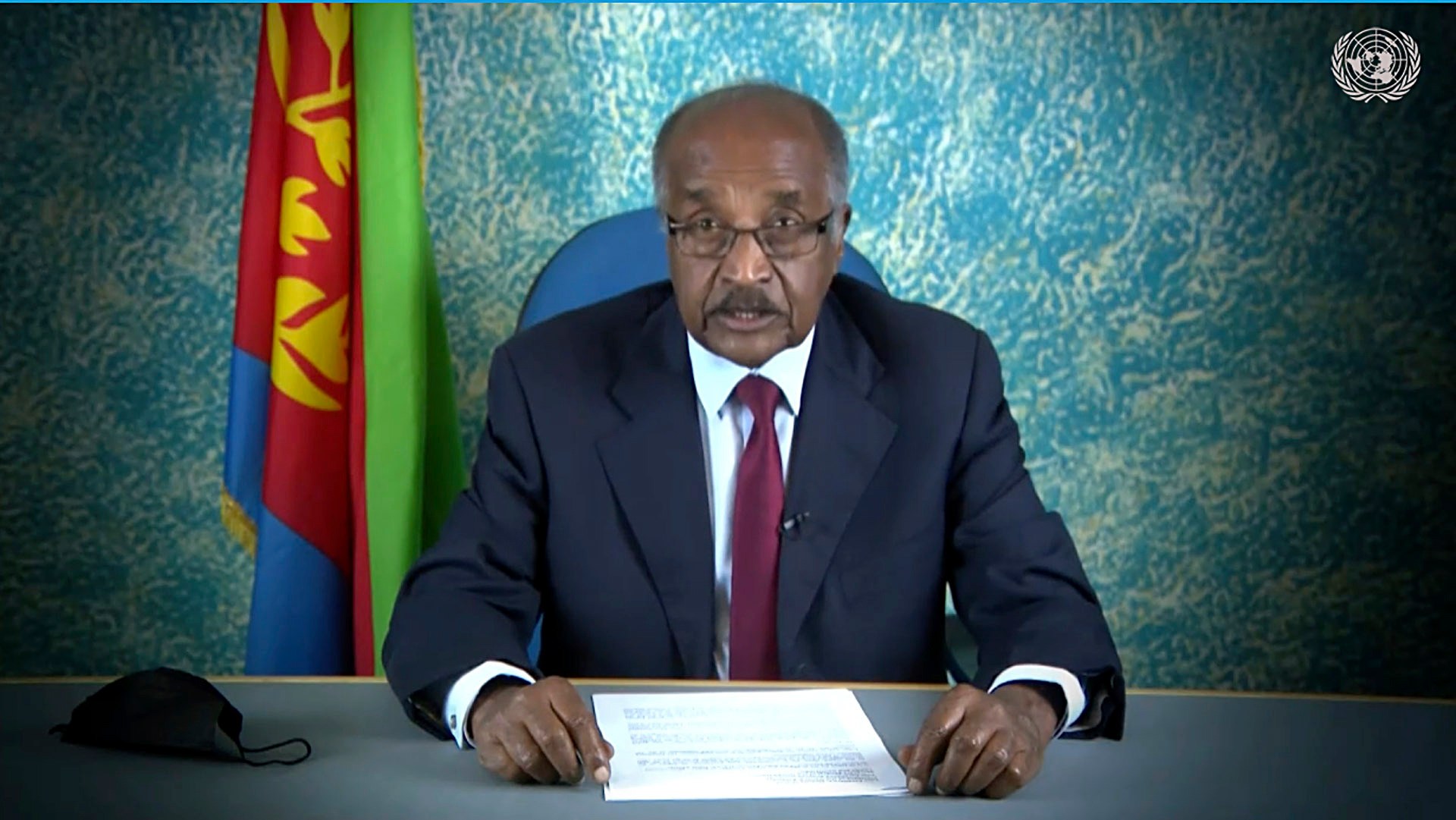
Geopolitical & Core Developments
The Horn of Africa has once again emerged as a critical flashpoint of international concern as Eritrea formally appeals to the United Nations Security Council to intervene in its rapidly deteriorating standoff with neighboring Ethiopia. The diplomatic crisis, marked by a complete breakdown in bilateral communication, stems from a resurgence of deep-seated historical grievances and competing territorial claims. Both Asmara and Addis Ababa have increasingly traded fiery accusations, each blaming the other for amassing troops along their contested border and actively instigating preparations for a renewed conventional war.
The fragile peace established following the 2018 rapprochement has entirely unraveled, overshadowed by Ethiopia's persistent quest for sovereign access to the Red Sea—a strategic ambition that has profoundly alarmed Eritrean leadership. Military analysts note significant mobilization patterns on both sides of the frontier, echoing the deployment phases preceding the devastating 1998-2000 border war. Diplomatic channels, once mediated by regional bodies such as the Intergovernmental Authority on Development, have stalled completely. Asmara's appeal to the UN represents a desperate bid to internationalize the crisis and establish external deterrents against potential military incursions, while Addis Ababa maintains that its strategic posture is purely defensive in nature.
Global Trade & Economic Ripples
Beyond the immediate humanitarian and security implications, the escalating Eritrea-Ethiopia standoff poses severe systemic risks to global supply chains, international maritime trade, and regional commodity markets. The contested border region sits adjacent to some of the world's most critical maritime choke points, including the Bab el-Mandeb strait and the southern approaches to the Suez Canal. Any sustained military escalation in the vicinity threatens to compound existing disruptions in Red Sea shipping lanes, forcing international carriers to adopt costly diversions around the Cape of Good Hope.
Furthermore, landlocked Ethiopia relies heavily on regional trade corridors for its import and export flows, including agricultural commodities, coffee, and vital industrial inputs. Prolonged hostilities would severely restrict logistical throughput, driving up transport premiums, insurance costs, and supply chain friction across East Africa. Global energy markets and dry bulk commodities originating from or transiting the wider East African theater could experience heightened price volatility. International commodity traders are closely monitoring the situation, factoring geopolitical risk premiums into regional agricultural and mineral valuations as currency values in the broader region face mounting downward pressure.
Related Intelligence: Hurricane Isaias Batters US Southeast, Disrupting Energy and Supply Chains
International Reactions & Diplomatic Stances
The international community has responded to the escalating crisis with profound alarm, urging immediate de-escalation and strict adherence to international law. United Nations officials have reiterated calls for maximum restraint, emphasizing that any military confrontation in the Horn of Africa would unleash catastrophic displacement and destabilize an already volatile macro-region. Western capitals, including Washington and Brussels, have engaged in behind-the-scenes diplomatic maneuvering, cautioning both governments against unilateral actions that could trigger a wider regional conflagration.
Multilateral bodies and neighboring states have expressed frustration over the rapid deterioration of diplomatic norms. Regional analysts warn that the absence of unified pressure from the African Union and the UN Security Council risks emboldening hardliners within both administrations. Market analysts note that international financial institutions are currently recalibrating sovereign risk assessments for Ethiopia, whose ongoing economic reforms and external debt restructuring efforts remain acutely vulnerable to domestic and regional security shocks.
Strategic Outlook & Future Scenarios
Looking ahead, the trajectory of the Eritrea-Ethiopia standoff hinges on the willingness of both state actors to step back from the brink of armed conflict. Upcoming diplomatic summits and emergency UN Security Council consultations will serve as critical litmus tests for international crisis management. If diplomatic overtures fail to establish a verifiable demilitarized zone or a credible monitoring mechanism, the probability of localized skirmishes escalating into full-scale interstate war will increase exponentially.
Sanctions and targeted diplomatic measures remain viable instruments for international bodies seeking to compel compliance, though their efficacy against isolated or entrenched regimes remains questionable. Ultimately, the geopolitical stability of the entire East African theater hangs in the balance. Investors, commodity traders, and multinational corporations operating within the region must prepare for heightened volatility, persistent logistical bottlenecks, and potential geopolitical black swan events as the standoff enters a more dangerous phase.
Join Our Official WhatsApp Channel
Receive live commodity alerts, policy changes, and commercial intelligence directly on WhatsApp.