
US Justice Department Scrutinizes Media Access Amid Pool Coverage Dispute
The US Justice Department is investigating television networks over pool coverage arrangements following executive branch restrictions on specific news outlets.
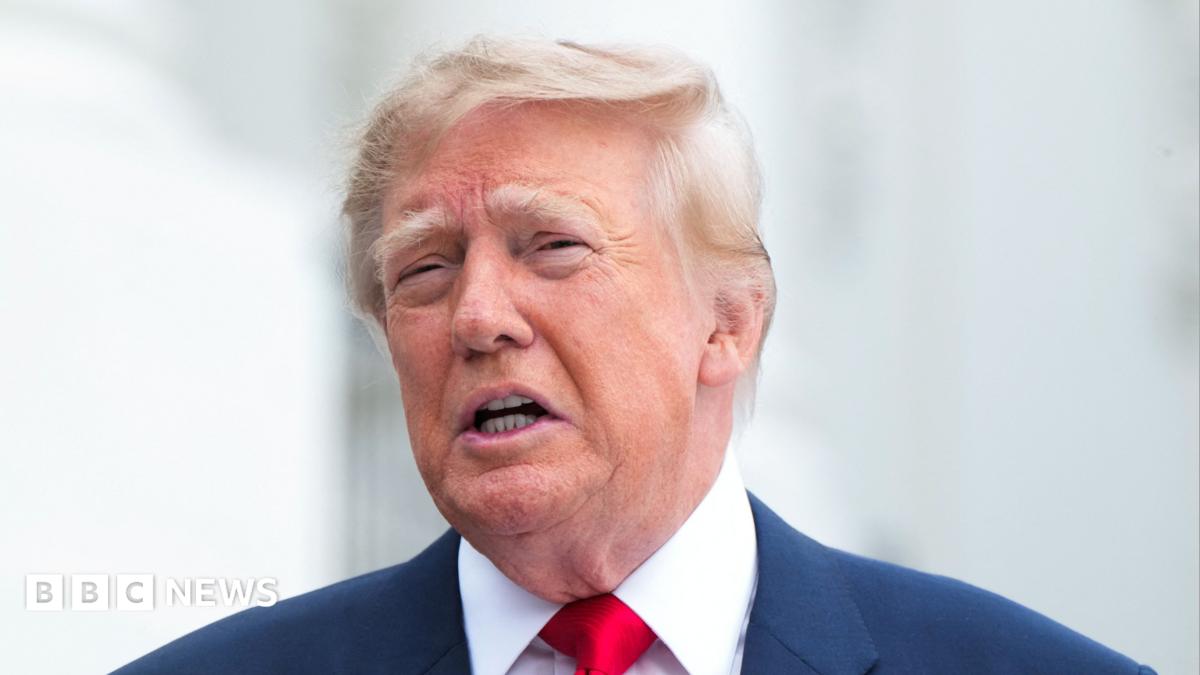
Geopolitical & Core Developments
The United States Department of Justice has initiated a formal inquiry into major television networks regarding their pool coverage agreements and reporting protocols. This regulatory and legal scrutiny stems from an escalating confrontation between the executive branch and several prominent news organizations, including CNN, MS Now, and Politico. The tension escalated after the White House moved to block direct access for these specific outlets during official events, prompting the affected organizations and their industry peers to reevaluate their participation in shared journalistic pools.
Pool coverage—a standard practice where a designated media outlet records or reports on behalf of the entire press corps—has long served as a cornerstone of transparent governance in Washington. However, the recent administrative exclusions disrupted these cooperative mechanisms. As networks debated whether to boycott or alter shared reporting structures to protest the restricted access, federal authorities stepped in to examine whether these coordinated industry responses potentially violated antitrust regulations or federal statutes governing media operations. The intersection of executive authority, constitutional press freedoms, and federal regulatory oversight has created a complex legal battleground with profound implications for democratic institutions.
Global Trade & Economic Ripples
While the dispute is primarily rooted in domestic politics and constitutional law, international media conglomerates and global investors are closely monitoring the regulatory fallout. In modern globalized economies, the stability of regulatory environments and the predictability of legal systems directly influence foreign direct investment and media stock valuations. Major international networks operating within the United States face heightened compliance risks as antitrust enforcers scrutinize standard industry cooperation agreements.
Furthermore, global commodity markets and international trade negotiations heavily rely on transparent, real-time reporting originating from Washington. Any disruption or perceived politicization of the primary news apparatus can introduce volatility into financial markets, particularly when policy decisions regarding international tariffs, sanctions, and monetary policy are communicated through contested media channels. International investors view the independence and stability of the American press corps as a key indicator of institutional health, making the Justice Department's intervention a matter of international commercial interest.
Related Intelligence: US Antitrust Probe Targets Network Coverage Halts Amid White House Dispute
International Reactions & Diplomatic Stances
Global press freedom organizations, international human rights bodies, and foreign diplomatic missions have expressed growing concern over the escalating friction between the US government and the domestic press. European allies and multilateral institutions, which frequently model their own transparency standards on American democratic traditions, are monitoring the Justice Department's probe for signs of executive overreach. Independent media watchdogs worldwide have warned that utilizing antitrust or federal investigations to pressure media cooperatives establishes a troubling precedent that could be mirrored by authoritarian regimes globally.
Market analysts and legal scholars have similarly criticized the timing and jurisdiction of the federal inquiry, arguing that voluntary media pool arrangements are protected under long-standing First Amendment principles rather than falling under commercial antitrust purview. International legal experts suggest that if foreign governments perceive the US administration as weaponizing regulatory agencies against the press, American diplomatic efforts to champion global freedom of information will face severe credibility challenges.
Strategic Outlook & Future Scenarios
As the Department of Justice deepens its investigation, the legal and political landscape remains fraught with uncertainty. Upcoming judicial hearings and congressional oversight committee sessions are expected to address the legality of both the initial White House access restrictions and the subsequent federal probe into the networks. If the courts determine that the executive branch infringed upon constitutional protections, the administration could face severe legal setbacks.
Conversely, if federal investigators pursue antitrust actions against the networks, it could permanently alter how American media outlets coordinate shared coverage for major domestic and international events. For global observers and commercial entities relying on an unhindered flow of information from the United States, the resolution of this conflict will serve as a critical benchmark for the resilience of American democratic institutions and the rule of law in the coming years.
Join Our Official WhatsApp Channel
Receive live commodity alerts, policy changes, and commercial intelligence directly on WhatsApp.