
German State Elections Test Coalition Stability Amid Rising Right-Wing Populism
Voters in Berlin and Mecklenburg-Western Pomerania head to regional polls, testing Germany's ruling federal coalition amid rising right-wing populist sentiment and heightened scrutiny over Europe's premier industrial and economic trajectory.
Geopolitical & Core Developments
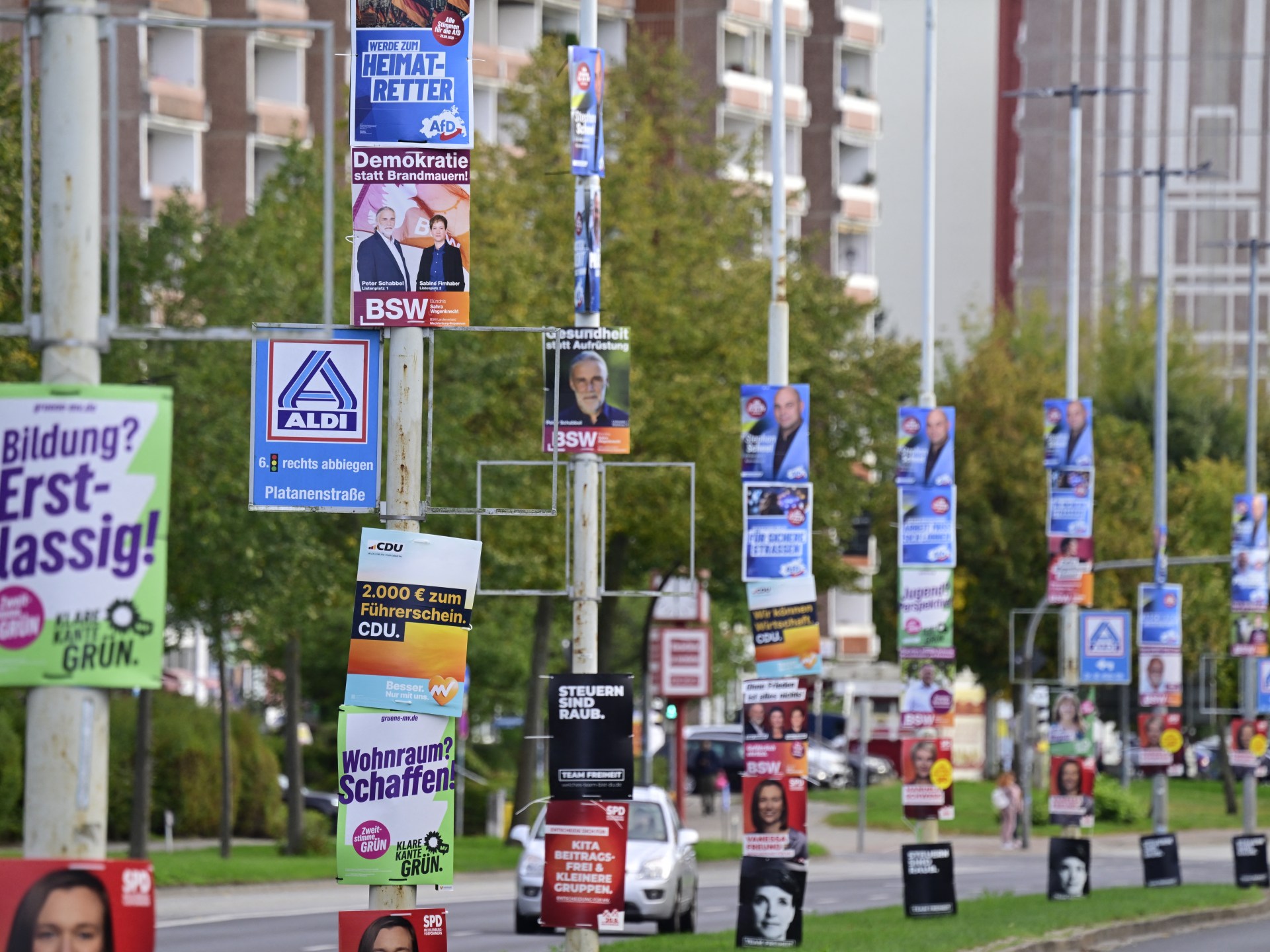
About 3.8 million eligible voters across the federal capital of Berlin and the northeastern state of Mecklenburg-Western Pomerania headed to the ballot box on Sunday. These regional contests unfold against a tense macroeconomic backdrop defined by persistent domestic industrial stagnation, high structural energy costs, and deepening public friction regarding migration and internal security policy.
The elections serve as a critical political barometer for Chancellor Olaf Scholz's federal administration, where fragile coalition compromises between the Social Democrats (SPD), the Greens, and the Free Democrats (FDP) face mounting voter skepticism. Polling leading into the vote indicated that the right-wing Alternative for Germany (AfD) continues to capitalize on regional socio-economic grievances, rural-urban disparities, and general voter fatigue with mainstream political institutions. In eastern territories such as Mecklenburg-Western Pomerania, traditional centrist parties have struggled to retain working-class constituencies burdened by the cost of living and shifting economic realities. In Berlin, persistent administrative friction and housing affordability remain prominent flashpoints. The strategic stakes extend far beyond state boundaries; the composition of regional legislatures directly shapes the balance of power within the Bundesrat, the upper chamber of the federal parliament, through which critical national legislation must pass.
Global Trade & Economic Ripples
As Europe's preeminent manufacturing engine, political volatility within Germany generates immediate ripples across global supply chains, capital allocations, and industrial commodity markets. Heightened electoral fragmentation and the polarization of state legislatures introduce regulatory unpredictability for multinational enterprises operating within Germany's automotive, chemical, and heavy manufacturing corridors. The country is already navigating elevated operational costs following the structural cessation of cheap pipeline gas deliveries from the East, forcing corporate realignments across energy-intensive sectors.
Prominent industry bodies, including the Federation of German Industries (BDI), have warned that nativist political gains undermine Germany's appeal to skilled foreign labor, which is essential for bridging severe demographic deficits. Furthermore, regional instability complicates infrastructure development, including Baltic offshore wind projects, green hydrogen import terminals, and grid expansions intended to stabilize industrial power supplies. In currency and debt markets, institutional investors continue to monitor German sovereign yields and the euro, assessing whether protracted legislative deadlocks will hinder Europe's ability to finance broader industrial revitalization programs.
Related Intelligence: India Education Deficit Exposes Human Capital Risks Amid Supply Chain Push
International Reactions & Diplomatic Stances
European partners are monitoring the voting patterns with acute strategic concern. Officials in Brussels and Paris acknowledge that an internally divided and politically constrained Berlin weakens Franco-German consensus-building at a critical juncture for European trade, defense autonomy, and competitiveness policies. European Union authorities depend on German legislative alignment to advance complex regulatory packages concerning fiscal discipline and strategic autonomy against global competitors.
While multilateral bodies and foreign governments strictly observe diplomatic neutrality during domestic democratic processes, international financial analysts and rating agencies have highlighted potential risks. Market observers note that while Germany's sovereign credit foundation remains exceptionally robust, sustained regional gains by anti-establishment parties could restrict Berlin's capacity to approve shared European investment instruments or maintain decisive foreign policy stances. Neighboring Central and Eastern European nations are paying close attention to state dynamics, given Berlin's pivotal role in cross-border energy distribution and security coordination.
Strategic Outlook & Future Scenarios
The immediate aftermath of the elections is expected to trigger complex, prolonged coalition negotiations. Traditional political parties maintain a strict policy firewall against governing with the far right, which increasingly forces ideological rivals into unwieldy, multi-party governing pacts. These complex alliances frequently lead to governance gridlock, slowing administrative execution at the state level and diluting strategic focus.
Looking ahead, persistent domestic polarization will likely intensify friction within the federal cabinet as parties jockey for survival ahead of subsequent state and federal elections. Germany's leverage across key international summits—including high-level European Council discussions on defense bonds, decarbonization targets, and transatlantic commercial policy—risks being undermined by domestic political vulnerability. Should regional political fragmentation become entrenched, Berlin's ability to project stable economic leadership and maintain cohesive European policies will face enduring headwinds through the coming fiscal cycles.
Join Our Official WhatsApp Channel
Receive live commodity alerts, policy changes, and commercial intelligence directly on WhatsApp.