
Trump Proposes Dedicated AI Force and Federal Czar to Accelerate Strategic Dominance
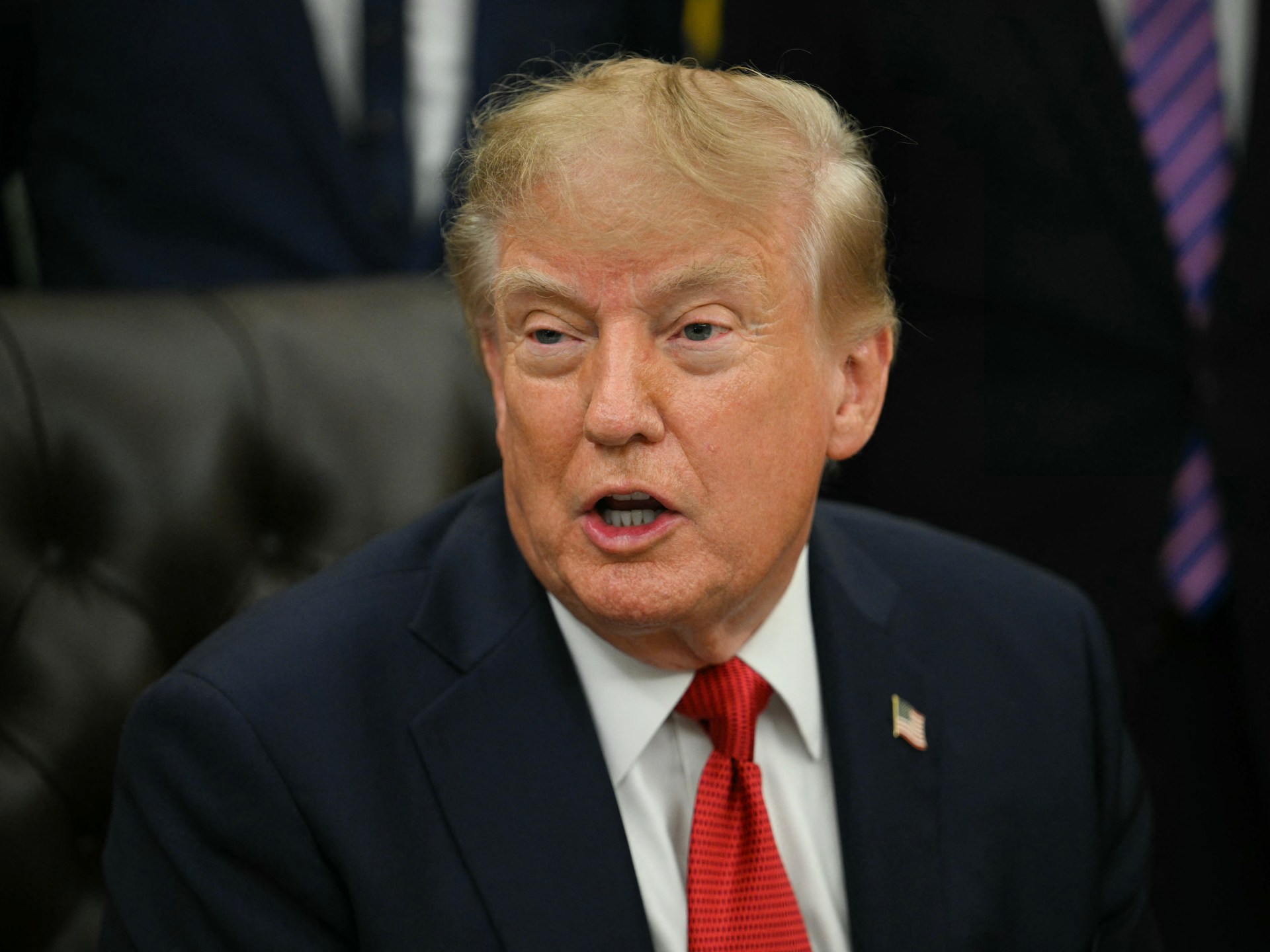
Donald Trump announced proposals to establish an American AI Force and an executive AI czar, signaling an aggressive push toward institutionalizing computational superiority within national defense and global geopolitical competition.
Geopolitical & Core Developments
The announcement by former US President Donald Trump outlining intentions to establish a specialized AI Force alongside a high-level executive AI czar marks a decisive elevation of algorithmic capabilities into core national security doctrine. Against the backdrop of escalating technological rivalry between Washington and Beijing, the initiative proposes consolidating disparate computational programs across military branches and intelligence agencies under unified executive oversight. The strategic stakes hinge on retaining absolute parity and eventual dominance over autonomous combat systems, predictive intelligence modeling, and sovereign cyber-defense architectures.
This institutional reorientation surfaces at a critical domestic and international inflection point. Populations and civil liberties groups across the United States have voiced rising alarm over the unregulated proliferation of generative artificial intelligence, algorithmic surveillance, and mass labor displacement. Concurrently, the strategic landscape in the Indo-Pacific has accelerated state-backed capital allocation into militarized compute infrastructure. By positioning an AI Force analogous to the Space Force established during his administration, the proposal signals an era where computational capacity and algorithmic readiness are treated as decisive levers of statecraft, deterrence, and geopolitical leverage.
Global Trade & Economic Ripples
The commercial and trade ramifications of elevating artificial intelligence to an explicit military discipline extend far beyond domestic technology hubs. Sustaining dedicated defense-grade AI infrastructures requires vast computing clusters, heavily dependent on the high-end semiconductor supply chain spanning the United States, Taiwan, South Korea, and the Netherlands. Intensified federal procurement will inevitably tighten export curbs on advanced graphics processing units and extreme ultraviolet lithography equipment, accelerating the fragmentation of international technology trade.
Concurrently, the physical footprint of national AI expansion is altering energy and raw material markets. Modern data center clusters demand gigawatts of continuous, uninterruptible baseload power, driving surging capital expenditure into natural gas infrastructure, advanced nuclear power, and grid modernization. Commodity markets face compounding pressures as sovereign compute clusters consume unprecedented volumes of copper, cooling components, and rare earth elements. Furthermore, trade lanes connecting critical mineral extraction hubs in Africa and Latin America to processing facilities face increasing geopolitical scrutiny as supply chain security becomes directly coupled with defense capability.
Related Intelligence: Pakistan Confronts Afghan Regime Over Kohat Terror Surge and Trade Disruption
International Reactions & Diplomatic Stances
The proposal has drawn sharp, divergent assessments across international capitals and multilateral institutions. In Brussels, policymakers operating under the framework of the European Union AI Act expressed concern that aggressive militarization and potential regulatory rollbacks in the United States could undermine global efforts toward ethical guardrails and standardized safety protocols. Multilateral bodies, including representatives at the United Nations pursuing international digital governance, have consistently cautioned against unfettered autonomous weapons systems operating without human oversight.
In contrast, Indo-Pacific allies such as Japan, South Korea, and Australia view the development through the prism of deterrence, likely seeking bilateral data-sharing frameworks and joint defense-tech integration under expanded security pacts. In Beijing, state-affiliated defense analysts characterized the rhetoric as an overt escalation of technological containment strategies, reaffirming China's commitment to industrial self-reliance under its own national strategic plans for civil-military algorithmic modernization.
Strategic Outlook & Future Scenarios
Looking forward, the institutionalization of an AI Force and an executive czar will likely catalyze a renewed technological and industrial arms race. The immediate trajectory points toward tighter cross-border capital restrictions, aggressive outbound investment screening by the Committee on Foreign Investment in the United States, and targeted secondary sanctions against foreign entities acquiring dual-use computing components.
Upcoming diplomatic engagements, including G7 ministerial meetings and bilateral security dialogues, will encounter starker divisions over export regimes and autonomous weapon moratoriums. Should this doctrine materialize, global markets must prepare for an accelerated bifurcated technological architecture, wherein sovereign computational power defines not only economic competitiveness, but the geopolitical hierarchy of the coming decades.
Join Our Official WhatsApp Channel
Receive live commodity alerts, policy changes, and commercial intelligence directly on WhatsApp.