
German and Russian Foreign Ministers Clash in Rare High-Level Talks
German and Russian top diplomats clashed in rare direct talks as Moscow dismissed Berlin's warnings over escalating European tensions.
Geopolitical & Core Developments
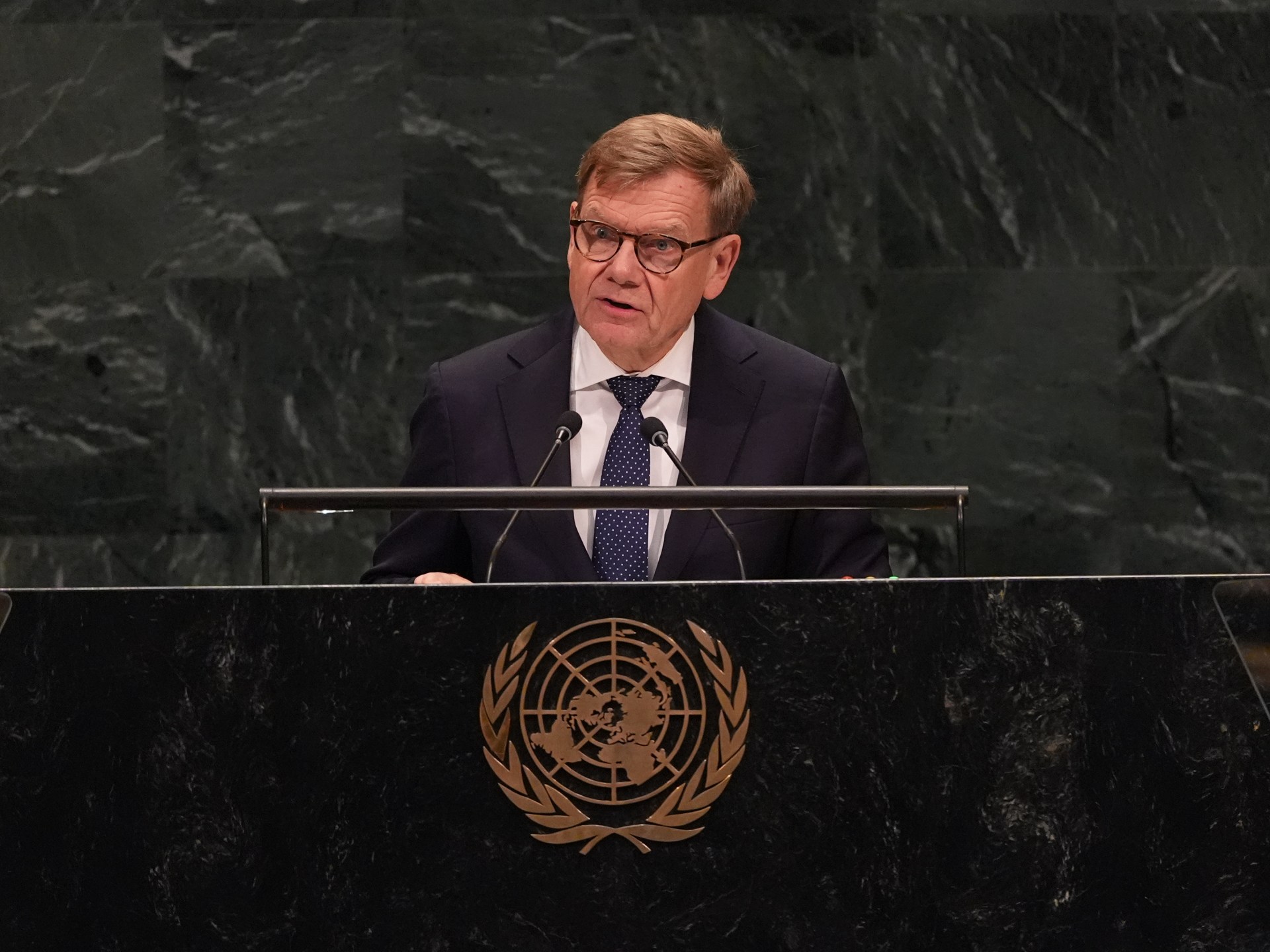
In a rare and high-stakes diplomatic encounter, senior German and Russian diplomatic representatives engaged in direct discussions against a backdrop of escalating geopolitical friction across the European continent. The talks, which brought long-standing antagonisms to the forefront, centered on mounting security dilemmas, regional military postures, and the erosion of post-Cold War arms control frameworks. During the exchange, German officials, led by prominent legislative and diplomatic voices such as Johann Wadephul, formally urged Moscow to abandon what Berlin characterized as a perilous path of military and political escalation directed at European neighbors.
However, Russian Foreign Minister Sergei Lavrov summarily dismissed these warnings, signaling no intent by the Kremlin to alter its strategic trajectory. Moscow maintained that its actions are a necessary countermeasure to expanding Western security footprints, specifically pointing to NATO infrastructure growth near its borders. This uncompromising stance underscores a severe contraction of diplomatic space between the Russian Federation and Western European powers, leaving bilateral communication channels severely compromised and elevating the baseline risk of unintended military miscalculation along the European frontier.
Global Trade & Economic Ripples
While the direct confrontation unfolded within a diplomatic framework, its immediate shockwaves reverberated across global commodity markets, energy networks, and international trade corridors. European energy futures experienced jittery trading sessions as traders reassessed risk premiums associated with the continent's fragile supply chains. Although direct pipeline gas flows from Russia to Western Europe have drastically dwindled since the onset of the Ukraine conflict, peripheral energy markets, liquefied natural gas (LNG) logistics, and trans-continental shipping routes remain acutely sensitive to any deterioration in political stability between Berlin and Moscow.
Furthermore, the persistent breakdown in diplomatic relations fuels broader economic uncertainty, weighing heavily on investor confidence across the Eurozone. Industrial inputs, vital metals, and agricultural commodities originating from or transiting through the broader Eurasian landmass face heightened regulatory scrutiny, potential insurance rate spikes, and rerouting pressures. Financial markets responded with cautious currency adjustments, as the euro faced downward pressure against safe-haven assets amid fears that protracted geopolitical antagonism could trigger secondary sanctions and further disrupt global supply chains.
Related Intelligence: South Africa Murders Spark National Outcry and Economic Concerns
International Reactions & Diplomatic Stances
International bodies and allied capitals have monitored the exchange with mounting apprehension. Officials in Brussels and Washington reiterated their steadfast support for Berlin's diplomatic positioning, emphasizing that European security architecture remains non-negotiable. Multilateral organizations, including the United Nations, issued renewed calls for de-escalation, urging both sides to reactivate dormant diplomatic channels to prevent further polarization of the international community.
Market analysts and geopolitical risk consultancies have expressed alarm over the hardening of positions between the major European powers and Moscow. According to consensus assessments from leading trade monitors, the failure of high-level dialogue to produce even incremental concessions points to a prolonged period of economic fragmentation. Financial institutions are rapidly revising their risk models to account for sustained geopolitical friction, advising industrial clients to diversify sourcing away from high-risk corridors and hedge against potential supply disruptions.
Strategic Outlook & Future Scenarios
Looking ahead, the trajectory of German-Russian relations points toward sustained hostility rather than reconciliation. Upcoming international summits and diplomatic forums are expected to feature intense debates over the enforcement and expansion of economic sanctions targeting key Russian industrial sectors. As diplomatic off-ramps disappear, both sides are pivoting toward long-term strategic competition, with defense modernization and economic decoupling emerging as primary policy drivers across European capitals.
For global traders and multinational corporations, the immediate future demands rigorous contingency planning. The persistent threat of sudden retaliatory measures, potential cyber incursions against critical infrastructure, and further trade restrictions necessitates agile supply chain management. Kalyar Traders World Desk will continue to monitor these developments closely, providing vital updates as global markets navigate this perilous geopolitical landscape.
Join Our Official WhatsApp Channel
Receive live commodity alerts, policy changes, and commercial intelligence directly on WhatsApp.