
Ethiopian Military Promises Restraint as Regional Tensions Surge
Ethiopia pledges military restraint amid escalating geopolitical friction with Eritrea, raising grave concerns over a potential civil conflict that threatens Horn of Africa stability and international trade routes.
Geopolitical & Core Developments
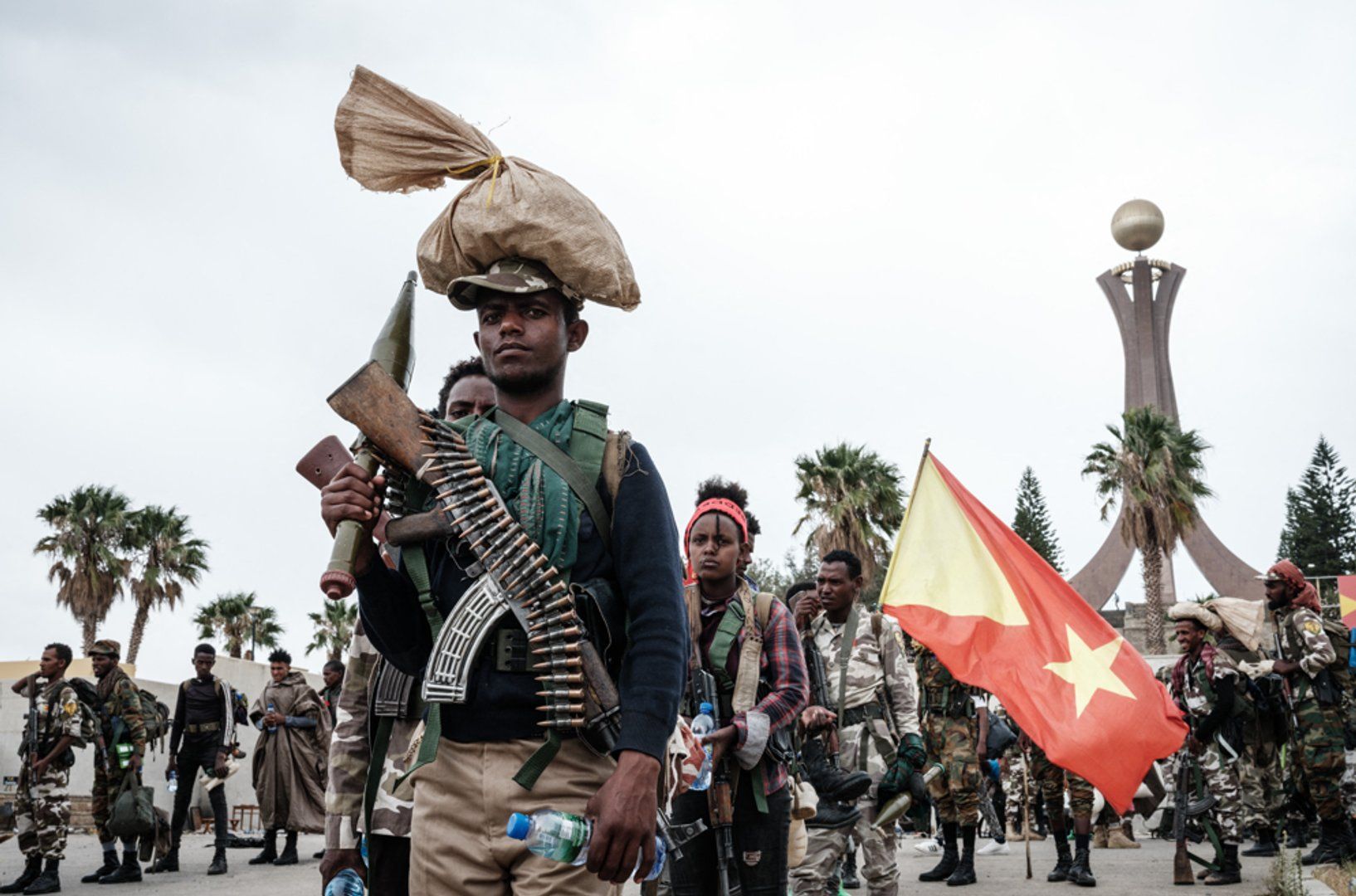
Tensions in the volatile Horn of Africa have reached a critical juncture following direct accusations from Ethiopia's military leadership against neighboring Eritrea. The Chief of Staff of the Ethiopian National Defense Force publicly accused Asmara of actively funding, arming, and supporting proxy militant groups designed to systematically undermine federal authority and weaken state integrity. This rhetorical escalation shatters the fragile peace that has persisted since the formal conclusion of the devastating Tigray conflict, injecting profound geopolitical anxiety into a region historically plagued by interstate rivalries and internal fragmentation.
Despite the inflammatory allegations and severe security pressures, the Ethiopian military leadership has formally committed to exercising strategic restraint to avert a catastrophic multi-front civil war. Analysts note that Addis Ababa faces a complex security dilemma: responding aggressively to external provocations risks igniting a wider regional conflagration, while failing to secure its borders could encourage further subversion. The diplomatic architecture constructed under the Pretoria Agreement is now facing its most severe stress test, as historical grievances, territorial disputes, and competing regional ambitions threaten to unravel years of painstaking international mediation.
Global Trade & Economic Ripples
The specter of renewed large-scale conflict in Ethiopia carries immediate and severe economic repercussions for global commerce, particularly concerning supply chains and commodity flows. Ethiopia serves as a critical anchor economy in East Africa, and any prolonged internal instability directly threatens vital trade infrastructure. Transport corridors linking landlocked Ethiopia to major Red Sea ports, particularly Djibouti, remain acutely vulnerable to security spillovers. Any disruption to these logistics arteries threatens to bottleneck regional exports of critical agricultural commodities, including coffee and oilseeds, driving up international spot prices.
Furthermore, heightened security risks in the wider Red Sea and Horn of Africa corridor intersect dangerously with ongoing maritime security crises in the Middle East. Global energy markets and shipping conglomerates are closely monitoring the situation, as any expansion of domestic Ethiopian conflict into a regional proxy war could drive up maritime insurance premiums, delay vessel transits through the Bab-el-Mandeb strait, and inflate freight rates across major Asia-Europe trade lanes. Investor confidence in East African infrastructure projects, debt restructuring initiatives, and foreign direct investment is already experiencing a pronounced cooling effect.
Related Intelligence: Trump Rejects Tehran Strait of Hormuz Proposal Escalating Middle East Crisis
International Reactions & Diplomatic Stances
The international community has responded to the escalating rhetoric with profound alarm, urging immediate de-escalation and strict adherence to international law. United Nations officials have issued urgent appeals to both Addis Ababa and Asmara to open direct channels of communication, warning that a resumption of hostilities would precipitate a humanitarian catastrophe on top of existing regional displacement crises. Western capitals, including Washington and Brussels, have underscored the imperative of preserving territorial integrity and regional stability, reminding regional actors of the severe economic and diplomatic isolation that accompanies renewed warfare.
Multilateral bodies such as the Intergovernmental Authority on Development are scrambling to convene emergency diplomatic consultations. Economic analysts and emerging market rating agencies have begun adjusting risk assessments for the wider East African region, factoring in the rising probability of sovereign debt complications, currency depreciation, and disrupted fiscal planning should the diplomatic standoff deteriorate into kinetic conflict.
Strategic Outlook & Future Scenarios
Looking ahead, the trajectory of the Ethiopia-Eritrea dynamic will hinge heavily on the efficacy of behind-the-scenes diplomacy and the restraint demonstrated by military commanders on both sides of the border. Upcoming regional summits organized by the African Union will serve as vital testing grounds for whether multilateral pressure can successfully defuse the current standoff. Observers are monitoring potential escalation triggers, including proxy clashes in border zones and retaliatory economic measures.
Should diplomatic interventions fail, targeted international sanctions and heightened diplomatic censure remain distinct possibilities, further constraining economic development in the affected nations. For global corporations and commodity traders, maintaining flexible supply chain contingencies and closely tracking geopolitical risk indicators in East Africa will remain an absolute operational priority over the coming quarters.
Join Our Official WhatsApp Channel
Receive live commodity alerts, policy changes, and commercial intelligence directly on WhatsApp.