
Khyber Pakhtunkhwa Assembly Speaker Escalates Institutional Clash With Mohsin Naqvi
An escalating institutional feud between the Khyber Pakhtunkhwa Assembly speaker and federal minister Mohsin Naqvi threatens to disrupt regional trade and governance stability.
The Core Development
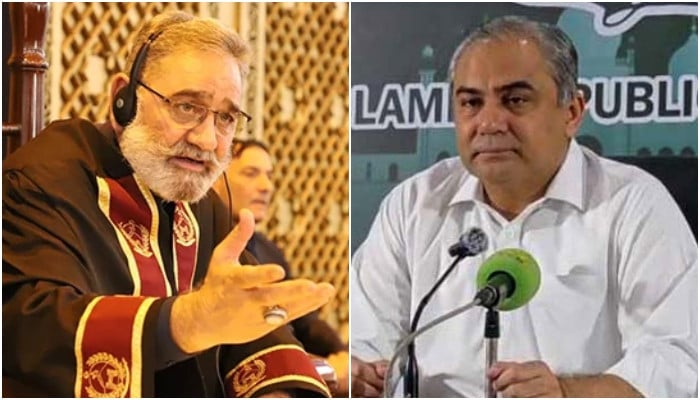
The political landscape of Pakistan has experienced a sharp escalation following a direct confrontation between the Speaker of the Khyber Pakhtunkhwa (KP) Assembly and Federal Interior Minister Mohsin Naqvi. The dispute, which erupted over alleged breaches of parliamentary privileges and jurisdictional overreach, has paralyzed routine legislative business in the provincial capital of Peshawar. According to details emerging from the assembly secretariat, the speaker has accused federal authorities of undermining provincial autonomy and violating constitutional protocols during recent administrative interventions. The timeline of events points to mounting friction between the Pakistan Tehreek-e-Insaf (PTI) led provincial government in KP and the federal coalition in Islamabad, creating a high-stakes standoff that touches upon core constitutional principles and the balance of power within the federation.
Commercial & Economic Implications
While ostensibly a political and legislative dispute, the ongoing standoff carries profound ramifications for commercial activity, wholesale distribution, and retail trade across northwestern Pakistan. Peshawar serves as a critical economic hub connecting domestic markets with regional trade corridors, including the Afghan transit trade. Extended political uncertainty and institutional gridlock invariably trickle down to local markets, causing hesitation among wholesale distributors and retail associations. Business sentiment in Khyber Pakhtunkhwa remains highly sensitive to administrative disruptions, which often translate into supply chain bottlenecks, transport delays, and heightened inflationary pressures for everyday consumers. Investors closely monitor such escalations, as prolonged friction between federal and provincial stakeholders dampens regional economic dynamism and complicates regulatory enforcement.
Related Intelligence: DI Khan Suicide Blast Kills 12, Disrupts Regional Trade
Stakeholder Perspectives & Market Reactions
Key trade bodies, chambers of commerce, and legal experts have voiced growing apprehension over the worsening institutional discord. Representatives from the Sarhad Chamber of Commerce and Industry have urged both federal and provincial leaders to prioritize economic stability over political confrontation, emphasizing that business communities bear the brunt of administrative instability. Legal authorities note that the public dispute highlights systemic flaws in inter-governmental communication and adherence to constitutional boundaries. Public response has been polarized, reflecting deep political divisions within the province, while civil society organizations continue to call for immediate judicial or consultative interventions to de-escalate the tensions before they inflict lasting damage on governance structures.
Forward Outlook & Key Watchpoints
As the crisis enters a critical phase, political observers and market analysts are tracking several key watchpoints over the coming weeks. The primary focus remains on whether parliamentary committees can broker a compromise or if the speaker will pursue formal legal challenges against federal functionaries. Furthermore, upcoming assembly sessions will serve as a litmus test for legislative productivity versus continued disruption. Policymakers and business leaders alike will monitor any signals of rapprochement between Islamabad and Peshawar, as sustainable economic growth and retail market predictability hinge entirely on a stable political environment and strict adherence to constitutional norms.
Join Our Official WhatsApp Channel
Receive live commodity alerts, policy changes, and commercial intelligence directly on WhatsApp.