
China Dispatches Giant Pandas to US Following High-Level Washington Summit
China has transferred two giant pandas to the United States following a diplomatic summit in Washington, highlighting ongoing bilateral engagement and cultural exchange strategies.
The Core Development
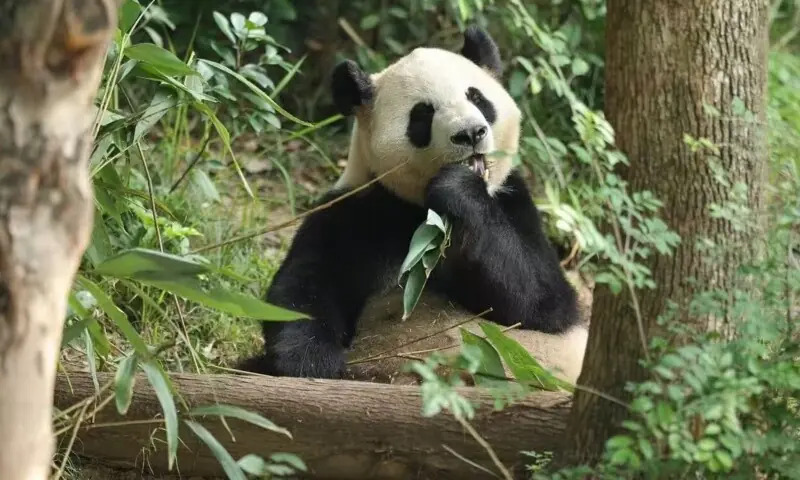
In a move underscoring the continuation of high-level diplomatic engagements, China has dispatched two giant pandas to the United States. State media reports confirmed that the mammals, named Ping Ping and Fu Shuang, departed from Chengdu Shuangliu International Airport aboard a specialized chartered flight at approximately 3:00 am local time on Sunday. The transfer had been pre-negotiated through bilateral channels, with the formal departure announcement made public on Thursday coinciding with Chinese President Xi Jinping's diplomatic visit to Washington. The summit itself was characterized by extensive symbolic gestures, reflecting both nations' desire to maintain communication channels despite underlying geopolitical frictions. To ensure the safety and well-being of the animals during the 15-hour transpacific journey, handlers stocked the flight with specialized provisions, including freshly prepared steamed corn buns, high-grade bamboo shoots, and carefully selected carrots.
Commercial & Economic Implications
While the direct movement of wildlife primarily serves a diplomatic function, the broader ecosystem of international zoological exchanges carries significant commercial weight. In the context of global trade and bilateral cooperation between major economic superpowers, soft power initiatives such as panda diplomacy often lay the groundwork for more substantive commercial negotiations. For emerging economies and trading partners like Pakistan, shifts in United States-China relations directly influence global commodity markets, supply chain stability, and investor sentiment. Although retail trade, wholesale distribution, and domestic consumer prices within Pakistan are not directly impacted by these zoological transfers, the overarching trajectory of Sino-US diplomatic stability dictates international trade policies, financial market liquidity, and currency valuations that ripple across developing markets.
Related Intelligence: South African Femicide Crisis Threatens Social Stability and Investment Climate
Stakeholder Perspectives & Market Reactions
International relations analysts and financial market observers view the panda transfer as a calculated signal of diplomatic continuity. Industry bodies and trade associations monitoring geopolitical risk note that while the Washington summit yielded limited structural breakthroughs on major trade tariffs or macroeconomic policy adjustments, the willingness to engage in traditional cultural exchanges prevents further escalation of trade tensions. Public response in both countries has been overwhelmingly receptive, capitalizing on the immense global popularity of the black-and-white mammals. Legal and diplomatic experts emphasize that these long-term animal loans are governed by rigorous bilateral scientific research agreements, ensuring strict compliance with international wildlife conservation standards while serving as barometer readings for broader diplomatic health.
Forward Outlook & Key Watchpoints
Looking ahead, market participants and policy analysts will monitor subsequent diplomatic touchpoints between Washington and Beijing to assess whether this symbolic gesture translates into tangible commercial agreements. Key watchpoints include potential follow-up meetings regarding tariff adjustments, technological supply chain regulations, and multilateral financial cooperation frameworks. As global supply chains remain sensitive to geopolitical shifts, maintaining stable communication channels between the world's two largest economies remains a critical variable for international trade stability and long-term economic forecasting.
Join Our Official WhatsApp Channel
Receive live commodity alerts, policy changes, and commercial intelligence directly on WhatsApp.