
Gaza Strikes Kill Health Official Son as Regional Ceasefire Talks Stall
Israeli strikes across Gaza have killed three Palestinians, including the son of the territory's health ministry director-general, exacerbating humanitarian collapse and reinforcing volatility across regional energy and maritime supply chains.
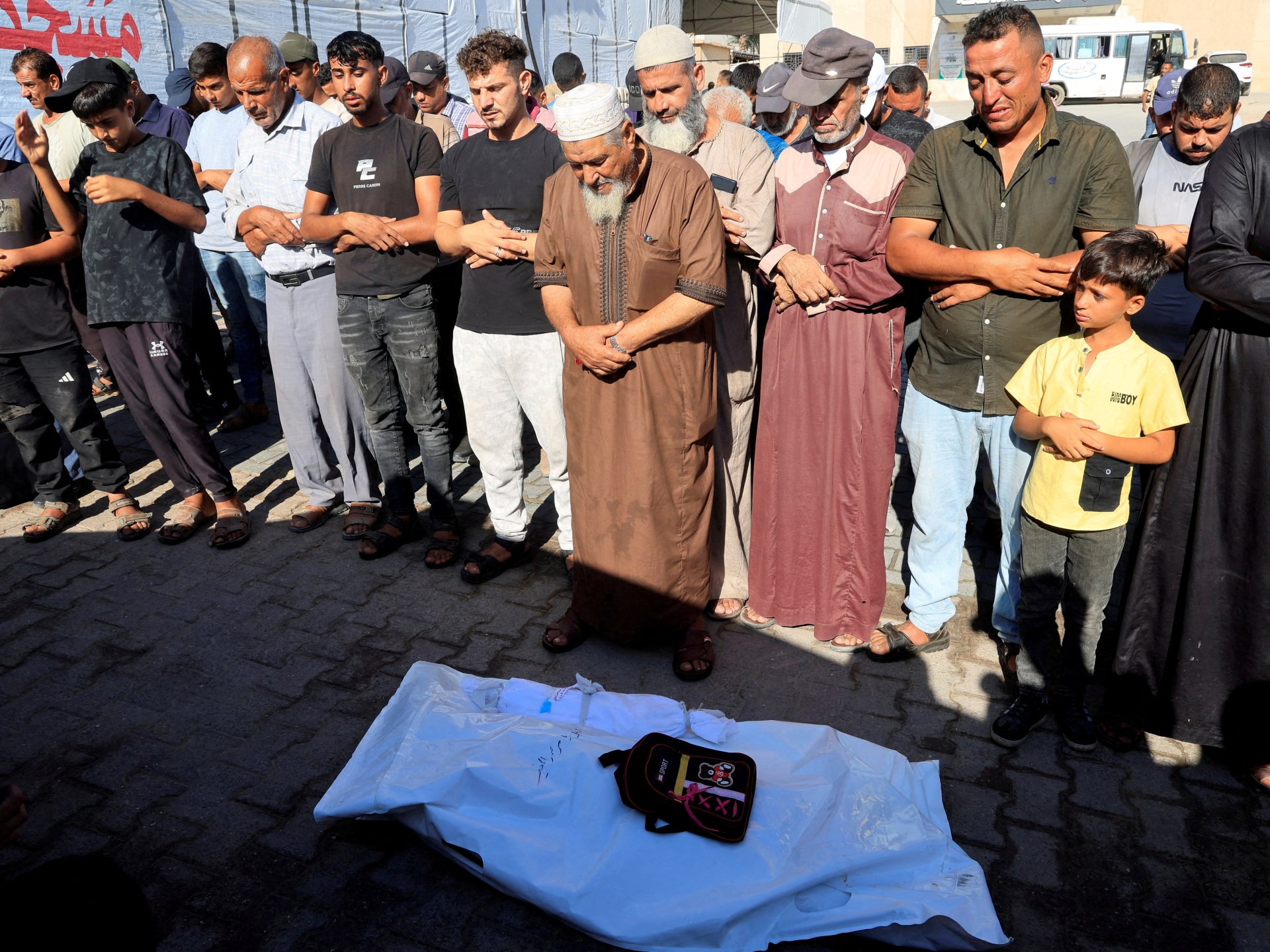
Geopolitical & Core Developments
Hostilities across the Gaza Strip intensified following targeted military strikes by Israeli forces that resulted in the deaths of at least three Palestinians, prominently including the son of Dr. Munir al-Bursh, the director-general of Gaza's Ministry of Health. The incident represents another critical blow to the enclave's beleaguered administrative and medical leadership, which has operated under extreme duress throughout months of sustained military operations.
According to regional reports, the strikes impacted multiple sectors across the territory, underscoring the continuous kinetic phase of the campaign despite protracted international diplomatic pressure aimed at establishing an enduring cessation of hostilities. The Israeli military command maintains that its targeted operations are directed at neutralizing insurgent operational infrastructure and command cells embedded within urban sectors. However, the recurring loss of life among immediate relatives of high-ranking civil servants and healthcare directors emphasizes the severe erosion of non-combatant safety parameters. This operational reality continues to complicate high-stakes indirect negotiations mediated by Qatar, Egypt, and the United States, with negotiating parties repeatedly encountering impasses over security guarantees, withdrawal timetables, and prisoner exchange protocols.
Global Trade & Economic Ripples
The ongoing conflict in the Levant continues to project significant negative externalities into global commodity distribution, shipping economics, and energy security. The persistent kinetic activity prevents any stabilization of the Middle Eastern geopolitical risk premium, leaving front-month Brent and West Texas Intermediate crude futures sensitive to any perceived escalation involving regional state actors.
Simultaneously, the commercial shipping corridor through the Bab el-Mandeb Strait remains deeply compromised. Regional non-state actors, particularly Yemen's Ansar Allah movement, continue to tether their maritime interdiction campaign directly to developments on the ground in Gaza. Consequently, major container lines and dry bulk carriers remain forced to reroute tonnage around the Cape of Good Hope. This systemic detour adds between ten and fourteen transit days to Asia-Europe trade lanes, absorbing vessel capacity, inflating bunker fuel expenditures, and keeping commercial insurance underwriting costs at structurally elevated levels. For industrial commodity importers and global agricultural markets, sustained route disruptions continue to exert upward pressure on landed import costs and inventory holding fees.
Related Intelligence: Israeli Military Faces Severe Troop and Munitions Deficits Amid Multi-Front Strains
International Reactions & Diplomatic Stances
The strike elicited strong condemnation from multilateral organizations and humanitarian monitors. Representatives from the World Health Organization and the United Nations Office for the Coordination of Humanitarian Affairs reiterated that civil administrators and medical networks must be shielded under international humanitarian law, noting that the attrition of healthcare leadership accelerates the systemic collapse of civilian survival mechanisms.
Diplomatically, Arab League member states and regional ministries of foreign affairs denounced the strikes, calling on the United Nations Security Council to implement enforceable mechanisms to enforce prior ceasefire resolutions. Western capitals, while continuing to balance strategic partnerships with Israel, face escalating domestic and institutional pressure over the humanitarian toll. Officials within the European External Action Service and several European foreign ministries renewed demands for unimpeded humanitarian access and proportionate military conduct, warning that the compounding civilian death toll severely undermines the feasibility of post-conflict reconstruction and regional integration frameworks.
Strategic Outlook & Future Scenarios
The strategic trajectory suggests a continued phase of low-to-medium intensity attrition across Gaza, absent a decisive breakthrough in tripartite mediation tracks. If Israeli operations continue to result in high-profile casualties among civil networks, the likelihood of Hamas delegations hardening their negotiating positions increases substantially, prolonging the diplomatic stalemate.
In the medium term, persistent hostilities risk wider operational spillovers along the northern front with Lebanon and adjacent theaters, which could abruptly shift energy markets from pricing precautionary risk to pricing actual physical supply disruptions. Furthermore, sustained disregard for international diplomatic appeals is expected to accelerate proceedings before international judicial bodies, potentially triggering targeted bilateral diplomatic sanctions or defense procurement reviews among European states. For global market participants, the Middle East will remain a structural source of supply-chain friction, requiring logistics operators and commodity buyers to maintain diversified routing strategies throughout the foreseeable quarters.
Join Our Official WhatsApp Channel
Receive live commodity alerts, policy changes, and commercial intelligence directly on WhatsApp.