
Gaza Human Cost Underscores Deepening Middle East Supply Chain Fragility
The staggering human toll in Gaza highlights broader regional instability, driving persistent disruptions across critical global trade corridors and energy supply chains.
Geopolitical & Core Developments
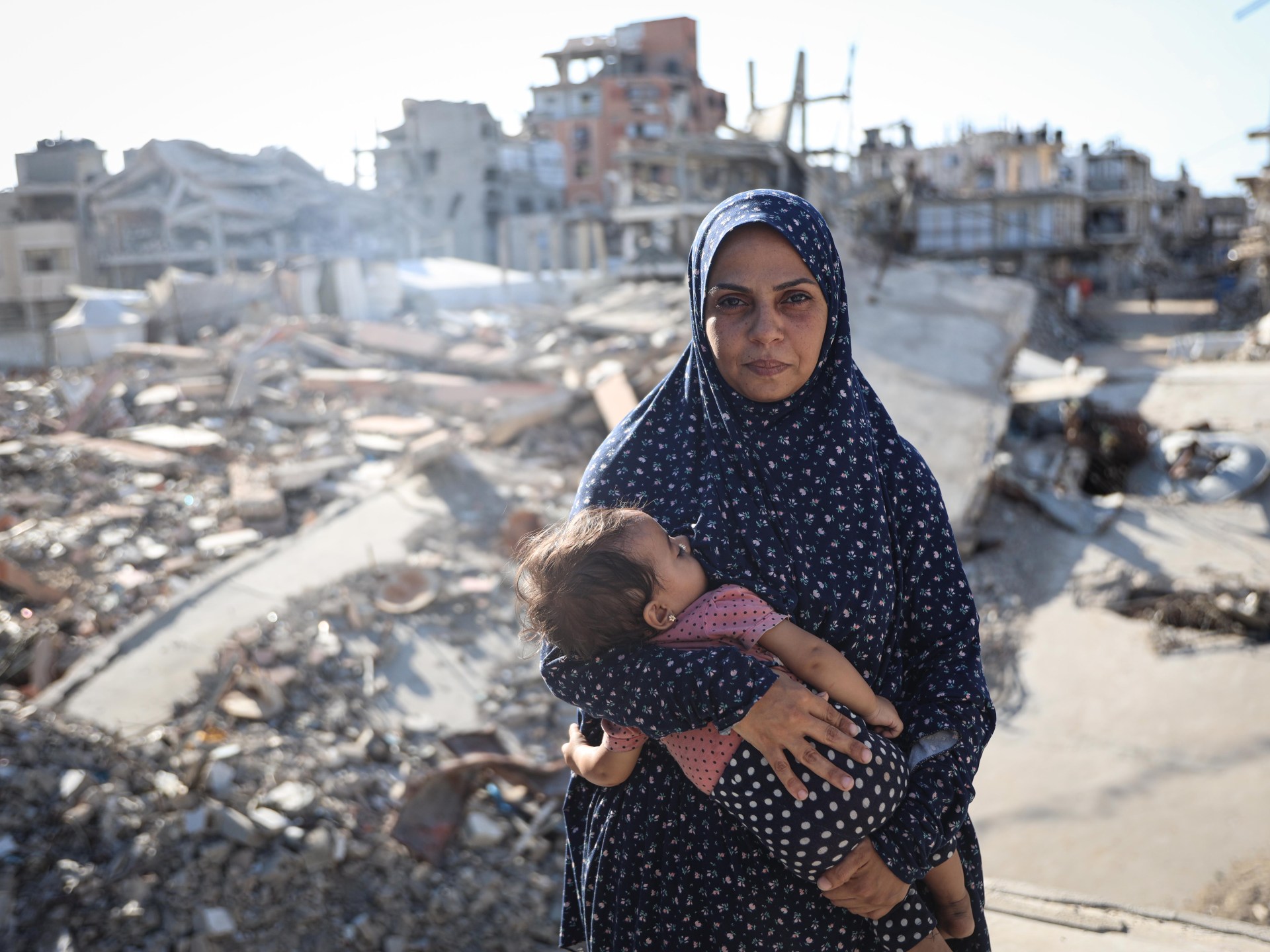
The protracted military campaign in the Gaza Strip has evolved into a defining geopolitical crisis of the decade, reshaping Middle Eastern alliances and testing the limits of international diplomacy. The devastating toll on civilian populations, exemplified by individual tragedies of immense loss, underscores the catastrophic humanitarian dimensions of a conflict that has now persisted for over a year. State actors across the region, from the Levant to the Gulf, find themselves navigating delicate diplomatic tightropes as domestic pressures mount and strategic alignments shift.
Diplomatic efforts led by regional intermediaries, including Qatar and Egypt, alongside the United States and the United Nations, have repeatedly stalled over fundamental disagreements regarding permanent ceasefires, hostage releases, and the future governance of the enclave. The absence of a viable political horizon has entrenched military postures, elevating the risk of wider regional escalation involving state and non-state actors across Lebanon, Syria, Yemen, and Iran. Strategic stakes have transcended immediate territorial disputes, transforming the conflict into a primary catalyst for global strategic realignment.
Global Trade & Economic Ripples
The reverberations of the Gaza conflict extend far beyond the immediate Levant, inflicting substantial friction on global trade networks and commodity markets. Most notably, persistent security threats orchestrated by Houthi forces in Yemen targeting commercial shipping through the Bab el-Mandeb strait have forced major maritime carriers to reroute vessels around the Cape of Good Hope. This diversion has added significant transit time and elevated operational expenditures for global supply chains connecting Asia to Europe.
Freight rates have experienced sustained volatility, while maritime insurance premiums for vessels traversing the Red Sea have skyrocketed. Furthermore, energy markets remain highly sensitive to regional escalation risks. Although physical oil supplies have not faced catastrophic curtailments, crude pricing incorporates a permanent geopolitical risk premium. Importers of liquefied natural gas (LNG) and refined petroleum products face continuous logistical hurdles, compounding inflationary pressures across major industrialized economies and straining developing nations dependent on affordable fuel imports.
International Reactions & Diplomatic Stances
Multilateral bodies and international tribunals have increasingly scrutinized the conduct of the conflict, leading to sharp divisions within the global community. The United Nations Security Council remains deadlocked by frequent vetoes, though General Assembly resolutions overwhelmingly call for immediate cessation of hostilities and unhindered humanitarian access. Meanwhile, human rights organizations and international legal authorities continue to investigate potential violations of international humanitarian law.
Market analysts and economic institutions, including the International Monetary Fund and the World Bank, have issued repeated warnings regarding the macroeconomic fallout of protracted Middle Eastern instability. Sovereign governments in Europe and North America face acute domestic scrutiny over arms exports and diplomatic backing, balancing traditional strategic partnerships against mounting humanitarian imperatives and legal obligations under international conventions.
Strategic Outlook & Future Scenarios
Looking ahead, the trajectory of the conflict remains dangerously unpredictable, with multiple escalation pathways threatening global economic stability. Upcoming international summits and diplomatic forums will test whether major powers can forge a unified framework for post-conflict reconstruction and political stabilization. Absent a credible diplomatic breakthrough, the risk of a wider conflagration involving energy infrastructure and critical maritime chokepoints remains elevated.
For global corporations and institutional investors, the primary takeaway is the institutionalization of geopolitical risk as a permanent variable in strategic planning. Supply chain resilience, inventory diversification, and heightened security protocols for maritime logistics are becoming standard operating procedures. As long as the underlying political grievances remain unaddressed, the shadow of the Gaza crisis will continue to loom large over international commerce and geopolitical stability.
Join Our Official WhatsApp Channel
Receive live commodity alerts, policy changes, and commercial intelligence directly on WhatsApp.