
Massive Drone Assault on Moscow Escalates Geopolitical Tensions and Commodity Risks
A massive overnight Ukrainian drone offensive targeting the Moscow region has resulted in casualties and raised immediate concerns over global energy stability and geopolitical escalation.
Geopolitical & Core Developments
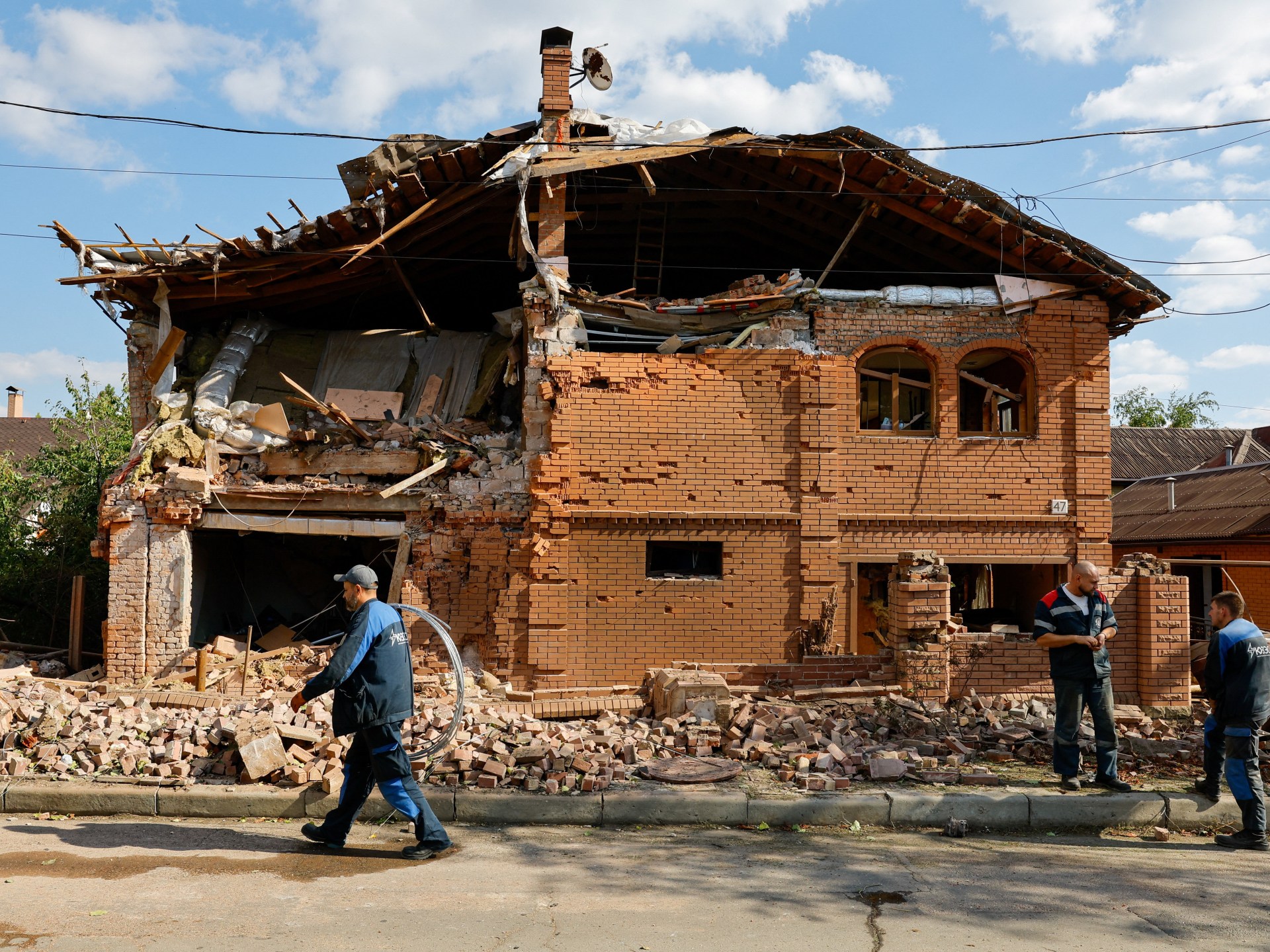
In a dramatic escalation of the ongoing conflict, Ukrainian forces launched one of the largest coordinated drone assaults on the Russian capital and its surrounding territories since the war began. Russian defense authorities reported intercepting and neutralizing a staggering 290 unmanned aerial vehicles targeting the greater Moscow region. Despite the high interception rate, the sheer volume of the assault overwhelmed localized air defense perimeters in specific sectors, resulting in two confirmed fatalities, multiple injuries, and significant structural damage to residential and administrative infrastructure.
This strategic operation marks a notable tactical shift for Kyiv, demonstrating an enhanced long-range strike capability and a willingness to project force deep into the Russian heartland. By bringing the conflict directly to the doorstep of the Russian political and economic establishment, Ukrainian military planners aim to alter the domestic psychological landscape within Russia while testing the resilience of Moscow's layered air defense network. The unprecedented scale of the raid signals that asymmetric warfare tactics are rapidly evolving, moving beyond tactical frontline engagements to sustained strategic pressure on core administrative centers.
Global Trade & Economic Ripples
The intensification of hostilities immediately reverberated through global commodity markets, particularly concerning energy futures and maritime logistics. As drone strikes creep closer to vital industrial hubs and transport corridors, international traders are rapidly re-pricing geopolitical risk premiums. Brent crude and European natural gas benchmarks experienced intraday volatility amid fears that retaliatory strikes could compromise critical Russian energy export infrastructure or prompt tighter Western compliance scrutiny on shadow tanker fleets.
Beyond energy, global supply chains tied to Eastern European industrial manufacturing face renewed bottlenecks. Airspace closures and heightened security protocols around major Moscow logistics hubs have forced international cargo carriers to reroute, increasing transit times and freight rates. Furthermore, investor sentiment across emerging market currencies remained cautious, as foreign exchange traders weighed the inflationary risks of sustained commodity price spikes against potential monetary policy adjustments by central banks navigating the fallout of the protracted conflict.
Related Intelligence: Houthi Airport Strikes Escalation Threatens Regional Stability and Energy Flows
International Reactions & Diplomatic Stances
Global capitals responded to the escalation with a mix of strategic caution and diplomatic posturing. Western allies reiterated their steadfast support for Ukraine's right to self-defense while quietly urging restraint regarding deep-territory strikes that could provoke disproportionate nuclear or conventional retaliation from Moscow. Spokespersons for the United Nations expressed deep concern over the mounting civilian toll and the widening geographical scope of the hostilities, calling on all belligerent parties to respect international humanitarian law and protect non-combatant populations.
Meanwhile, market analysts and geopolitical risk consultancies emphasized that the incident underscores the fragility of current diplomatic stalemates. Financial institutions have updated their risk models, advising institutional clients to prepare for prolonged supply chain fragmentation. Multilateral bodies highlighted the urgent necessity of reopening diplomatic channels to prevent miscalculations that could inadvertently draw neighboring NATO member states into a wider regional conflagration.
Strategic Outlook & Future Scenarios
Looking ahead, the trajectory of the conflict suggests a dangerous cycle of reciprocal escalation. With both sides heavily invested in maintaining military momentum, prospects for a negotiated ceasefire remain distant. Upcoming international summits, including scheduled G20 and regional security forums, are expected to be dominated by urgent discussions surrounding the enforcement of existing sanctions and the implementation of tighter export controls on dual-use drone components.
As Moscow evaluates its strategic response, market participants must brace for potential asymmetric cyberattacks, further restrictions on agricultural and energy exports, and heightened volatility across international trade routes. The events near Moscow serve as a stark reminder that the economic fallout of the war remains intricately linked to military developments on the ground, ensuring that global commodity markets will remain highly sensitive to geopolitical shocks in the foreseeable future.
Join Our Official WhatsApp Channel
Receive live commodity alerts, policy changes, and commercial intelligence directly on WhatsApp.