
Gaza Real Estate Collapse Forces Professionals Into Tent Offices
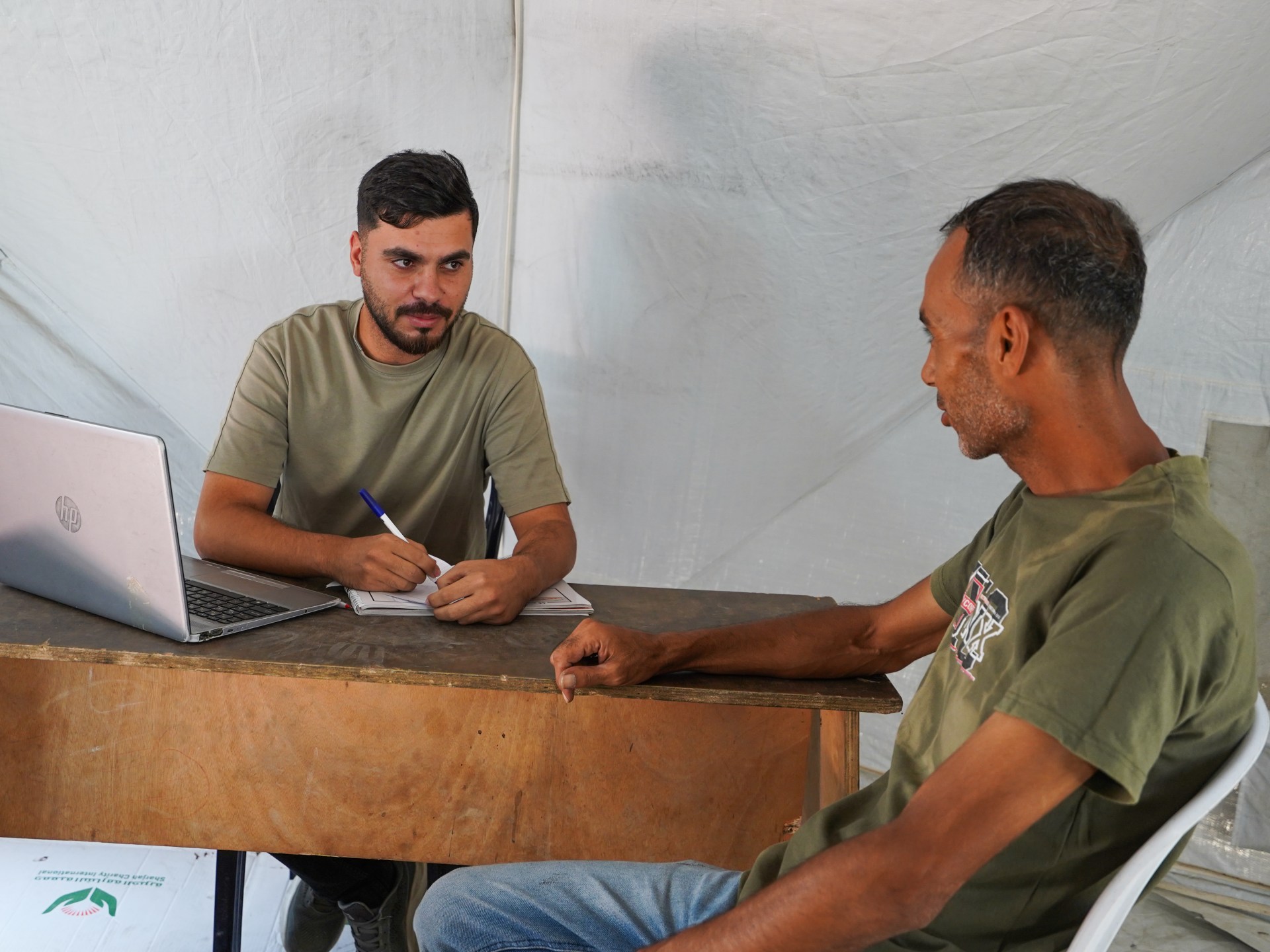
The complete destruction of commercial infrastructure in Gaza has driven professionals to establish makeshift offices and surgeries within refugee tents.
Geopolitical & Core Developments
The protracted conflict in the Gaza Strip has fundamentally transformed the physical and operational landscape of the enclave, resulting in a catastrophic collapse of commercial real estate. With the vast majority of urban infrastructure, office complexes, and medical facilities reduced to rubble, the territory's professional class has been compelled to adapt through extreme survival measures. Accountants, engineers, lawyers, and physicians are increasingly utilizing canvas humanitarian tents as makeshift corporate headquarters, administrative centers, and clinical surgeries. This phenomenon underscores the profound depth of the humanitarian and structural crisis, where traditional governance, commerce, and professional services must operate within displaced persons camps.
The strategic stakes of this infrastructural annihilation extend far beyond immediate shelter needs. The absence of a stable commercial foundation undermines the ability of local populations to sustain basic economic functions. State actors, regional governments, and international monitors observe that the systematic destruction of real estate assets serves as a critical multiplier of misery, stripping professionals of their institutional capacity and forcing an entire economy into informal, precarious survival modes. Diplomatic efforts aimed at securing a lasting ceasefire continue to grapple with these immense reconstruction challenges, knowing that rebuilding the physical framework of commerce will require unprecedented international intervention and capital.
[Global Trade](/news/gaza-casualties-cast-shadow-over-global-trade-security) & Economic Ripples
While the immediate crisis remains localized, the broader economic ripples affect regional supply chains, trade flows, and market sentiments across the Middle East. The obliteration of local service economies in Gaza eliminates regional trade nodes that historically facilitated cross-border commercial exchanges. Furthermore, the extreme scarcity of building materials, technological hardware, and reliable power grids creates micro-economic shockwaves that inhibit broader regional market integration. International commodity markets, particularly those monitoring construction materials such as cement, steel, and glass, factor these massive potential future reconstruction demands into long-term strategic projections.
Global shipping lanes and maritime commerce in the adjacent Eastern Mediterranean also reflect the lingering jitters of persistent geopolitical instability. Although direct commercial shipping through the immediate conflict zone remains heavily restricted, broader freight insurance rates, regional logistics planning, and energy supply evaluations across the Levant continue to price in the systemic risks associated with prolonged urban devastation. Currency values within the broader Palestinian economy remain highly volatile, heavily dependent on external aid flows and international liquidity injections to stave off absolute financial collapse.
Related Intelligence: Verstappen Triumphs in Chaotic Singapore Grand Prix Sprint Amid Supply Chain Disruptions
International Reactions & Diplomatic Stances
Multilateral institutions, including various United Nations agencies and humanitarian bodies, have repeatedly highlighted the unprecedented nature of the infrastructure crisis in Gaza. Official statements from the UN Office for the Coordination of Humanitarian Affairs emphasize that the emergency goes beyond food and medical aid, encompassing the total erosion of institutional and professional continuity. International trade associations and human rights organizations have condemned the destruction of civilian and commercial assets, calling for immediate access to reconstruction materials and independent oversight mechanisms to facilitate economic recovery.
Market analysts and geopolitical risk consultancies note that international diplomatic paralysis has exacerbated commercial uncertainty. While Western governments debate diplomatic frameworks for post-conflict governance, regional powers are actively positioning themselves to influence future reconstruction contracts. However, until fundamental security parameters are established and real estate rights are legally restored, institutional investors and multinational corporations remain entirely detached from any prospective redevelopment initiatives in the territory.
Strategic Outlook & Future Scenarios
Looking ahead, the trajectory of Gaza's professional and commercial sectors depends entirely on the realization of a durable cessation of hostilities and the subsequent implementation of a comprehensive reconstruction master plan. Upcoming international donor summits will likely focus on emergency funding mechanisms, yet the sheer scale of urban destruction suggests that recovery will span decades rather than years. Sanctions regimes, border controls, and material import restrictions will continue to dictate the speed and scope of any future infrastructural revival.
Geopolitical escalation points remain high across the wider region, threatening to trigger further secondary shocks to global commodity markets and energy supply security. Should diplomatic breakthroughs fail to materialize, the normalization of tent-based professional operations risks becoming a permanent baseline for survival, permanently altering the socio-economic fabric of the enclave and delaying the return of viable market economies indefinitely.
Join Our Official WhatsApp Channel
Receive live commodity alerts, policy changes, and commercial intelligence directly on WhatsApp.