
Delhi Security Crackdown Threatens Regional Stability and Trade Flows
Mass detentions in New Delhi amid heavy security deployments threaten domestic stability and critical regional trade corridors, raising concerns among international investors and commodity markets.
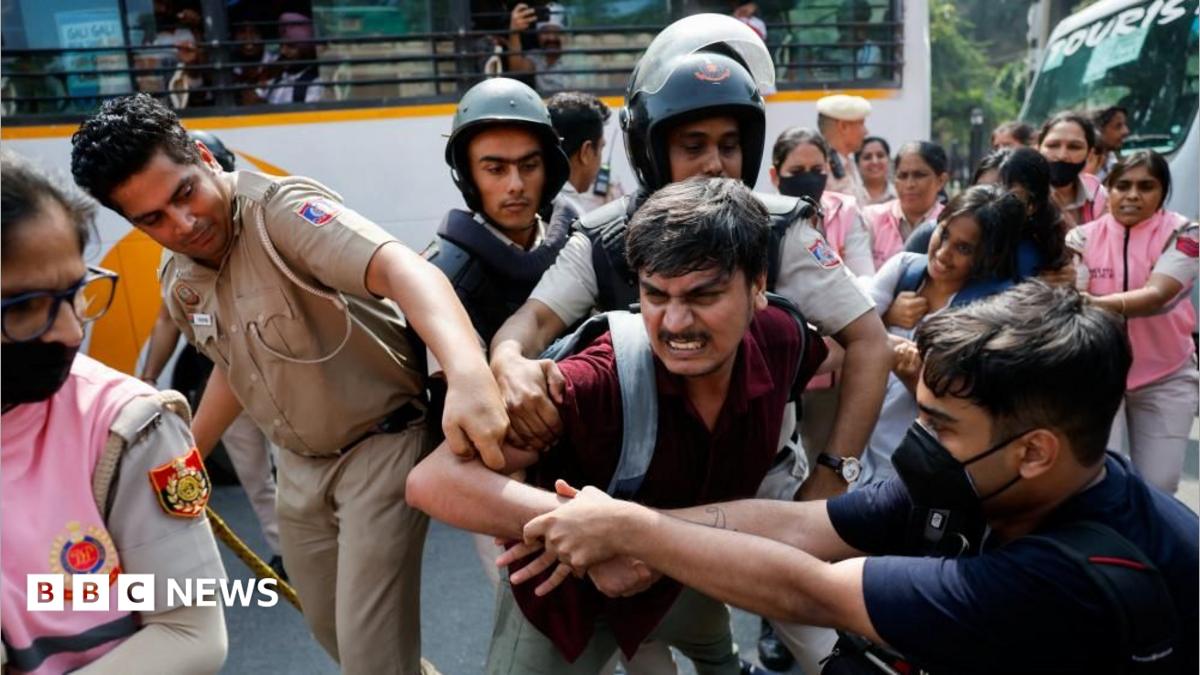
Geopolitical & Core Developments
Tensions escalated sharply in the Indian capital this week as authorities implemented sweeping security lockdowns, deploying tens of thousands of personnel and erecting extensive barricades across major metropolitan arteries. The preemptive measures culminated in the detention of hundreds of political figures, notably including leaders associated with the activist collective locally dubbed the Cockroach group. The demonstrations, organized in defiance of strict municipal prohibitions, reflect deep-seated domestic grievances regarding governance, economic policy, and civil liberties.
State actors and internal security apparatuses moved decisively to curtail the assembly, citing imminent threats to public order and critical infrastructure. The deployment of paramilitary forces alongside municipal police highlights the central government's low tolerance for civil disobedience as regional geopolitical rivalries intensify. Analysts note that the timing of these protests coincides with sensitive diplomatic engagements, amplifying the domestic political stakes for the ruling administration as it attempts to project stability to foreign investors and strategic allies.
Global Trade & Economic Ripples
While the demonstrations remain primarily domestic in political origin, the resulting logistical paralysis across New Delhi has introduced immediate friction into national and regional supply chains. Major commercial arteries connecting northern manufacturing hubs to international export terminals experienced severe bottlenecks, delaying the transit of high-value goods, textiles, and agricultural commodities. Global energy markets have maintained a cautious stance, monitoring whether prolonged civil unrest could impede broader commercial corridors linking South Asian manufacturing centers to maritime shipping lanes.
Financial markets responded with subdued volatility, yet foreign exchange desks noted temporary downward pressure on the rupee as international investors reassessed sovereign risk premiums. Commodities analysts warn that persistent internal friction within key emerging economies can disrupt domestic procurement cycles, eventually reflecting in localized price volatility for industrial inputs and consumer goods. The disruption underscores the vulnerability of modern urban logistics to large-scale security interventions and civil unrest.
Related Intelligence: Zaporizhzhia Strike Escalates Regional Risks for Global Commodities
International Reactions & Diplomatic Stances
International bodies and foreign ministries have begun monitoring the developments in New Delhi with cautious diplomacy. While multilateral organizations emphasize the importance of upholding fundamental freedoms and democratic norms, major trade partners have refrained from heavy-handed public rebukes, prioritizing bilateral economic stability and strategic partnerships in the Indo-Pacific region. Commercial analysts and risk consultancy firms have updated their advisory notes, urging multinational corporations operating within the subcontinent to contingency-plan for potential civil disruptions.
Foreign trade delegations operating in the capital reported minor operational delays due to transit restrictions, though embassy communications have generally characterized the situation as an internal law enforcement matter. Nevertheless, human rights organizations and international legal observers have expressed growing concern over the scale of the preventive detentions, warning that such measures risk deepening political polarization and undermining investor confidence in the nation's institutional resilience.
Strategic Outlook & Future Scenarios
Looking ahead, the trajectory of political dissent in New Delhi will likely depend on the government's willingness to engage in dialogue versus its reliance on continued security enforcement. Upcoming legislative sessions and scheduled regional summits will serve as critical litmus tests for political stability. Should the administration maintain its hardline approach, analysts project prolonged sporadic protests that could further strain municipal infrastructure and commercial logistics.
Conversely, any softening of the state's posture could alleviate immediate market anxieties, though underlying grievances regarding economic policy and governance are expected to persist. For global commodity traders and foreign investors, the episode serves as a vital reminder of the delicate equilibrium between state security imperatives and commercial continuity in emerging market economies.
Join Our Official WhatsApp Channel
Receive live commodity alerts, policy changes, and commercial intelligence directly on WhatsApp.