
UN Human Rights Council Condemns Sudan Violence Amid Escalating Crisis
The UN Human Rights Council has issued a stringent resolution demanding an immediate ceasefire in Sudan while extending critical investigative mandates amid deepening humanitarian and commercial turmoil.
Geopolitical & Core Developments
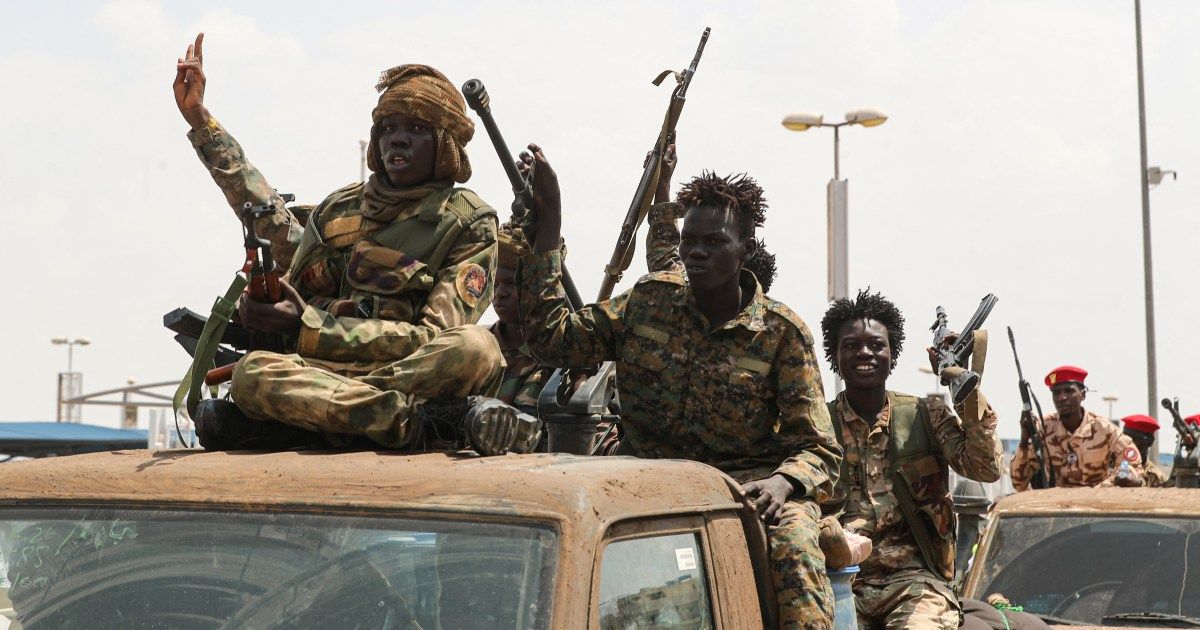
The United Nations Human Rights Council has formally adopted a sweeping resolution condemning ongoing, systematic attacks against civilians in Sudan, demanding an immediate and unconditional ceasefire. The resolution, passed after intense diplomatic negotiations in Geneva, underscores the international community's mounting alarm over the protracted conflict between the Sudanese Armed Forces (SAF) and the Rapid Support Forces (RSF). Since fighting erupted, the war has displaced millions, triggered severe regional instability, and shattered civil infrastructure across Khartoum and the greater Darfur region. Furthermore, the Council voted to extend the mandate of the Independent International Fact-Finding Mission for the Sudan, ensuring that perpetrators of war crimes, sexual violence, and ethnic targeting face rigorous international documentation and future accountability. Diplomatic efforts led by regional bodies, including the Intergovernmental Authority on Development (IGAD) and the African Union, have repeatedly stalled, prompting Western and allied nations to leverage multilateral forums to pressure leadership on both sides to return to the negotiating table.
Global Trade & Economic Ripples
Beyond the catastrophic humanitarian toll, the Sudanese conflict continues to generate severe shockwaves across global commodity markets and strategic trade networks. Sudan occupies a vital geopolitical nexus bridging the Horn of Africa, East Africa, and the Red Sea corridor, a primary artery for international maritime trade connecting the Suez Canal to the Indian Ocean. Prolonged instability has crippled domestic agricultural output, turning a nation historically capable of serving as a regional breadbasket into a food-insecure territory dependent on international aid. Furthermore, supply chains for key agricultural commodities, including gum arabic—a critical emulsifier utilized extensively in global food and beverage manufacturing—face severe bottlenecks and skyrocketing price volatility. Logistics operators navigating the broader Red Sea theater also contend with elevated regional risk premiums, driving up maritime insurance rates and freight costs for vessels transiting the Bab el-Mandeb strait, with direct financial ramifications for European and Asian supply chains.
Related Intelligence: Middle East Escalation Reshapes Regional Security and Red Sea Trade
International Reactions & Diplomatic Stances
International bodies and major economic powers have rallied behind the UN resolution, though implementation mechanisms remain a point of intense geopolitical debate. United Nations High Commissioner for Human Rights Volker Turk emphasized that violations committed by warring factions may constitute crimes against humanity, urging member states to utilize universal jurisdiction to prosecute offenders. Meanwhile, representatives of the Sudanese military government rejected certain external oversight measures, arguing that sovereignty must be respected even amidst civil conflict, while RSF leadership issued statements pledging conditional cooperation with humanitarian access corridors. Market analysts and geopolitical risk firms note that while the diplomatic condemnation is robust, the lack of enforcement power held by the Human Rights Council limits its immediate impact on battlefield dynamics. Western diplomatic missions have renewed calls for targeted economic sanctions against financial networks supporting the belligerents, aiming to choke off the illicit flow of arms and funding sustaining the war effort.
Strategic Outlook & Future Scenarios
Looking ahead, the trajectory of the Sudanese crisis points toward protracted instability with profound implications for regional security and global commerce. Upcoming diplomatic summits, including the upcoming UN General Assembly high-level debates and specialized African Union ministerial meetings, will test the resolve of the international community to transition from rhetorical condemnation to enforceable peace enforcement. Analysts warn of several potential escalation points, including the risk of spillover conflicts involving neighboring states in the Sahel and East Africa, which could further destabilize oil transit routes and mineral supply chains. Without a binding, internationally policed truce and a credible political transition framework, Sudan risks remaining a failed state at the crossroads of global trade, permanently altering the security architecture of the Red Sea basin.
Join Our Official WhatsApp Channel
Receive live commodity alerts, policy changes, and commercial intelligence directly on WhatsApp.