
Military Plane Crash in DR Congo Kills Fourteen, Shaking Regional Security
An army plane crash in the Democratic Republic of Congo kills 14 people, intensifying regional security concerns and highlighting critical infrastructure risks in Central Africa.
Geopolitical & Core Developments
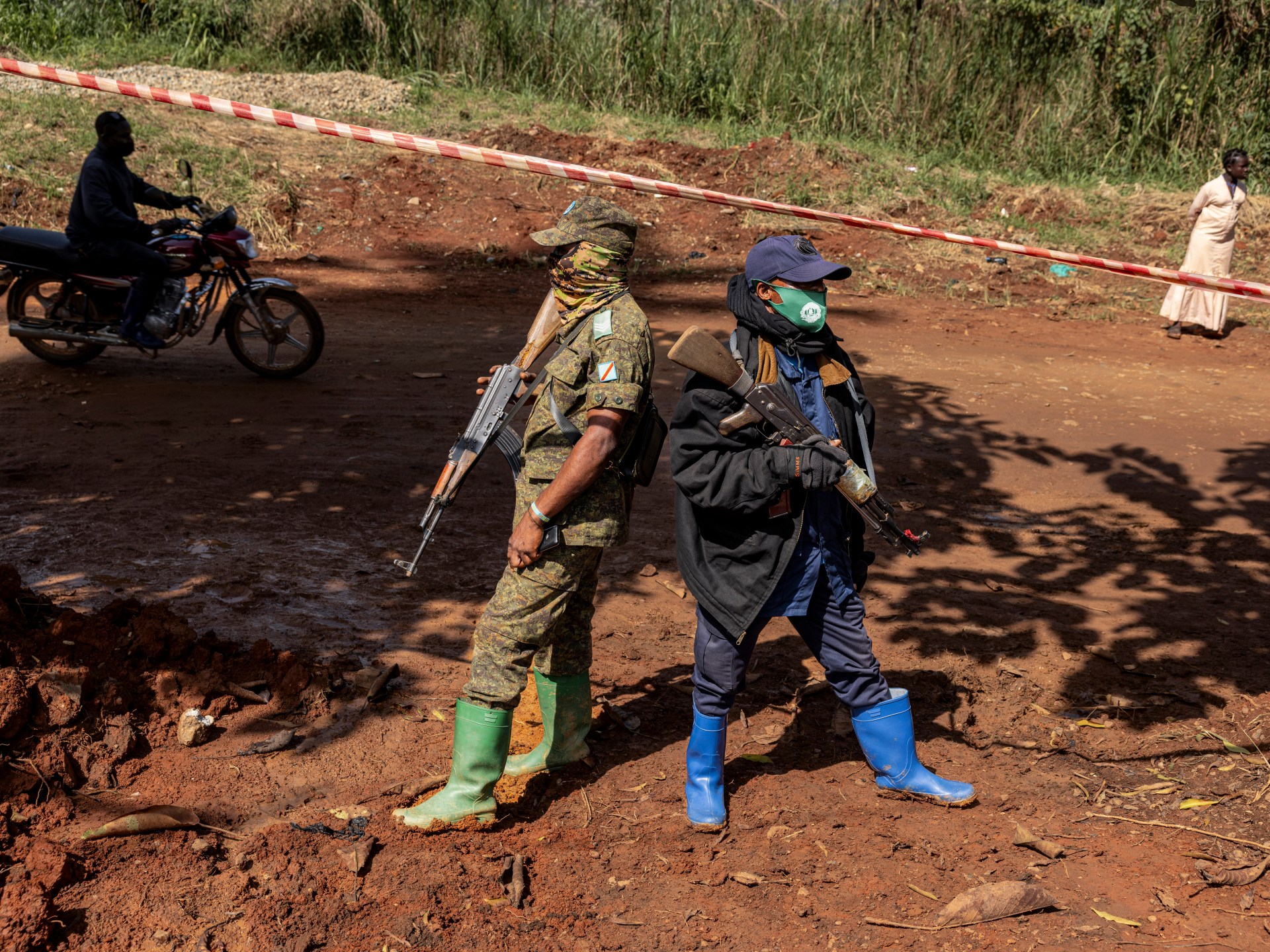
A catastrophic military aircraft crash in the Democratic Republic of Congo (DRC) has claimed the lives of at least 14 individuals, including both civilians and high-ranking military officials. The incident occurred when a transport aircraft belonging to the Congolese armed forces (FARDC) went down in a heavily populated residential sector shortly after takeoff. Initial reports indicate that mechanical failure may have precipitated the disaster, though official investigations are ongoing to determine the precise sequence of events.
The loss of senior military personnel deals a notable tactical blow to Kinshasa's command structure as the central government grapples with persistent insurgencies in the eastern provinces. The region has long been a theater of intense conflict, involving multiple armed groups vying for territorial control and resource exploitation. This tragedy underscores the precarious state of military logistics and aviation safety within the Central African nation, raising urgent questions regarding the operational readiness and maintenance protocols of state air assets deployed in active conflict zones.
Global Trade & Economic Ripples
While the crash is primarily a domestic human and military tragedy, its secondary implications ripple through the complex web of global commodity markets and international trade networks. The DRC is a linchpin in the global energy transition, supplying a significant majority of the world's cobalt and substantial quantities of industrial-grade copper and lithium. Instability in transport corridors and the weakening of administrative oversight directly threaten the predictable extraction and export of these critical transition minerals.
International logistics firms and mining conglomerates operating in the region are reassessing security protocols following the incident. Any disruption to domestic transport infrastructure—whether via air or deteriorating overland routes—translates immediately into supply chain friction. Commodity traders in global hubs are closely monitoring the situation for potential delivery delays, which could induce spot-price volatility across base metals and battery components. Furthermore, foreign direct investment inflows into the mining sector remain highly sensitive to institutional stability and the safety of logistical lifelines connecting interior extraction sites to coastal export terminals.
Related Intelligence: Papua's Disappearing Glaciers Signal Severe Global Commodity and Climatic Risks
International Reactions & Diplomatic Stances
Regional bodies and international partners have expressed profound condolences while evaluating the broader implications for stability in the Great Lakes region. Representatives from the United Nations Organization Stabilization Mission in the DRC (MONUSCO) offered logistical and technical assistance to local authorities handling the aftermath of the crash. Diplomatic missions in Kinshasa have emphasized the critical need for transparent investigations into aviation safety standards within state forces.
Global market analysts note that diplomatic engagement remains focused on mitigating the risk of a security vacuum in eastern Congo. International stakeholders are urging renewed commitment to peace frameworks and regional dialogue platforms, such as the Luanda and Nairobi processes, designed to de-escalate tensions between the DRC and neighboring states. The incident serves as a stark reminder to the international community of the multifaceted challenges underpinning governance and security in resource-rich developing economies.
Strategic Outlook & Future Scenarios
Looking ahead, the fallout from the crash is likely to accelerate internal reviews of military procurement and maintenance oversight within the FARDC. As Kinshasa navigates complex domestic security pressures ahead of upcoming regional diplomatic summits, the imperative to modernize defense infrastructure has never been more pronounced.
For international markets, the trajectory of risk in the DRC remains tied to the government's ability to maintain institutional cohesion and secure vital transport arteries. Sustained volatility could prompt further risk premiums on mineral exports, influencing long-term procurement strategies for global manufacturers dependent on Central African raw materials. Policymakers and commercial entities alike must factor these persistent logistical vulnerabilities into their strategic risk assessments for sub-Saharan Africa.
Join Our Official WhatsApp Channel
Receive live commodity alerts, policy changes, and commercial intelligence directly on WhatsApp.