
French Unrest Intensifies as Austerity Protests Turn Violent
Violent clashes and sweeping public sector strikes in France over proposed budget cuts have led to dozens of arrests and injuries, threatening national economic stability and eurozone market confidence.
Geopolitical & Core Developments
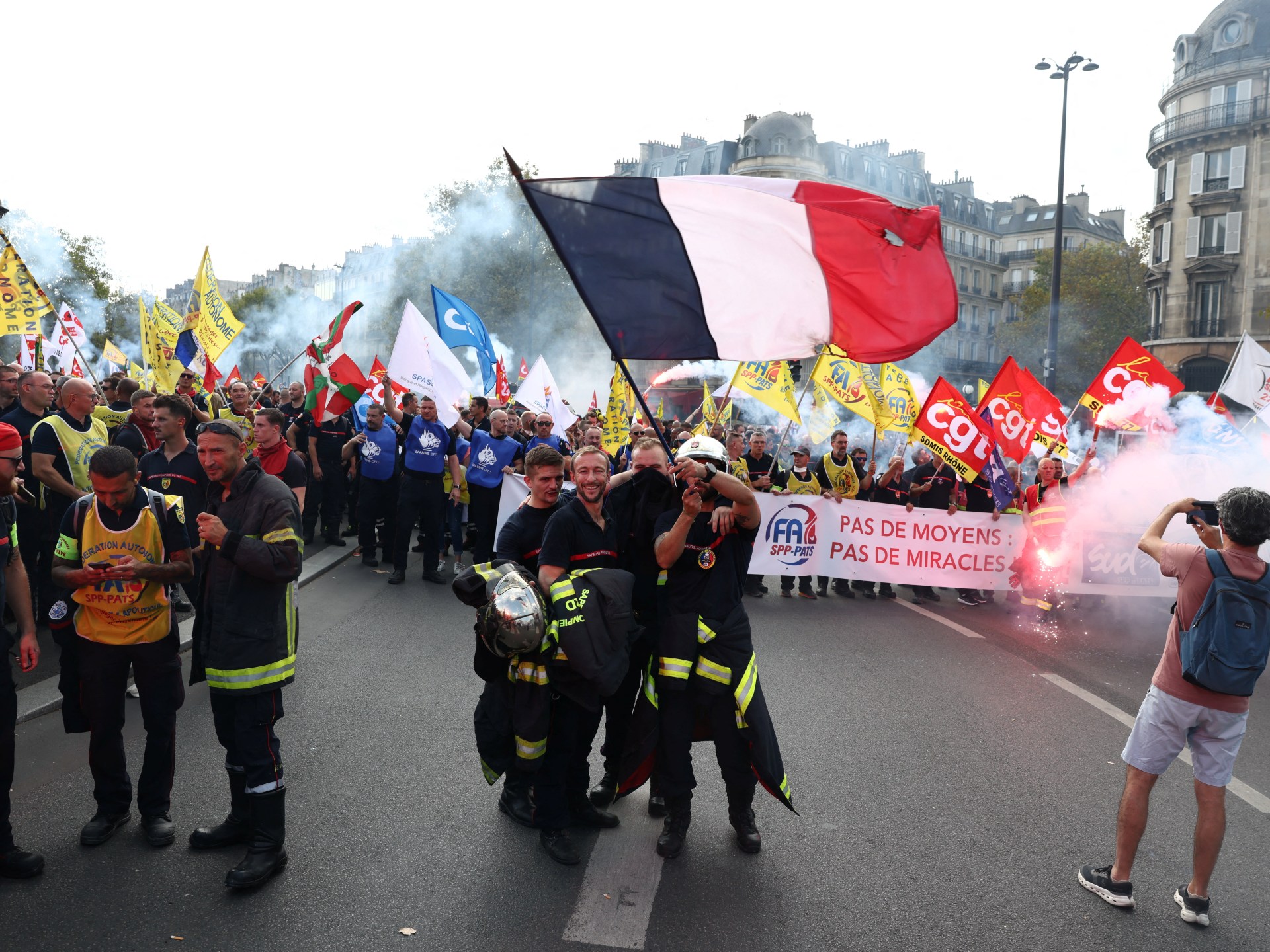
Tensions reached a boiling point across France as nationwide protests against sweeping government budget cuts erupted into violent confrontations between demonstrators and security forces. Approximately 40 individuals were arrested and at least 10 sustained injuries during clashes in major urban centers, notably surrounding university campuses and key administrative hubs. The unrest stems from the central government's aggressive legislative push to implement rigorous fiscal austerity measures designed to rein in a mounting national deficit and comply with stringent European Union budgetary frameworks.
Public sector workers, including transport operators, educators, and civil servants, joined forces with student unions to paralyze essential services. The protests reflect deep-seated societal resistance against retrenchment policies that threaten public welfare benefits, pension structures, and educational funding. State authorities deployed heavy riot police details to manage the crowds, resulting in tear gas deployment and running street battles that underscore the volatile domestic political climate facing the current administration.
Global Trade & Economic Ripples
As the eurozone's second-largest economy faces severe internal disruption, international commodity markets and pan-European supply chains are monitoring the situation for spillover effects. Industrial strikes directly impact domestic logistics, freight forwarding, and commercial transport networks originating from critical French hubs like Marseille and Le Havre. Any prolonged paralysis in public transportation and logistics infrastructure inevitably threatens cross-border trade flows within the Single Market, causing temporary delays in manufacturing components and agricultural exports.
Furthermore, investor sentiment regarding French sovereign debt has experienced heightened scrutiny. Rating agencies and institutional bondholders are closely watching whether political instability will compromise fiscal consolidation targets. A weakening euro and heightened volatility in French bond yields could ripple across European financial markets, influencing broader investor risk appetite and tightening credit conditions for commercial enterprises operating within the region.
Related Intelligence: West Bank Violence Escalates Geopolitical Risks for Trade and Energy
International Reactions & Diplomatic Stances
International observers, including financial analysts in London and Frankfurt, have expressed concern over the political durability of the French government's reform agenda. Multilateral institutions such as the European Commission have continuously emphasized the necessity for member states to reduce structural deficits; however, officials privately acknowledge that social unrest complicates the execution of these mandates.
Global trade partners and diplomatic missions have advised caution for international travelers and commercial delegations traversing major French metropolitan areas. While foreign governments have largely framed the unrest as an internal domestic matter, economic think tanks warn that prolonged social friction in core eurozone economies undermines overall continental economic recovery and weakens the collective negotiating posture of the European Union on international trade accords.
Strategic Outlook & Future Scenarios
Looking ahead, the immediate trajectory of French domestic policy hinges on the government's willingness to compromise with labor unions and student leadership. If authorities press forward without fiscal concessions, further escalation appears probable, potentially triggering indefinite general strikes that could severely impair national economic output ahead of the upcoming fiscal quarters.
Upcoming legislative votes on the national budget will serve as critical litmus tests for executive authority. A failure to pass essential austerity measures could precipitate a parliamentary crisis, forcing early elections or executive overreach via constitutional decrees. For international markets, the primary risk remains prolonged political paralysis in Paris, which could stall crucial European economic reforms and introduce persistent volatility into continental trade and currency valuations throughout the fiscal year.
Join Our Official WhatsApp Channel
Receive live commodity alerts, policy changes, and commercial intelligence directly on WhatsApp.