
French Student Protests Trigger Crisis Meetings and Commercial Uncertainty
Nationwide student protests and violent clashes across France prompt emergency government crisis meetings, creating localized supply chain disruptions and weighing on European market sentiment.
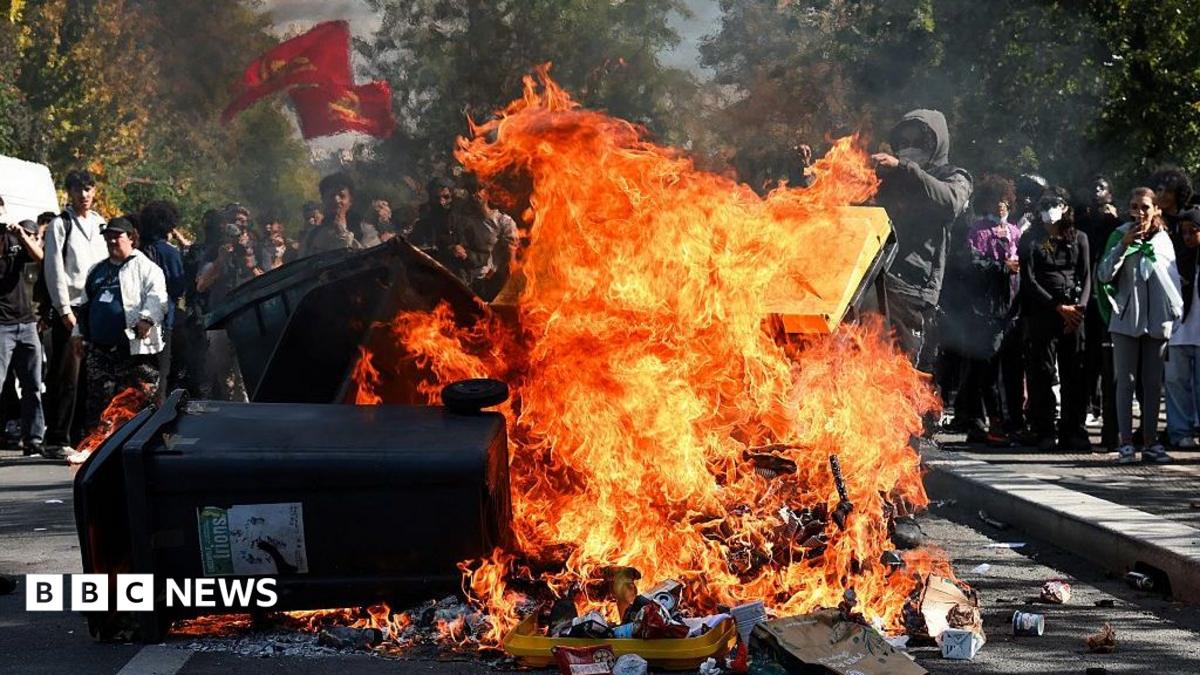
Geopolitical & Core Developments
A wave of nationwide student demonstrations across France has escalated significantly, culminating in localized arson attacks, structural fires at educational institutions, and violent clashes with law enforcement authorities. The unrest, triggered by grievances over educational reforms and economic pressures, has rapidly spread from suburban hubs to major urban centers including Paris, Lyon, and Marseille. In response to the intensifying civil disobedience, the French government convened an emergency cabinet-level crisis meeting to evaluate national security measures and deploy additional riot police units.
The strategic stakes for the administration of President Emmanuel Macron are exceptionally high. Coming on the heels of protracted labor disputes and pension reform protests, these youth-led demonstrations threaten to paralyze key public infrastructure. State actors and domestic security agencies are under intense pressure to contain the unrest before it cascades into a broader national strike movement, which historically has paralyzed French transport networks and severely impacted economic productivity across the Eurozone's second-largest economy.
Global Trade & Economic Ripples
While the protests are primarily domestic in origin, their commercial and economic repercussions extend across European markets. Widespread blockades of roadways and logistical hubs have caused immediate delays in freight distribution and urban delivery schedules. Transport operators report localized bottlenecks, forcing supply chain managers to reroute shipments around major metropolitan protest zones. These logistical friction points have injected a degree of caution into regional trade flows, particularly affecting retail and perishable goods sectors operating on tight just-in-time delivery models.
Furthermore, the domestic instability has exerted downward pressure on the Euro against major trading currencies, reflecting investor anxiety over potential fiscal spending concessions by Paris to appease demonstrators. European energy markets and commodity pricing remain sensitive to any prolonged paralysis in French infrastructure, given the country's central role in cross-border electricity grids and continental transit corridors. Analysts are closely monitoring whether the unrest will affect broader consumer confidence and dampen retail demand ahead of the crucial spring trading season.
Related Intelligence: The Manchester City Leaks: Whistleblower Rui Pinto and Global Football Governance
International Reactions & Diplomatic Stances
Mediterranean and European neighbors are observing the French crisis with mounting apprehension. Officials in Brussels have emphasized the importance of maintaining public order while upholding the democratic right to peaceful assembly, though European Commission sources privately express concern over the potential for economic contagion. International financial institutions and market analysts have begun factoring potential French political instability into their medium-term macroeconomic forecasts for the eurozone.
Global trade partners and foreign embassies have issued travel advisories for citizens visiting major French cities, citing risks associated with violent demonstrations and transit disruptions. Commercial chambers of commerce in neighboring Germany and the United Kingdom have advised member firms to establish contingency plans for cross-border logistics, highlighting vulnerabilities in integrated European supply chains during periods of acute civil unrest.
Strategic Outlook & Future Scenarios
Looking ahead, the trajectory of the French protests will depend heavily on the government's willingness to engage in substantive dialogue with student unions and labor representatives. If the administration fails to offer credible concessions, the movement risks merging with broader anti-government coalitions, potentially triggering a general strike that would severely disrupt national commerce.
Upcoming legislative debates and regional union summits will serve as critical barometers for social stability. A prolonged crisis could force the French treasury to revise its fiscal deficit targets to fund social appeasement packages, with direct implications for European Union fiscal rule enforcement. For international investors and global commodity traders, navigating the French market will require heightened vigilance as Europe grapples with persistent internal political volatility.
Join Our Official WhatsApp Channel
Receive live commodity alerts, policy changes, and commercial intelligence directly on WhatsApp.