
Gaza Mass Burial Underscores Deepening Humanitarian Crisis Amid Regional Instability
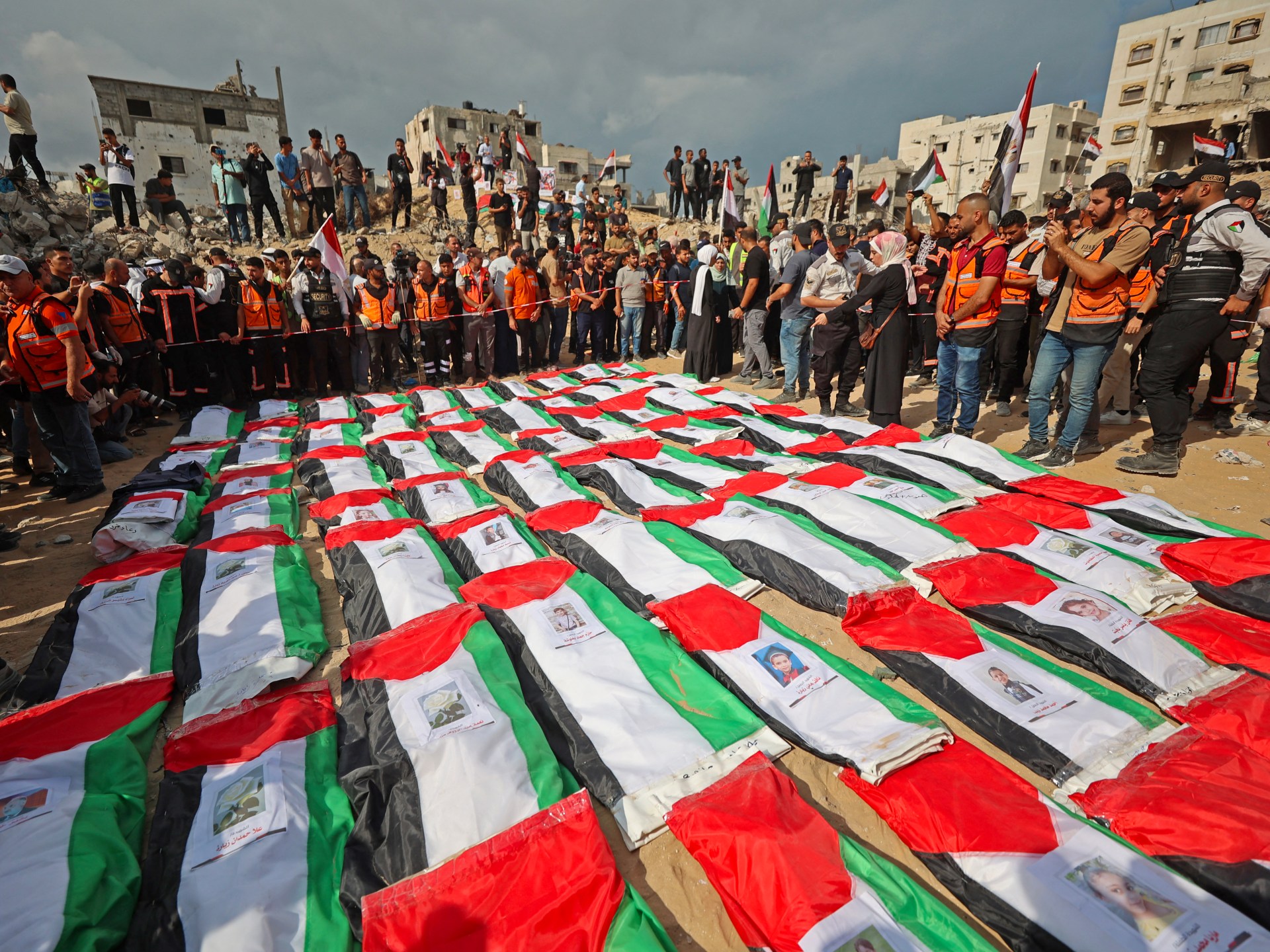
The interment of 105 bodies in a Gaza City mass grave highlights the compounding human cost of the conflict, reverberating across global diplomatic and commodity markets.
Geopolitical & Core Developments
The humanitarian catastrophe in the Gaza Strip reached a grim milestone as the remains of 105 individuals were interred in a mass funeral at the Sheikh Radwan cemetery in northwest Gaza City. The event underscores the staggering loss of life resulting from the ongoing military campaign, which has severely strained local infrastructure, medical facilities, and basic civic services. As rescue and recovery operations struggle to navigate heavily damaged urban terrain, municipal authorities and international humanitarian organizations face immense challenges in documenting casualties and providing dignified burials. The persistence of active hostilities continues to isolate the enclave, cutting off essential supplies of fuel, medical equipment, and potable water, while diplomatic channels remain deadlocked over sustainable cease-fire frameworks.
Global Trade & Economic Ripples
Beyond the immediate humanitarian devastation, the prolonged conflict exerts persistent pressure on international trade networks, particularly across the Middle East. Ongoing security concerns in the Red Sea and adjacent maritime corridors have forced major shipping lines to reroute vessels around the Cape of Good Hope, adding significant transit time and operational costs to global supply chains. Energy markets remain acutely sensitive to regional escalation risks, with crude oil benchmarks fluctuating in response to potential threats to regional production and transit chokepoints. Commodity traders and agricultural exporters are closely monitoring the broader economic spillovers, as elevated freight rates and insurance premiums drive up inflationary pressures across importing nations in Europe and Asia.
Related Intelligence: Flydubai Security Breach Shakes Middle East Aviation and Trade
International Reactions & Diplomatic Stances
International condemnation of the mounting civilian death toll has intensified across multilateral institutions. United Nations officials have repeatedly emphasized the urgent need for unhindered humanitarian access and strict adherence to international humanitarian law. Meanwhile, regional and Western governments remain deeply divided over diplomatic strategies, with some states pressing for unconditional humanitarian truces while others continue to support defensive military operations. Economic analysts and risk advisory firms note that prolonged diplomatic paralysis is eroding investor confidence in the broader Middle East, leading to cautious capital allocation and heightened risk premiums for trade financing in the region.
Strategic Outlook & Future Scenarios
Looking ahead, the trajectory of the conflict remains tightly linked to upcoming regional summits and diplomatic maneuvers involving key intermediaries such as Qatar, Egypt, and the United States. Analysts warn that failure to secure a durable cessation of hostilities could trigger broader geopolitical escalation, drawing in secondary state actors and militant networks across the Levant and the Gulf. Such a widening of the conflict would severely disrupt global commodity markets, particularly liquefied natural gas and crude oil supplies originating from the Persian Gulf. Consequently, global policymakers and corporate strategists are preparing contingency plans for protracted supply chain volatility and enduring geopolitical fragmentation.
Join Our Official WhatsApp Channel
Receive live commodity alerts, policy changes, and commercial intelligence directly on WhatsApp.