
French Education Crisis Sparks Nationwide Student Protests and Economic Anxiety
Widespread student protests across France over overcrowded classrooms and teacher shortages threaten broader economic stability and public sector productivity in the eurozone.
Geopolitical & Core Developments
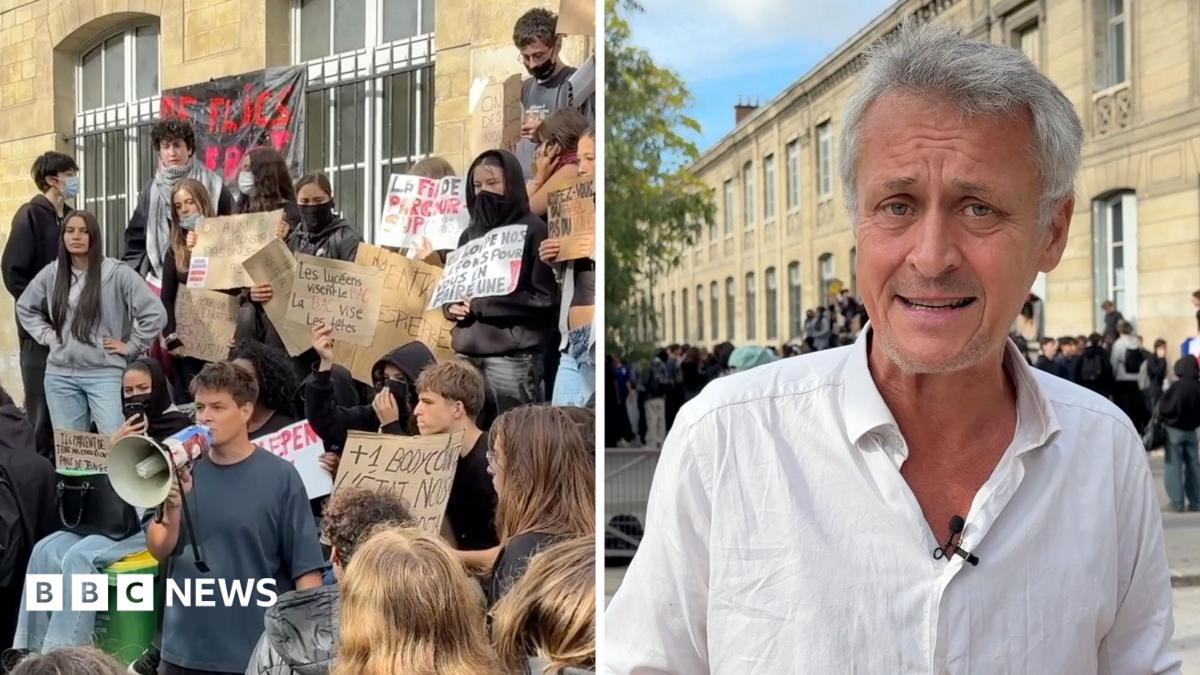
A wave of student-led protests has erupted across educational institutions in France, drawing intense national scrutiny and spotlighting deep-seated structural vulnerabilities within the country's public administration. Reporting from Paris, international correspondents note that demonstrations have intensified over chronic teacher shortages and severely overcrowded classrooms. What began as localized walkouts and blockades at high schools has rapidly evolved into a coordinated national movement, mobilizing thousands of students demanding immediate governmental intervention. The unrest poses a direct domestic challenge to the administration of President Emmanuel Macron, testing the state's capacity to manage escalating social friction while maintaining fiscal discipline.
The genesis of the crisis lies in years of systemic underfunding, attrition within the teaching profession, and contentious public sector reforms. As instructional hours are frequently cancelled and class sizes swell beyond sustainable pedagogical limits, students and teachers alike have voiced profound disillusionment with the state of public education. The government's attempts to implement administrative overhauls have repeatedly collided with fierce resistance from powerful labor unions, creating a persistent state of institutional gridlock. This latest mobilization underscores a broader crisis of governance in France, where public dissatisfaction with essential services frequently spills over into disruptive street-level protests.
Global Trade & Economic Ripples
While the demonstrations are ostensibly centered on educational grievances, the commercial and economic implications for the broader European market are significant. France represents the eurozone's second-largest economy, and prolonged social unrest inevitably exerts a corrosive effect on consumer confidence, domestic retail spending, and commercial productivity. Disruptions in major urban centers can impede local commerce, hinder logistics, and project an image of instability that affects foreign investment sentiment.
Furthermore, the fiscal strain of addressing structural deficits in public education while attempting to meet stringent European Union budgetary targets creates a difficult dilemma for French policymakers. If the government is forced to inject substantial emergency capital into the education sector to appease protestors, it may necessitate spending cuts elsewhere or adjustments to taxation policies. These shifts could ripple across domestic equity markets and influence euro valuations. Additionally, the labor unions orchestrating solidarity with the student movement have historically demonstrated the capacity to expand sectoral strikes into transportation, energy, and logistics, posing a latent threat to continental supply chains and cross-border trade corridors.
Related Intelligence: Ghana Faces Political and Economic Uncertainty After Carlos Queiroz Departure
International Reactions & Diplomatic Stances
International observers, including market analysts and trade partners, are monitoring the French domestic situation with cautious concern. While multilateral bodies such as the United Nations Educational, Scientific and Cultural Organization (UNESCO) have historically emphasized the universal right to quality education, foreign diplomatic missions in Paris are primarily assessing the security risks and potential economic spillover for expatriate businesses and international commerce.
Financial institutions in London and Frankfurt have updated their risk assessments for French sovereign debt and equities, noting that persistent social instability remains a persistent drag on the country's economic potential. Rating agencies are closely watching how the Macron administration handles the mounting pressure, as failure to reach a sustainable compromise with public sector workers could weaken the government's mandate for broader structural reforms demanded by the European Commission.
Strategic Outlook & Future Scenarios
Looking ahead, the trajectory of the French school protests will depend heavily on the executive branch's willingness to engage in substantive dialogue with student leaders and labor unions. Upcoming national legislative sessions and scheduled labor negotiations will serve as critical flashpoints. If the administration offers tangible concessions—such as accelerated recruitment timelines for educators and capital outlays for school infrastructure—the movement may gradually dissipate.
However, should the government maintain a rigid stance regarding public expenditure, the protests are projected to escalate, potentially forging alliances with broader labor coalitions. Such an escalation could paralyze key transport and public service sectors, triggering a wider socio-economic crisis that would resonate far beyond France's borders, testing the resilience of the wider European economic architecture.
Join Our Official WhatsApp Channel
Receive live commodity alerts, policy changes, and commercial intelligence directly on WhatsApp.