
Spanish PM Sanchez Triggers Early General Election After Housing Crisis Clash
Spanish Prime Minister Pedro Sanchez has called a snap election for November 29 following severe legislative defeats on critical housing market reform measures.
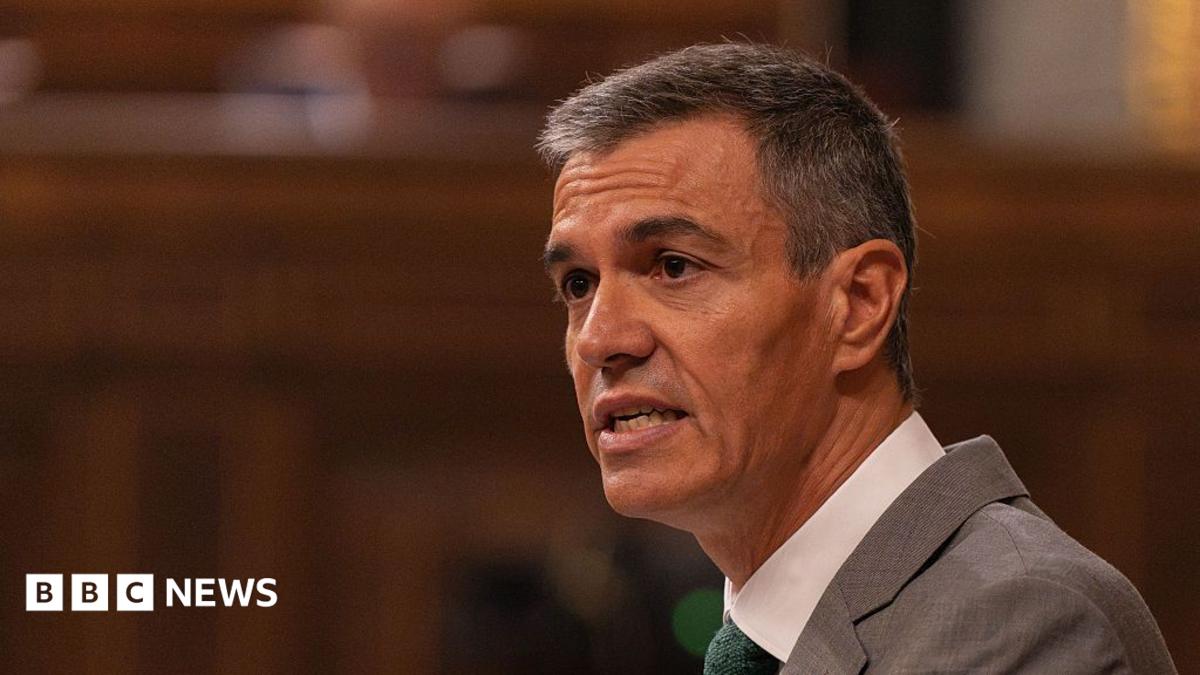
Geopolitical & Core Developments
Spanish Prime Minister Pedro Sanchez has announced a high-stakes snap general election scheduled for November 29, following a series of parliamentary defeats on crucial legislative measures aimed at defusing the nation's escalating housing crisis. The decision comes after months of mounting social unrest, characterized by widespread public protests across major urban centers including Madrid, Barcelona, and Valencia. Demonstrators have vocally decried soaring rental costs, property speculation, and the proliferation of short-term tourist rentals that have priced local residents out of metropolitan property markets.
Sanchez, leading a fragile minority coalition government, attempted to pass aggressive market interventions, including rent caps, expanded social housing mandates, and stricter taxation on vacant properties. However, intense opposition from conservative factions and the withdrawal of crucial regional partner support crippled the executive's legislative agenda. By choosing to dissolve parliament and head to the polls ahead of schedule, Sanchez is betting on a direct mandate from the electorate to bypass legislative gridlock, transforming the vote into a referendum on economic populism versus fiscal conservatism in the eurozone's fourth-largest economy.
Global Trade & Economic Ripples
The political instability in Spain carries significant ramifications for the broader European economy and international commodity markets. Spain serves as a vital logistics and commercial hub linking Western Europe with North Africa and Latin America. Prolonged domestic uncertainty risks undermining investor confidence in the Iberian financial sector, leading to potential fluctuations in Spanish sovereign debt yields and impacting broader eurozone bond markets.
Furthermore, the housing crisis intersects directly with key global commodity sectors. Construction raw materials, including European steel, timber, cement, and specialized building supplies, face volatile demand projections as domestic infrastructure and residential development projects hang in the balance. Energy markets are also reacting; commercial real estate valuations and urban development trajectories heavily influence national energy consumption and green transition timelines, particularly regarding building insulation and sustainable urban retrofitting initiatives mandated by the European Union.
Related Intelligence: Spanish Political Crisis Triggers Snap Election After Housing Reform Defeat
International Reactions & Diplomatic Stances
Brussels and major European capitals are monitoring the unfolding political crisis in Madrid with cautious concern. European Commission officials have repeatedly emphasized the necessity of structural reforms to address housing affordability across the bloc, warning that systemic urban housing shortages threaten workforce mobility and long-term economic productivity. International credit rating agencies have issued preliminary advisories indicating that prolonged political deadlock could pressure Spain's sovereign credit outlook if fiscal discipline is compromised during the electoral campaign.
Market analysts suggest that the election outcome will redefine Spain's diplomatic leverage within EU economic policy debates. A shift toward a conservative administration could signal a rollback of stringent market interventions, welcoming renewed foreign institutional investment into Spanish real estate. Conversely, a victory for progressive coalitions would likely entrench state-led regulatory frameworks, establishing a precedent for other European nations grappling with similar urban housing affordability crises.
Strategic Outlook & Future Scenarios
As Spain approaches the November 29 polling date, political polarization is expected to intensify sharply. The campaign period will likely witness fierce debates over fiscal policy, immigration, tourism management, and the balance between free-market capitalism and social welfare protections.
Looking beyond the immediate election horizon, strategic scenarios depend heavily on the formation of a stable governing coalition. A decisive majority for either major political bloc would restore legislative predictability, reassuring international trade partners and stabilizing domestic financial markets. However, if the election yields another fragmented parliament, Spain could face protracted coalition negotiations, exacerbating economic uncertainty and delaying critical structural reforms required to secure European Union post-pandemic recovery funds. Global investors and policymakers will treat Madrid as a crucial testing ground for the resilience of democratic governance amid post-pandemic inflationary pressures and urban socio-economic strain.
Join Our Official WhatsApp Channel
Receive live commodity alerts, policy changes, and commercial intelligence directly on WhatsApp.