
Karachi Factory Blaze Exposes Industrial Safety Deficits and Supply Chain Risks
A severe fire at a Karachi garment factory was contained after four hours by emergency responders, highlighting critical industrial safety and supply chain vulnerabilities in Pakistan's commercial hub.
The Core Development
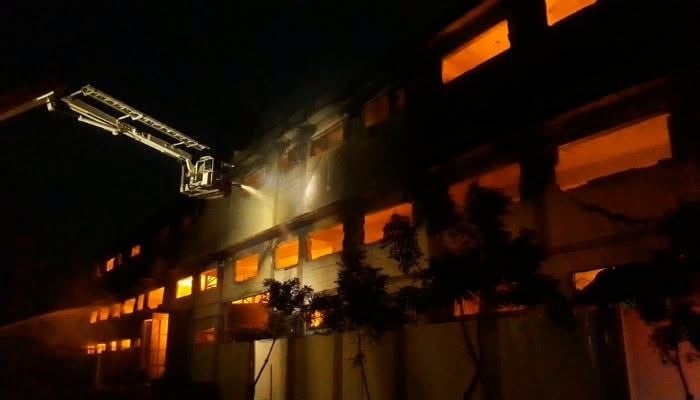
A major industrial fire broke out at a prominent garment manufacturing facility in Karachi, testing the operational readiness of the city's emergency services. The blaze, which required a grueling four-hour firefighting effort, originated in the primary production bays before rapidly escalating to the second floor. According to Chief Fire Officer Humayun Khan, the rapid vertical expansion of the fire was fueled by extensive stocks of plastic granules and raw packaging materials stored on the upper level, which violated standard compartmentalization protocols for textile units.
Multiple fire tenders, snorkel vehicles, and water tankers were deployed from various stations across the metropolis to establish a perimeter and prevent the flames from spreading to adjacent commercial warehouses in the densely packed industrial zone. Firefighters faced significant hurdles due to low water pressure in municipal hydrants and congested access routes, which delayed initial containment efforts. Despite the structural collapse of portions of the upper floor and intense heat that hampered internal entry, rescue officials confirmed that no casualties or serious injuries were recorded, largely due to the incident occurring during a shift transition when fewer personnel were inside the hazard zone. Cooling operations extended well into the night to prevent reignition from smoldering synthetic materials.
Commercial & Economic Implications
While the avoidance of human loss remains a critical relief, the incident deals a severe blow to local textile supply chains and wholesale distribution networks in Pakistan. The affected facility operated as a key node in the regional apparel manufacturing ecosystem, supplying finished garments to major domestic retail markets and contributing to export-oriented subcontracting chains. The immediate destruction of inventory, specialized sewing machinery, and raw inputs will create localized supply bottlenecks, driving up wholesale prices for ready-made garments ahead of the peak buying season.
Furthermore, the storage of combustible plastic granules within a textile facility underscores a persistent structural vulnerability in Pakistan's manufacturing sector: the dangerous amalgamation of diverse industrial materials under inadequate regulatory oversight. This incident threatens to inflate insurance premiums for industrial units across Karachi's industrial estates, as underwriters re-evaluate risk profiles in zones plagued by substandard compliance. Retailers reliant on consistent output from mid-tier manufacturing units now face delivery delays, forcing them to seek alternative suppliers at higher costs, which could ultimately feed into broader retail inflation metrics.
Related Intelligence: Brazil Presidential Showdown Grips Global Markets and Geopolitics
Stakeholder Perspectives & Market Reactions
Trade bodies and industrial associations have expressed deep concern over the recurring pattern of safety code violations in Pakistan's manufacturing hubs. Representatives from local chambers of commerce pointed to the lack of mandatory, periodic safety audits by municipal authorities as a primary systemic failure. While factory management maintained that temporary storage protocols complied with operational needs, independent safety experts and labor rights advocates argue that lax enforcement by provincial labor and building control departments continues to endanger urban industrial zones.
Legal analysts note that while the absence of fatalities shields the enterprise from severe criminal negligence charges under industrial labor laws, civil liability regarding damage to neighboring properties remains a distinct possibility. Public response has once again highlighted the precarious state of urban disaster management in Karachi, with civil society groups demanding a comprehensive judicial commission to review fire safety compliance across all major industrial parks in Sindh.
Forward Outlook & Key Watchpoints
In the wake of this disaster, municipal and provincial authorities face mounting pressure to initiate rigorous safety inspections across all manufacturing and storage facilities in Karachi. Key watchpoints for the coming weeks include the official forensic report to determine the exact electrical or mechanical origin of the spark, potential punitive actions against zoning violations, and the enforcement of stricter stock limits for flammable polymers in non-chemical factories.
For investors and industry stakeholders, the incident serves as an urgent reminder to upgrade internal risk management frameworks. Regulatory bodies are expected to announce a zero-tolerance policy regarding blocked emergency exits and improper chemical storage, though the true test will lie in sustained, unannounced enforcement rather than temporary crackdowns. Until structural reforms take root, the commercial sector remains vulnerable to similar disruptions that threaten both capital assets and macroeconomic stability.
Join Our Official WhatsApp Channel
Receive live commodity alerts, policy changes, and commercial intelligence directly on WhatsApp.