
French School Protests Spark National Crisis and Market Jitters
Escalating student protests across France over deteriorating educational conditions have triggered mass detentions and nationwide transport disruptions, threatening broader European economic stability.
Geopolitical & Core Developments
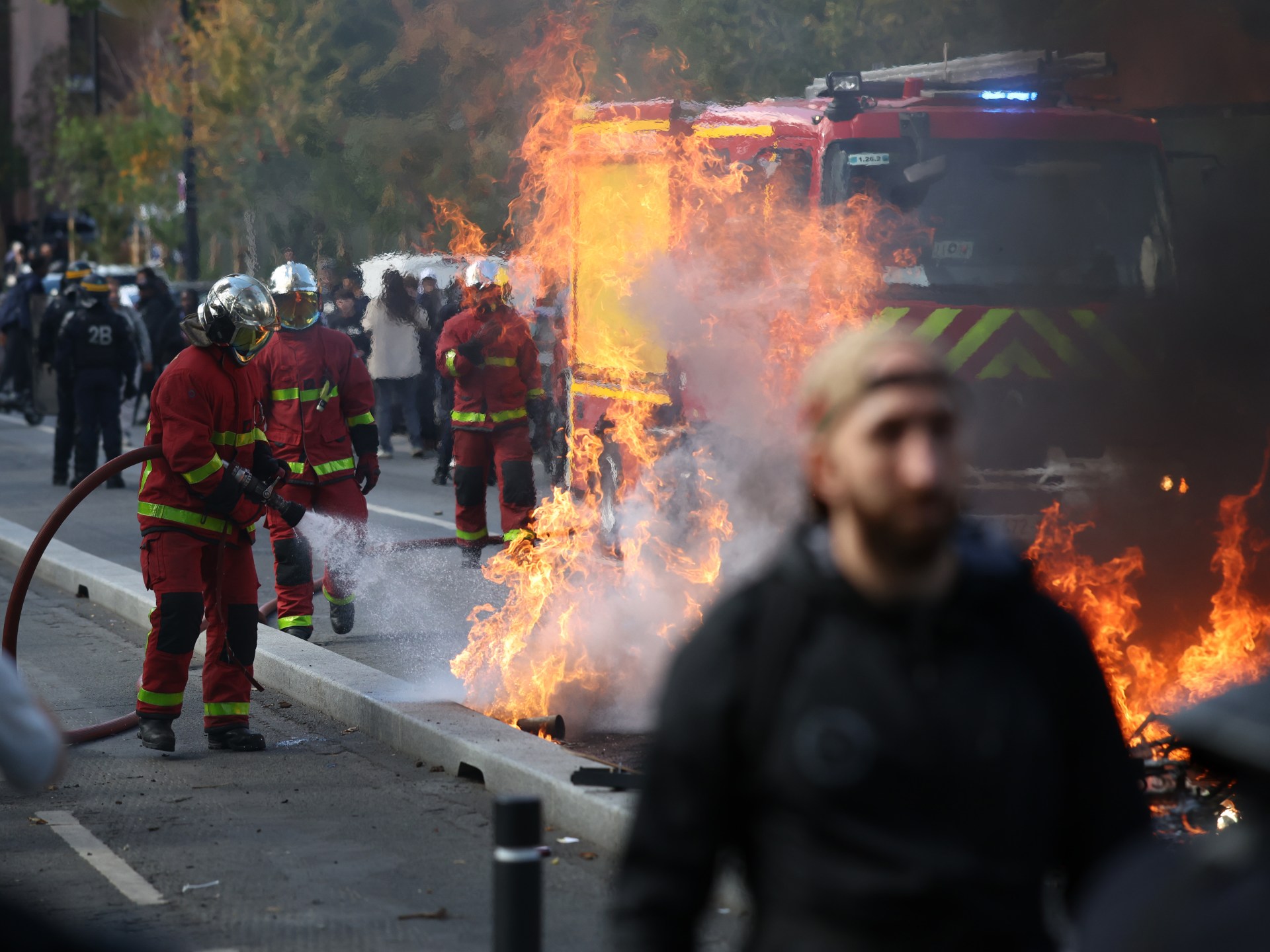
A wave of unprecedented student-led protests has swept across France, transforming localized grievances over educational funding into a profound national crisis. Driven by chronic teacher shortages, critically overcrowded classrooms, and crumbling school infrastructure, tens of thousands of high school and university students have taken to the streets. What began as peaceful demonstrations in major urban centers quickly escalated into widespread civil unrest, marked by burning barricades, traffic blockades, and intense clashes with security forces. French law enforcement agencies have responded with heavy-handed containment measures, resulting in the mass detention of hundreds of participants.
The domestic turmoil poses a severe political test for the administration of President Emmanuel Macron. Already grappling with a fractured parliament and deep-seated public discontent over pension reforms and the rising cost of living, the government now faces a multi-front challenge to public order. State actors and domestic opposition parties are closely monitoring the executive branch's handling of the crisis, questioning the efficacy of current public sector spending and institutional reforms. The crisis highlights the deepening structural strains within Western European democracies, where post-pandemic fiscal tightening collides with soaring public expectations for essential social services.
Global Trade & Economic Ripples
While ostensibly rooted in domestic education policy, the sustained unrest in France carries significant implications for global trade, European logistics, and financial markets. The blockade of major transport arteries, commercial distribution hubs, and transit networks has begun to snarl regional supply chains, causing delays in freight forwarding and intra-European commerce. Paris and other key economic zones serve as vital transit corridors for Western European manufacturing and consumer goods; prolonged disruptions threaten to hamper efficient cross-border distribution.
International commodity markets and currency traders are closely tracking the situation for signs of broader contagion. Investor sentiment toward French sovereign debt and the euro has experienced heightened volatility as markets weigh the risk of prolonged social instability. Any escalation that impacts labor productivity or forces emergency fiscal expenditures could pressure French bond yields, widening spreads within the euro-zone and prompting cautious reassessments by institutional investors regarding the bloc's macroeconomic resilience.
Related Intelligence: French Student Protests Trigger Crisis Meetings and Commercial Uncertainty
International Reactions & Diplomatic Stances
The unfolding crisis in France has drawn attentive glances from international observers, multilateral bodies, and neighboring European capitals. While foreign governments have largely framed the protests as an internal domestic matter, European Union officials are monitoring the situation with underlying concern regarding regional stability. Human rights organizations and civil liberties watchdogs have expressed apprehension over the heavy policing tactics employed during the demonstrations, calling for restraint and the protection of the right to peaceful assembly.
Global market analysts and credit rating agencies have issued cautious advisories, noting that persistent domestic turmoil could undermine France's economic competitiveness and fiscal consolidation targets. Foreign diplomatic missions in Paris have updated travel advisories, warning international business travelers and tourists of widespread disruptions, which could temporarily dampen the country's vital tourism and hospitality sectors.
Strategic Outlook & Future Scenarios
As the crisis enters a critical phase, the trajectory of the French student movement will depend heavily on the government's willingness to negotiate substantive structural reforms versus its commitment to restoring immediate public order. Upcoming national labor union meetings and potential sympathy strikes threaten to merge the student grievances with broader industrial unrest, potentially paralyzing transportation, energy distribution, and public administration sectors.
Looking ahead, the administration must navigate a delicate political landscape to prevent further escalation. Failure to address the root causes of public sector decay risks institutionalizing civil disobedience, tarnishing the nation's international standing as a stable hub for foreign investment, and signaling broader vulnerabilities in the governance of core European economies ahead of critical upcoming EU legislative cycles.
Join Our Official WhatsApp Channel
Receive live commodity alerts, policy changes, and commercial intelligence directly on WhatsApp.