
Algeria Arson Death Penalty Bill Sparks Global Concern
Algeria's lower house has passed a contentious bill mandating the death penalty for forest arson, drawing severe backlash from human rights groups alleging political repression.
Geopolitical & Core Developments
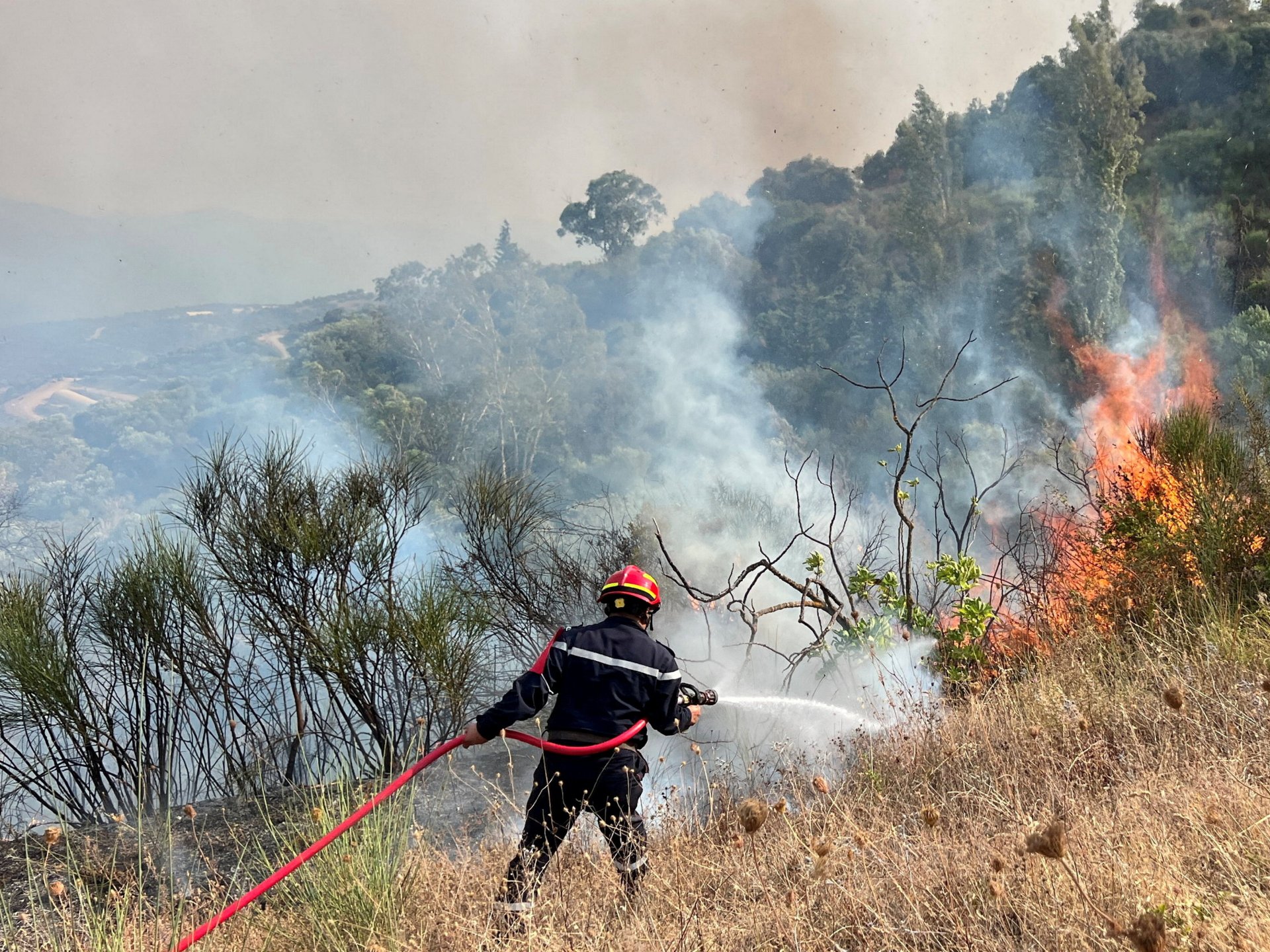
The People's National Assembly of Algeria has officially approved a controversial legislative package that mandates capital punishment for individuals convicted of starting forest fires. The bill, advanced swiftly through the lower house of parliament, comes in the wake of devastating seasonal wildfires that have ravaged northern forested regions over recent years, resulting in severe ecological degradation and substantial loss of life. State authorities frame the draconian measure as an essential security deterrent designed to safeguard national infrastructure, ecological reserves, and public safety against intentional sabotage.
However, the legislation has immediately ignited a fierce domestic and international debate. State security apparatuses maintain that stringent penalties are required to combat coordinated acts of environmental terrorism. Conversely, civil liberties advocates argue that the legislation's broad definitions and severe penalties create a dangerous legal framework that can be easily manipulated by state actors to suppress dissent. The timing of the bill's passage, coinciding with an intensified crackdown on civic space, has transformed an environmental policy into a high-stakes geopoliticalflashpoint within the Maghreb region.
Global Trade & Economic Ripples
While ostensibly focused on environmental protection, the legislative shift carries notable implications for commercial actors, foreign investors, and supply chain operators across North Africa. Algeria remains a critical global supplier of natural gas, petrochemicals, and vital agricultural commodities to European markets. Increased legal friction, heavy-handed regulatory enforcement, and heightened political instability directly threaten the operational continuity of foreign energy consortiums operating within the country's interior.
Commodity markets remain acutely sensitive to any domestic turbulence in North Africa that could potentially disrupt hydrocarbon flows through transnational pipelines such as the Trans-Mediterranean and Medgaz systems. Furthermore, heightened state control and the potential for politically motivated legal actions against corporate personnel introduce a severe risk premium for foreign direct investment. Global shipping insurers and trade analysts are closely monitoring how the enforcement of such sweeping criminal laws might impact labor relations, industrial productivity, and the broader business climate in key Mediterranean export hubs.
Related Intelligence: Sharif-Trump UNGA Encounter Signals Fresh Diplomatic Engagement
International Reactions & Diplomatic Stances
Global watchdogs and multilateral human rights organizations have leveled sharp criticisms against the Algerian administration. Prominent international bodies, including Amnesty International and Human Rights Watch, issued joint statements condemning the reintroduction and expansion of the death penalty under ambiguous legal pretexts. These organizations accuse Algiers of utilizing environmental protection as a convenient geopolitical veil to criminalize peaceful political opposition, silence independent journalists, and dismantle remaining civil society networks.
Diplomatic representatives from several European Union member states have expressed quiet apprehension behind closed doors, though official pronouncements remain measured to avoid destabilizing crucial bilateral energy partnerships. Brussels continues to walk a diplomatic tightrope, balancing its stated commitment to universal human rights standards against its pressing strategic imperative to secure reliable non-Russian natural gas supplies from North African producers ahead of peak seasonal demand cycles.
Strategic Outlook & Future Scenarios
As the legislation advances toward final approval in the upper house of parliament, the trajectory of Algeria's domestic political landscape appears increasingly fraught. The consolidation of executive power through punitive legal instruments signals a hardening stance by the state against internal dissent, pointing toward prolonged political polarization.
Upcoming diplomatic engagements between Algiers and European capitals will likely test the resilience of bilateral economic ties. Should international pressure mount regarding human rights abuses, Algerian authorities may respond with diplomatic defiance, potentially jeopardizing collaborative security frameworks in the Sahel and Mediterranean basins. For global traders and multinational corporations, navigating the Algerian market will require heightened due diligence, robust risk mitigation strategies, and constant surveillance of evolving regulatory interpretations in an increasingly unpredictable geopolitical environment.
Join Our Official WhatsApp Channel
Receive live commodity alerts, policy changes, and commercial intelligence directly on WhatsApp.