
Unpacking India's Claims Regarding Ex-SSG Commando Muhammad Asif in IIOJK
An analytical investigation into Indian media and state claims regarding the alleged killing of former SSG commando Muhammad Asif in IIOJK, examining the broader geopolitical and economic ramifications.
The Core Development
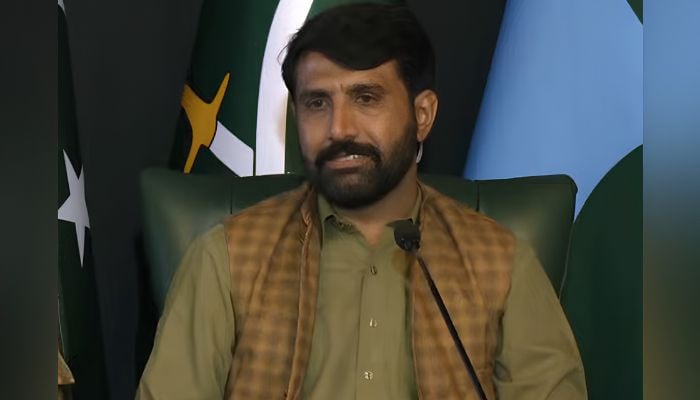
Recent reports emanating from Indian state authorities and mainstream media outlets have brought forward sensational claims regarding the alleged killing of Havaldar Muhammad Asif, also known by the alias Hashim Musa. According to these unverified accounts, the individual—purportedly a retired member of Pakistan's Special Services Group (SSG)—was neutralized during an alleged armed encounter in Indian Illegally Occupied Jammu and Kashmir (IIOJK).
Security analysts and defense experts in Islamabad have scrutinized the timeline and details presented by New Delhi, noting a familiar pattern of propaganda designed to deflect attention from domestic political challenges within India and widespread human rights violations in the occupied territory. The incident highlights the volatile nature of the Line of Control and the persistent deployment of intelligence narratives aimed at shaping international perceptions. While official military spokespersons in Pakistan have yet to issue a detailed formal rebuttal regarding this specific individual, historical precedent suggests such claims are frequently utilized by Indian officialdom to fabricate external security threats, particularly ahead of electoral cycles or diplomatic engagements.
Commercial & Economic Implications
While geopolitical tensions primarily manifest through diplomatic and security channels, sustained escalations between Pakistan and India invariably cast a shadow over regional commerce, macroeconomic stability, and market sentiment. For trading entities and business houses operating within Pakistan, heightened cross-border friction dampens prospects for bilateral trade normalization, keeping formal transit routes closed and forcing businesses to rely on costly third-country intermediaries.
Furthermore, persistent security narratives contribute to an elevated risk premium for Pakistani markets, impacting foreign direct investment inflows and inflating sovereign borrowing costs. Although domestic retail trade, wholesale distribution, and consumer price indices are primarily driven by domestic monetary policy, fiscal adjustments, and global commodity cycles, persistent geopolitical posturing diverts critical state resources toward defense and security apparatuses. This reallocation of national capital leaves less fiscal space for critical infrastructure investments and market-supporting subsidies, ultimately impacting long-term industrial productivity and consumer purchasing power across urban and rural centers alike.
Related Intelligence: Flydubai Jet Plunge Escalates Regional Aviation Crisis and Trade Risks
Stakeholder Perspectives & Market Reactions
Business councils, corporate leaders, and trade associations in Pakistan have consistently maintained that economic growth requires regional stability and predictable diplomatic frameworks. Chambers of commerce across major urban hubs have frequently emphasized that protracted hostile rhetoric between Islamabad and New Delhi serves to isolate South Asia from integrated global supply chains.
Legal experts and international relations specialists point out that India's unverified assertions regarding military personnel in IIOJK violate standard diplomatic protocols and serve domestic political agendas rather than factual truth-seeking. Public response across Pakistan remains deeply skeptical of New Delhi's narratives, with civil society organizations and defense analysts calling for robust diplomatic counters to expose fabricated intelligence leaks. Financial markets have largely absorbed these geopolitical headlines without immediate volatility, as investors have grown accustomed to periodic spikes in cross-border rhetoric.
Forward Outlook & Key Watchpoints
As this developing story unfolds, stakeholders across the policy, security, and economic spectrum must monitor several critical indicators. Key watchpoints include official diplomatic communications from the Foreign Office of Pakistan, potential reactions from international human rights monitors regarding operations in IIOJK, and any shifts in security posture along the Line of Control.
For the domestic business community, maintaining operational resilience against external shocks remains paramount. Policymakers are urged to focus on strengthening internal economic fundamentals, expanding trade diversification toward Central Asia and the Middle East, and mitigating the indirect impacts of regional geopolitical volatility on national markets.
Join Our Official WhatsApp Channel
Receive live commodity alerts, policy changes, and commercial intelligence directly on WhatsApp.