
Ghana Faces Political and Economic Uncertainty After Carlos Queiroz Departure
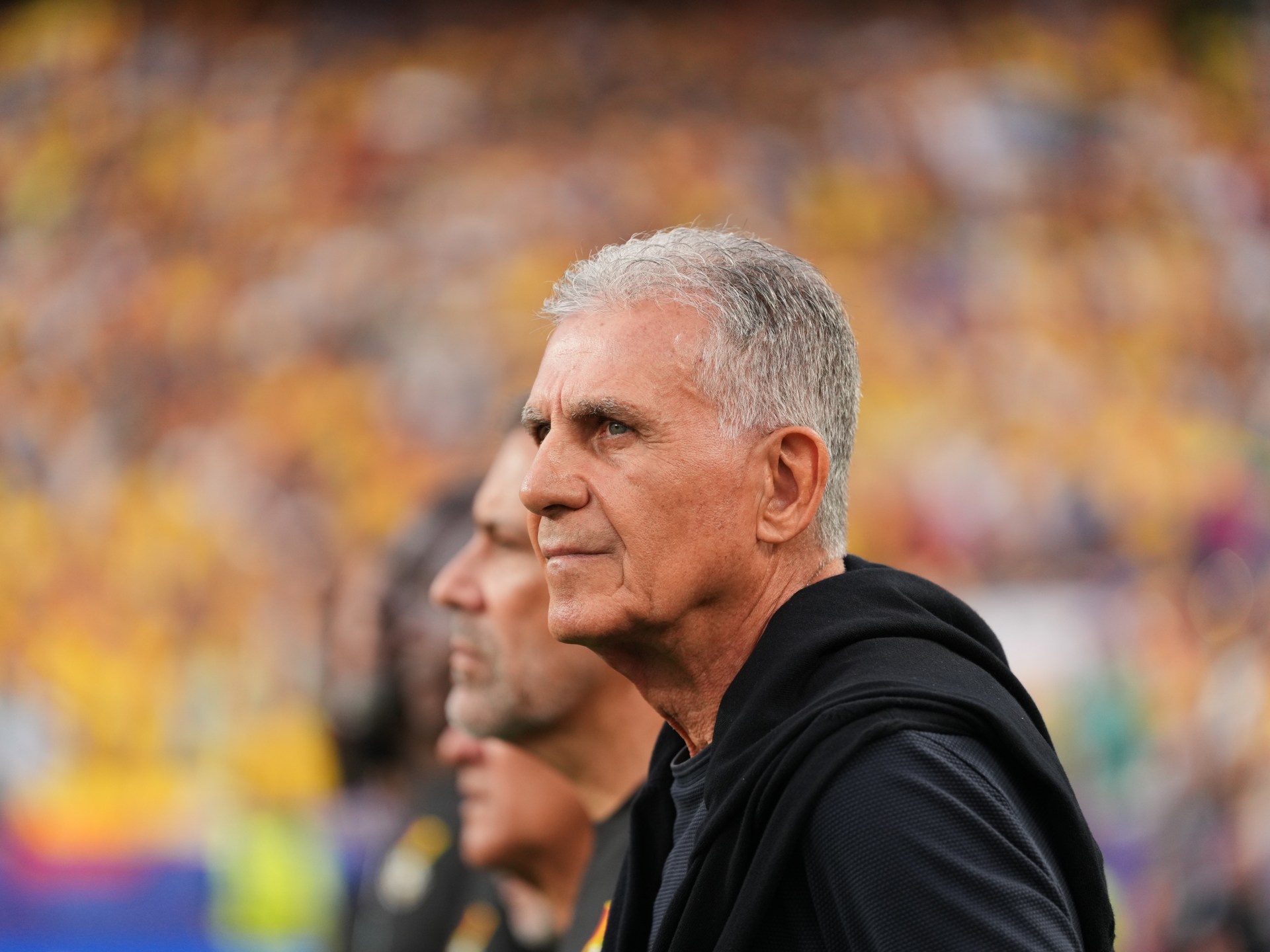
Carlos Queiroz has resigned as Ghana's national football coach following disastrous AFCON qualifying defeats, triggering widespread economic and diplomatic anxieties across West Africa.
Geopolitical & Core Developments
The sudden resignation of veteran Portuguese coach Carlos Queiroz from the helm of Ghana's national football team has transcended the realm of sports, evolving into a significant domestic crisis with regional geopolitical implications. Reappointed on September 2 with a mandate to restore the Black Stars to continental dominance, Queiroz's tenure collapsed precipitously following two consecutive defeats in the preliminary rounds for the 2027 Africa Cup of Nations (AFCON). The losses have exposed deep structural fractures within the Ghana Football Association (GFA) and triggered intense scrutiny from state authorities regarding institutional governance, resource allocation, and public expenditure.
In West Africa, where national athletics serve as a primary vehicle for state prestige and soft power diplomacy, the leadership vacuum at the highest levels of sports administration reverberates through government corridors. The Ministry of Youth and Sports now faces immense pressure from legislative committees to institute comprehensive reforms. This administrative turmoil coincides with a delicate period for Accra, which is navigating complex macroeconomic stabilization programs alongside broader regional security challenges within the Economic Community of West African States (ECOWAS) bloc. The destabilization of high-visibility national institutions risks undermining public confidence in state capacity at a time when regional stability remains paramount.
Global Trade & Economic Ripples
While sporting management changes rarely trigger immediate macroeconomic shocks, the broader commercial ecosystem surrounding international football in emerging markets bears substantial economic weight. Ghana remains a critical anchor economy in West Africa, heavily integrated into global supply chains for cocoa, gold, and nascent oil and gas reserves. Major multinational corporations, financial institutions, and global consumer brands—many of which commit millions of dollars in sponsorship and marketing capital tied to the national team—are recalibrating their regional exposure following the abrupt leadership collapse.
The uncertainty surrounding the GFA's administrative competence directly affects foreign direct investment (FDI) inflows dedicated to sports infrastructure, hospitality, and tourism. International broadcast partners and commercial sponsors are re-evaluating contractual commitments, noting that sporting instability can diminish consumer engagement and retail spending in urban centers like Accra and Kumasi. Furthermore, currency markets closely monitor political and institutional stability in emerging economies; any prolonged domestic distraction fueled by sports governance failures can indirectly dampen investor sentiment, exerting subtle downward pressure on the Ghanaian cedi against major international currencies.
Related Intelligence: Cristiano Ronaldo Departure Shakes Portuguese Camp Amid Global Sports Industry Focus
International Reactions & Diplomatic Stances
Global sports governing bodies, including FIFA and the Confederation of African Football (CAF), have expressed cautious concern over the recurring administrative friction within West African football associations. International sports analysts note that frequent coaching turnovers and boardroom disputes compromise the continent's commercial competitiveness on the global stage. Diplomatic missions stationed in Accra have similarly briefed their respective foreign ministries on the domestic fallout, viewing public discontent over the national team's performance as a barometer of broader socio-economic frustrations among the urban youth demographic.
Economic analysts and credit rating agencies emphasize that institutional resilience across all state-backed sectors is vital for maintaining investor confidence. Multilateral development partners monitoring structural adjustment programs in Ghana have privately urged transparency in public funding allocated to national athletic programs, warning that fiscal indiscipline in sports management can compromise broader national development goals.
Strategic Outlook & Future Scenarios
As Ghana navigates the immediate aftermath of Queiroz's departure, the trajectory of the national team and its administrative oversight will depend heavily on the GFA's next appointments. Stakeholders anticipate an exhaustive, transparent search for a successor capable of navigating both high-performance athletic demands and complex stakeholder politics. Upcoming regional sports summits and CAF executive meetings will serve as critical forums where Accra must demonstrate renewed institutional stability to retain its standing as a premier destination for international sporting events and commercial partnerships. Failure to implement rigorous governance reforms risks deepening public disillusionment and discouraging vital foreign capital deployment in the nation's broader entertainment and leisure economy.
Join Our Official WhatsApp Channel
Receive live commodity alerts, policy changes, and commercial intelligence directly on WhatsApp.