
French School Shooting Triggers Heightened Security Concerns Across Western Europe
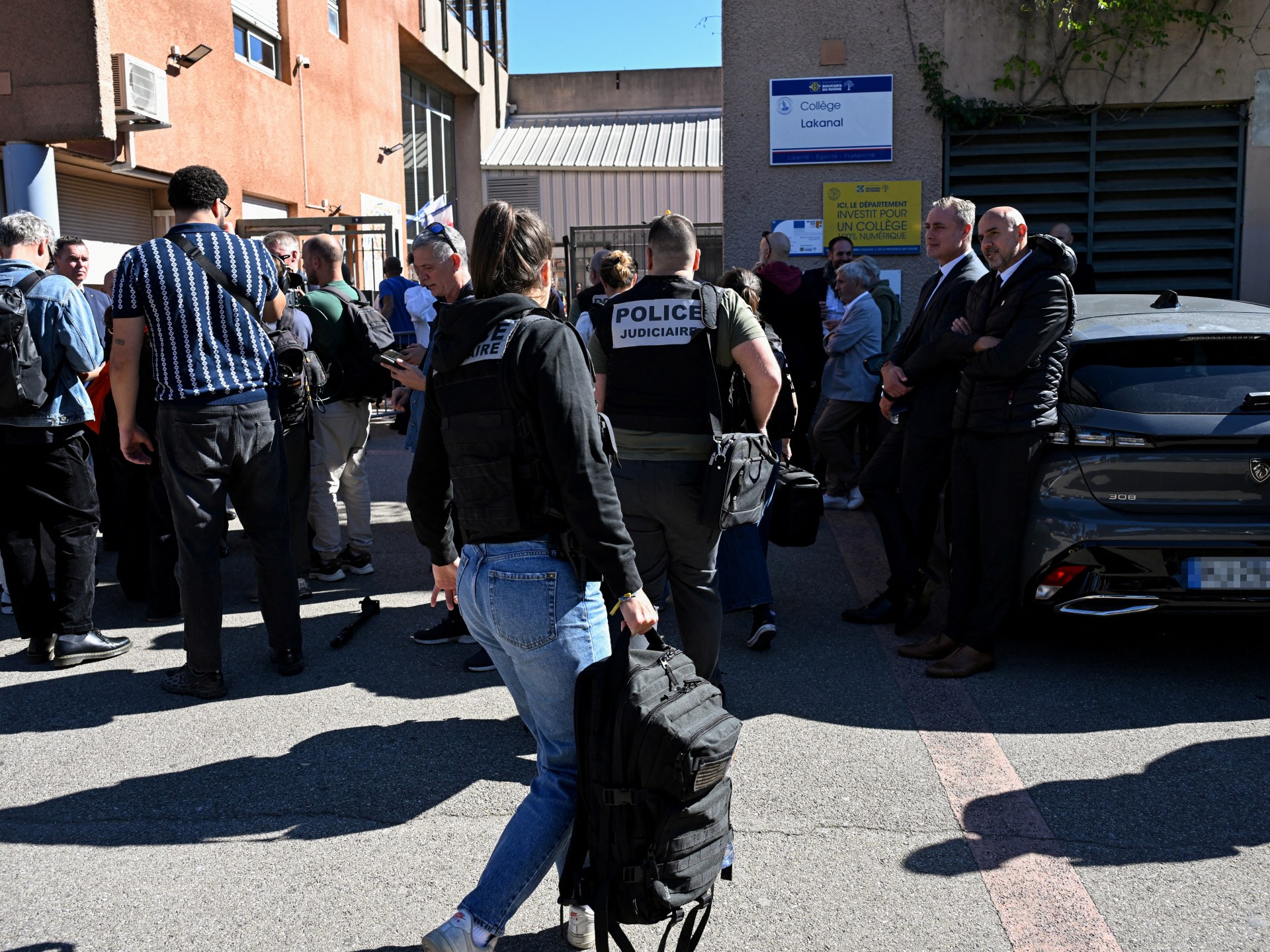
French authorities have detained a student following a shooting at a school that left two people injured. The incident has intensified domestic security debates across Western Europe.
Geopolitical & Core Developments
A severe security breach unfolded within France's educational infrastructure after a student opened fire at a secondary school, injuring two individuals before being restrained by school personnel and detained by law enforcement. According to official preliminary reports, the assailant concealed a hunting shotgun inside a guitar case to bypass institutional perimeters, avoiding immediate detection before entering the facility.
The swift intervention of a staff member prevented further casualties prior to the arrival of elite national police units, who subsequently secured the perimeter and placed the suspect under judicial custody. French judicial authorities and the Ministry of the Interior immediately initiated a formal inquiry into attempted homicide, directing state intelligence services to assess potential ideological motivations, radicalization networks, or localized grievances driving the attack. This violent breach intersects with a precarious domestic landscape in France, where social cohesion, systemic public safety concerns, and the efficacy of internal intelligence gathering remain under intense scrutiny from both legislative factions and international observers.
Global Trade & Economic Ripples
While direct physical damage remained localized to the educational institution, localized violence within core European Union economies produces immediate systemic reverberations across sovereign risk assessments, insurance markets, and operational expenditures for international enterprises. Heightened domestic threat levels within France routinely compel state authorities to reinforce Operation Sentinelle and elevate national security alerts, an outcome that diverts state budgetary resources toward domestic policing and public infrastructure surveillance.
From a trade and supply chain perspective, elevated municipal security postures in metropolitan French regions introduce friction into transportation hubs, intermodal logistics networks, and border corridors. Sustained domestic instability or perceived security degradation within core European nations can temporarily pressure the euro currency against reserve assets such as the US dollar and Swiss franc. Furthermore, institutional investors monitoring European sovereign debt increasingly evaluate social stability and domestic security metrics as key determinants of broader macroeconomic resilience and sovereign bond yield stability.
Related Intelligence: Egypt-Sudan Border Air Strikes Threaten Regional Stability and Gold Supply
International Reactions & Diplomatic Stances
European counterparts and multilateral institutions registered immediate concern, reiterating solidarity with French administrative authorities while evaluating the incident through the lens of collective European internal security frameworks. Diplomatic missions stationed in Paris updated consular guidance, advising foreign personnel and expatriate communities to maintain vigilance across public venues.
Ministries of the Interior across neighboring jurisdictions, including Germany, Belgium, and Italy, monitor the French judicial proceedings closely to evaluate cross-border firearms smuggling vulnerabilities. Multilateral intelligence exchanges under the auspices of Europol and the European Union Agency for Law Enforcement Cooperation have increasingly prioritized tracking illicit access to civilian-grade hunting weaponry and modified firearms, emphasizing the risk posed by decentralized, low-tech methodology in public spaces.
Strategic Outlook & Future Scenarios
In the near term, the French National Assembly is expected to face renewed pressure to tighten domestic firearm ownership legislation and mandate advanced surveillance installations across municipal and secondary educational institutions. Such measures will likely intensify ongoing fiscal debates surrounding internal security expenditures versus social spending allocations.
Looking forward, failure to reassure public sentiment could exacerbate political polarization, providing momentum to hardline opposition parties ahead of upcoming parliamentary and local electoral cycles. On the wider continental stage, Western European governments will likely coordinate more closely on counter-radicalization monitoring and defensive physical infrastructure standards, seeking to mitigate domestic security vulnerabilities capable of unsettling regional market stability.
Join Our Official WhatsApp Channel
Receive live commodity alerts, policy changes, and commercial intelligence directly on WhatsApp.