
Egypt-Sudan Border Air Strikes Threaten Regional Stability and Gold Supply
Deadly air raids targeting gold miners near the Egypt-Sudan border have escalated cross-border security concerns, threatening illicit and formal gold trade routes while heightening direct geopolitical friction in Northeast Africa.
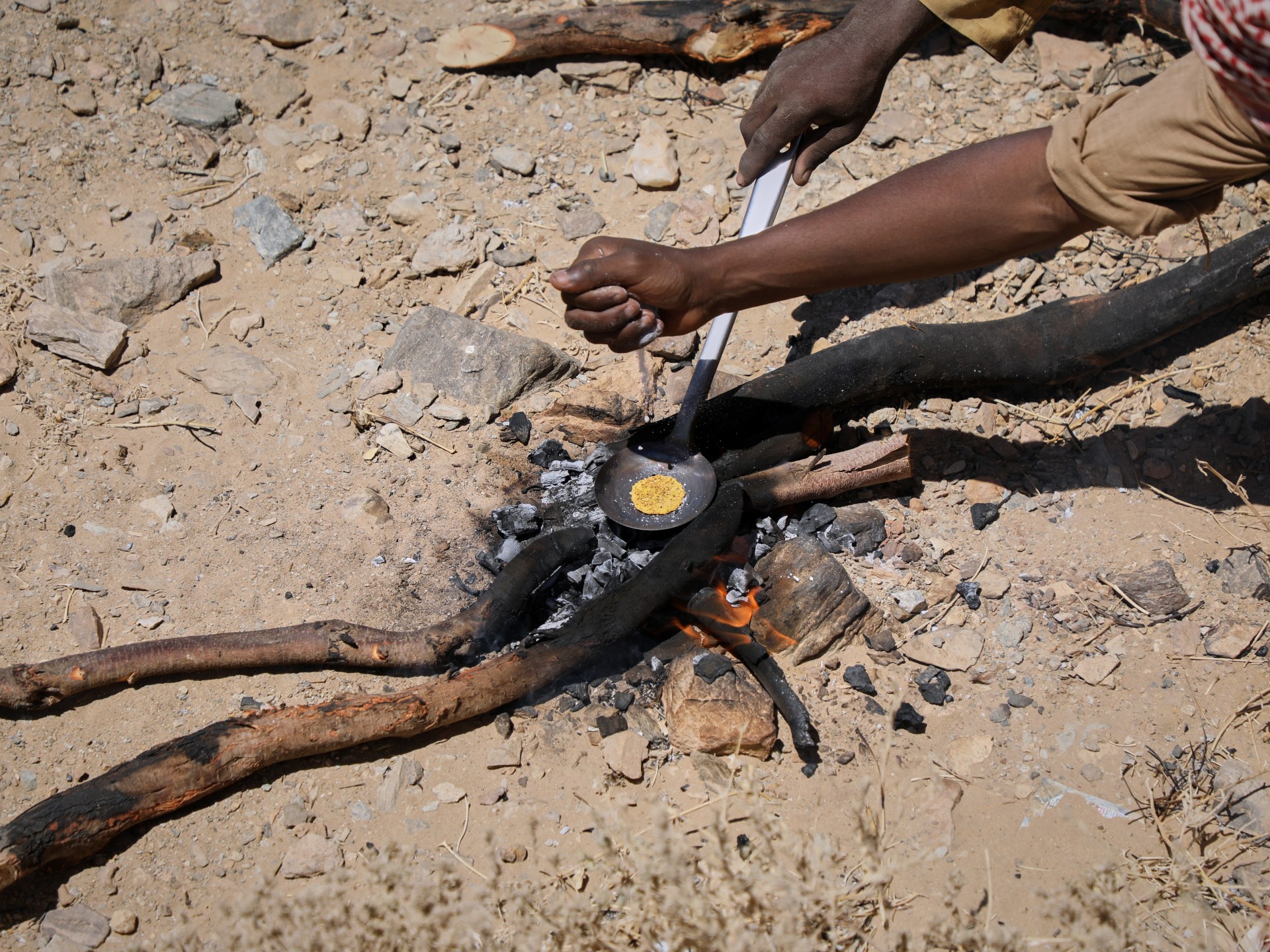
Geopolitical & Core Developments
A series of lethal air strikes targeting artisanal gold mining encampments along the ill-defined Egypt-Sudan frontier has thrown regional security dynamics into sharp relief. The strikes, which hit operations in remote desert corridors, killed dozens of civilian miners and informal laborers. While official attribution remains contested, military observers point to ongoing aerial campaigns conducted amid Sudan's broader civil conflict, which pits the Sudanese Armed Forces (SAF) against the paramilitary Rapid Support Forces (RSF).
The frontier zone between southern Egypt and northern Sudan has historically functioned as a largely ungoverned corridor dominated by nomadic communities, artisanal miners, and cross-border smugglers. However, the intensification of Sudan's war since April 2023 has transformed this mineral-rich borderland into a strategic rear base and a vital revenue engine. Both belligerent factions, alongside independent tribal militias, rely heavily on illicit gold extraction to finance weapons procurement, pay mercenary salaries, and maintain logistics lines. The expansion of kinetic operations to these northern extraction sites indicates an expanding operational perimeter, eroding the precarious buffer that had previously insulated Egypt's southern boundary from the full brunt of the Sudanese theater.
Global Trade & Economic Ripples
The immediate commercial consequence of border militarization centers on Northeast Africa's gold supply chains. Sudan is historically one of Africa's top gold producers, with informal artisanal output representing the bulk of national yields. The border strikes have halted operations at several major wash plants and artisanal pits, choking regional overland transit routes that feed gold into processing hubs across North Africa and the United Arab Emirates.
International bullion markets are increasingly sensitive to provenance compliance and sanctions risks associated with conflict minerals. As kinetic strikes disrupt production, premium pricing on vetted, ethically sourced physical gold is expected to firm, while illicit discount markets absorb heightened maritime and transit risk margins. Concurrently, regional freight costs have surged as logistics operators divert cargo convoys away from the Red Sea-adjacent interior corridors toward more secure Egyptian littoral roads, exacerbating already strained supply chains across East Africa.
Related Intelligence: Iran-Saudi Talks on Yemen Signal Strategic Pivot Amid Red Sea Disruptions
International Reactions & Diplomatic Stances
Mobilization along the border has prompted urgent security assessments in Cairo. Egyptian authorities have reinforced border posts, expressing grave concern over spillover effects while maintaining diplomatic channels with Sudan's military leadership. Regional diplomats note that Egypt remains wary of border destabilization that could trigger massive refugee flows and empower non-state armed actors along its southern flank.
Multilateral bodies, including the United Nations Panel of Experts on Sudan and the African Union, have reiterated calls for immediate ceasefires in contested resource extraction areas. Independent humanitarian monitors and human rights organizations have condemned the targeting of civilian miners, underscoring that unregulated laborers bear the physical cost of warring factions competing for extractive dominance. Meanwhile, Western regulatory bodies are reviewing trade documentation frameworks to prevent bullion extracted from contested Sudanese zones from entering the formal global banking architecture.
Strategic Outlook & Future Scenarios
The tactical trajectory points toward continued volatility in the border periphery. If air operations persist, informal mining networks will likely disperse further into sovereign Egyptian territory or migrate westward toward Chad and Libya, potentially internationalizing local skirmishes. Cairo faces a delicate balance: it must secure its southern economic and security perimeter without becoming overtly entangled in kinetic operations inside Sudanese territory.
In the coming months, international attention will center on prospective diplomatic rounds brokered by regional partners, though prospects for durable stabilization remain dim without a comprehensive political settlement. Should border combat disrupt the Nile Basin trade infrastructure or trigger retaliatory cross-border militia raids, international commodity buyers and regional states will be forced to reckon with structural instability at the nexus of the Sahara, the Nile, and the Red Sea.
Join Our Official WhatsApp Channel
Receive live commodity alerts, policy changes, and commercial intelligence directly on WhatsApp.