
Pope Leo Scheduled for Lung Surgery in Rome Ahead of Latin America Tour
Pope Leo will undergo surgery in Rome to remove a lung nodule, prompting brief diplomatic pauses as the Holy See prepares for his scheduled Latin America tour.
Geopolitical & Core Developments
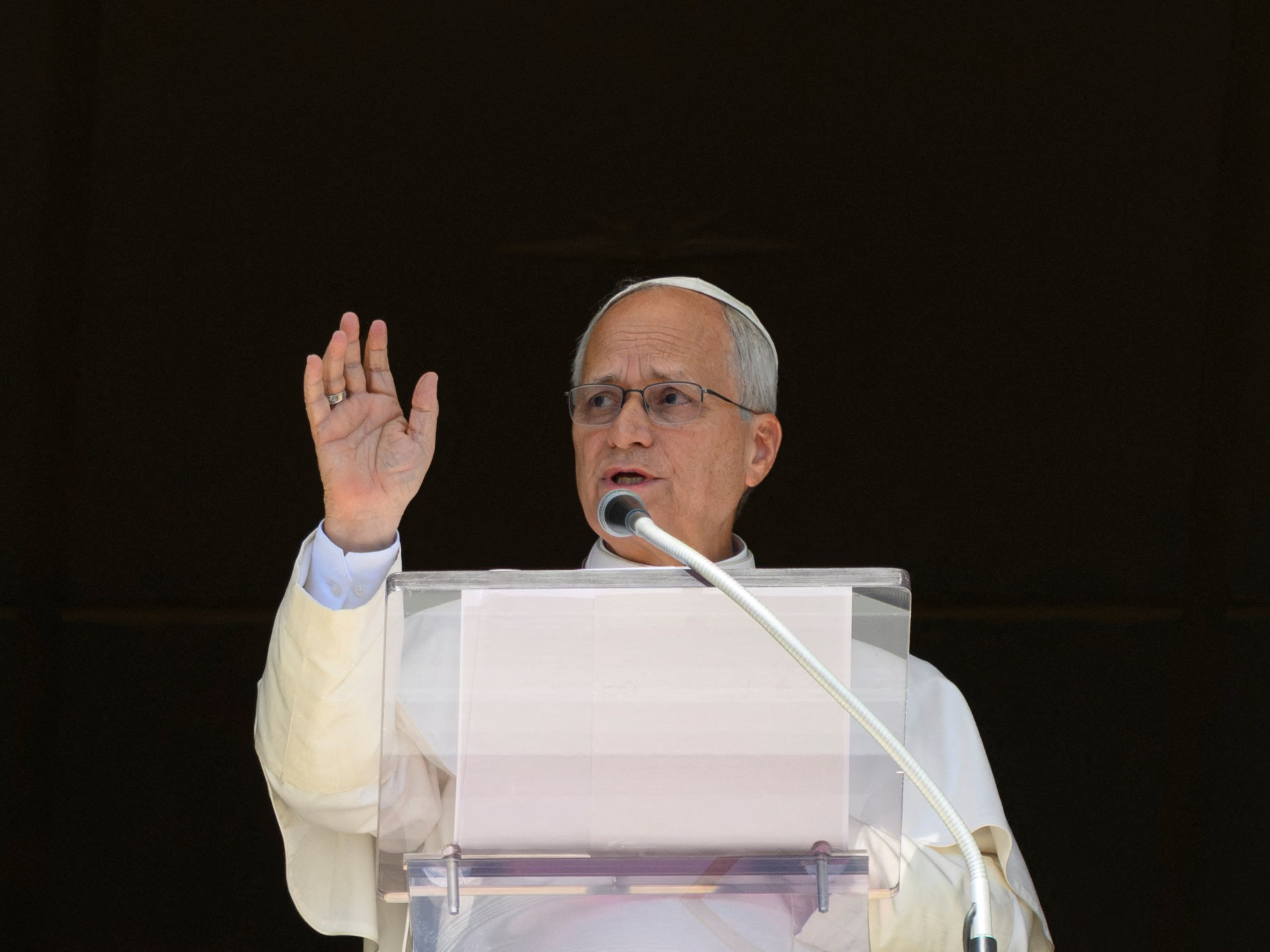
The Holy See announced on Wednesday that Pope Leo, 71, will undergo targeted thoracic surgery at the Agostino Gemelli University Policlinic in Rome to excise a diagnosed lung nodule. According to official statements from the Vatican press office, the pontiff is expected to remain hospitalized for approximately seven days, followed by a brief period of monitored convalescence at his residence. The medical intervention comes at a critical juncture on the Vatican's diplomatic calendar, as the sovereign leader of the Catholic Church prepares for an extensive multi-nation tour across Latin America scheduled for later this quarter.
The papacy of Pope Leo has been characterized by active international engagement, spanning conflict mediation in Latin America, humanitarian advocacy across the Global South, and discreet backchannel diplomacy in international flashpoints. A sudden pause in the pontiff's schedule shifts immediate attention toward the administration of the Roman Curia and the Secretary of State, Cardinal Pietro Parolin, who routinely directs foreign policy affairs during papal medical procedures. Diplomats in Rome and across Latin American capitals are monitoring the clinical development closely, assessing whether bilateral state visits and multilateral engagements will require postponement.
Global Trade & Economic Ripples
While papal health developments rarely trigger immediate structural adjustments in bulk commodity exchanges or maritime shipping routes, the broader geopolitical footprint of the Holy See influences socio-political stability across emerging markets. In Latin America—a vital exporter of agricultural commodities including soybeans, beef, sugar, and critical minerals such as copper and lithium—papal visits frequently serve to de-escalate domestic unrest, stabilize electoral tensions, and bolster investor sentiment.
International commercial sectors linked to large-scale events, religious tourism, and aviation logistics across targeted host nations face immediate planning uncertainties. Major regional hubs preparing for multi-city apostolic visits typically commit significant fiscal outlays toward security infrastructure, crowd control, and hospitality operations. Market participants tracking sovereign debt dynamics and policy transitions in Latin American economies observe that religious moral authority often acts as an informal dampener on political polarization, indirectly supporting institutional predictability and sovereign credit profiles.
Related Intelligence: New York City Police Force Review Sparks Broader Governance and Security Debate
International Reactions & Diplomatic Stances
Official communiques wishing the pontiff a swift recovery were issued across global capitals within hours of the announcement. Leaders across Latin America, including the heads of state of Brazil, Mexico, and Argentina, released formal statements emphasizing the importance of the pontiff's planned regional visit and offering state support for diplomatic adjustments.
Multilateral bodies, including representatives from the United Nations and the European Union, noted the Holy See's sustained efforts in brokering humanitarian corridors and supporting global poverty alleviation frameworks. Political analysts in Rome highlighted that the Vatican Secretariat of State continues to maintain uninterrupted diplomatic communication with foreign ministries, assuring bilateral partners that ongoing peace initiatives and concordat negotiations remain fully active under delegated administrative authorities.
Strategic Outlook & Future Scenarios
The immediate trajectory hinges on the post-operative medical bulletin issued by the surgical team in Rome. If the recovery adheres to the baseline seven-day timeline without postoperative complications, the Latin American itinerary is anticipated to proceed, albeit potentially with truncated public appearances to reduce physical strain.
Conversely, an extended convalescence would necessitate formal diplomatic postponements, delaying anticipated bilateral meetings with regional leaders addressing migration corridors, environmental stewardship, and sovereign debt relief initiatives. Over the medium term, questions surrounding the physical endurance of senior Vatican leadership will bring renewed focus to institutional governance and continuity mechanisms within the Roman Curia, influencing how effectively the Holy See exercises moral and diplomatic leverage across complex international disputes.
Join Our Official WhatsApp Channel
Receive live commodity alerts, policy changes, and commercial intelligence directly on WhatsApp.