
France Imposes Curfews Across Major Metropolises Following Severe Civil Unrest
French authorities have deployed emergency curfews in central Paris and major urban centers after widespread rioting overwhelmed law enforcement, threatening domestic commercial infrastructure and regional logistics.
Geopolitical & Core Developments
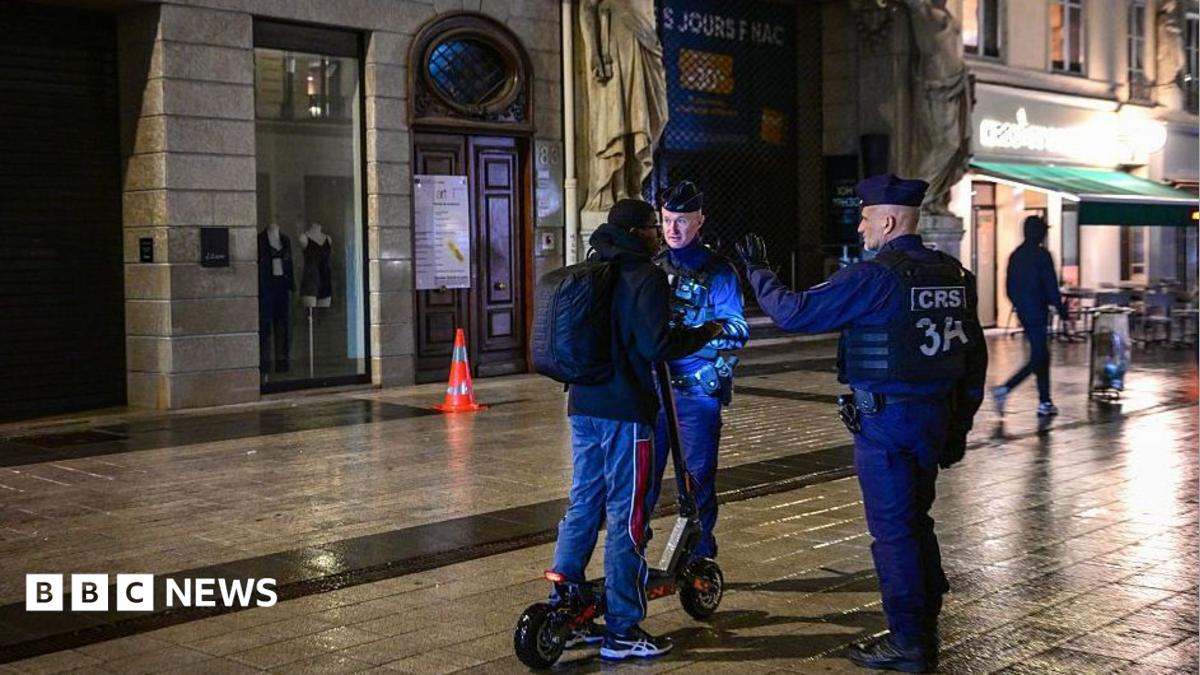
French authorities have enacted emergency overnight curfews spanning sensitive sectors of central Paris, Marseille, Lyon, and northern commuter belts following days of intensifying urban riots. The drastic security intervention came in the wake of an extraordinary public admission by the French Interior Minister, who conceded that national law enforcement units had temporarily lost operational control across multiple metropolitan nodes. What began as localized demonstrations rapidly spiraled into coordinated confrontations with gendarmerie forces, targeting municipal infrastructure, transport hubs, and financial institutions.
The deployment of tens of thousands of heavily armed police officers and specialized anti-terror brigades has transformed public corridors into secure zones, curtailing vehicular traffic and public transit after dark. For President Emmanuel Macron's administration, the security breakdown represents a profound political crisis, compounding domestic vulnerabilities and testing institutional resilience. With municipal centers barricaded and local administrations struggling to contain systemic property destruction, the state faces unprecedented pressure to re-establish public order without provoking broader constitutional flashpoints.
Global Trade & Economic Ripples
The escalation of street-level volatility is actively disrupting commercial activity across the European Union's second-largest economy. Retail supply chains in northern and central France have suffered acute delivery backlogs, with freight networks and cross-border trucking operators altering transport corridors to avoid blockaded logistics platforms and major toll routes. The disruption threatens critical delivery schedules in high-turnover consumer goods, automotive parts, and retail distribution.
Simultaneously, the hospitality and luxury retail sectors—key pillars of the French service economy and pivotal drivers of foreign exchange receipts—are registering immediate demand contractions. Major retail corridors in central Paris have shuttered storefronts during peak commercial hours, depressing high-margin tourism revenues. While European benchmark natural gas and wholesale power markets remain structurally insulated from localized domestic unrest, financial analysts warn that persistent social destabilization could erode investor sentiment, exert downward pressure on the euro against the US dollar, and widen the sovereign debt spread between French OATs and German Bunds.
Related Intelligence: Severe Unrest Across France Threatens European Economic Stability and Heritage
International Reactions & Diplomatic Stances
The domestic governance crisis has drawn urgent responses from foreign ministries and multilateral institutions. Allied Western governments, including the United States, the United Kingdom, and Germany, updated their consular travel advisories, warning citizens against visiting central urban zones across France and advising avoidance of major transport interchanges. The United Nations human rights apparatus urged Paris to balance public order mandates with adherence to proportional law enforcement doctrines.
Market intelligence firms and sovereign risk rating agencies are closely assessing the fiscal implications of the destruction. Analysts from Fitch Ratings and Moody's have underscored that prolonged social turbulence risks paralyzing structural economic reforms, weakening investor confidence, and worsening France's public deficit trajectory. European counterparts have privately voiced concerns over cross-border spillovers, particularly along transport corridors linking the Iberian Peninsula, Benelux, and central European freight corridors.
Strategic Outlook & Future Scenarios
The immediate trajectory of the crisis hinges on whether curfew mechanisms and concentrated security deployments can dampen night-time mobilization across periphery communities. If urban unrest expands into national transport unions or broad-based labor demonstrations, the French executive branch may be forced to deliberate invoking the formal 1955 State of Emergency law, which would expand detention authorities and military logistics involvement.
In the medium term, the crisis threatens to derail France's diplomatic leverage within the European Council, diverting presidential bandwidth away from critical European Union industrial competitiveness pacts and strategic security agendas. If the government fails to rapidly restore baseline domestic stability, elevated operational and insurance costs will weigh on corporate investment, cementing a structurally higher risk premium for firms conducting business within the French market.
Join Our Official WhatsApp Channel
Receive live commodity alerts, policy changes, and commercial intelligence directly on WhatsApp.