
Sindh Rabies Fatalities Reach 42 Amid Mounting Urban Health Crisis
Sindh's rabies death toll reached 42 after two more patients succumbed to the virus on Monday, intensifying demands from medical associations for coordinated municipal intervention and animal population control.
The Core Development
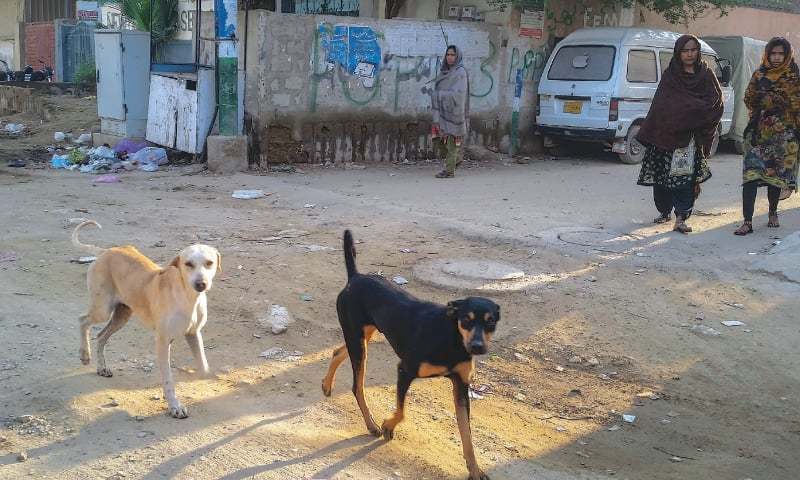
A deepening public health crisis in Sindh escalated further on Monday as two more victims succumbed to rabies, lifting the province's officially recorded death toll from the preventable viral disease to 42 for the current calendar year. The fatal incidents have triggered renewed, urgent appeals from medical bodies demanding that provincial and municipal administrations establish comprehensive infrastructure to remove stray dogs from public thoroughfares and relocate them to designated containment shelters.
Among the latest casualties was a 38-year-old male resident of Hyderabad, identified as Javed, who died at the Jinnah Postgraduate Medical Centre (JPMC) in Karachi. Clinical reports indicate that the patient was admitted to the emergency department displaying advanced neurological symptoms characteristic of terminal rabies, including severe hydrophobia, dysphagia, agitation, and high fever, having failed to access timely post-exposure prophylaxis following an earlier canine encounter. The recurring pattern of fatalities arriving from interior Sindh underscores persistent gaps in primary trauma care and vaccine distribution outside tier-one urban centers.
Representatives from the Pakistan Medical Association (PMA) referenced ongoing epidemiological studies indicating an alarming prevalence of the rabies virus within free-roaming canine packs across Karachi and surrounding districts. The association emphasized that piecemeal municipal culling initiatives have failed systematically, urging authorities to execute synchronized vaccination, sterilization, and sanctuary programs to curb population density.
Commercial & Economic Implications
Beyond the profound human tragedy, the unchecked proliferation of stray animals imposes tangible economic overheads on Pakistan's commercial hubs. Retail footfall in wholesale distribution clusters, morning commodity markets, and open-air commercial avenues faces recurrent disruption as pedestrian transit becomes fraught with physical safety hazards. Micro-enterprises operating along urban corridors—including transport workers, street vendors, and retail logistics handlers—bear the primary brunt of unregulated street hazards.
At a macro level, the surge in dog bite presentations places severe fiscal pressure on public healthcare budgets already stretched by foreign exchange constraints on medical imports. Post-exposure treatment mandates specific anti-rabies vaccines (ARVs) and rabies immunoglobulin (RIG), commoditized pharmaceuticals that frequently suffer from supply shortages and pricing volatility in local wholesale medicine markets. For households and blue-collar workforces lacking comprehensive medical insurance, out-of-pocket costs for immediate treatment represent an acute financial shock, resulting in avoidable work absenteeism and subsequent labor productivity losses across trade sectors.
Related Intelligence: Colombia Illegal Gold Mine Collapse Kills 14 Amid Supply Chain Scrutiny
Stakeholder Perspectives & Market Reactions
Healthcare advocacy organizations and medical professionals have voiced profound frustration over administrative inertia. The PMA warned that without a structural, multi-tiered approach encompassing municipal wards, specialized shelters, and mass vaccination, rabies mortality figures will inevitably climb. Clinicians point out that rabies has a near-100 percent fatality rate once clinical symptoms manifest, making preventive animal population management the only viable epidemiological defense.
In contrast, civic administrators face logistical bottlenecks and institutional disputes regarding urban animal control. Prior culling operations met with sustained legal opposition and public outcry from animal welfare organizations, yet municipal authorities have failed to allocate capital expenditures toward institutional sheltering and systematic Trap-Neuter-Vaccinate-Return (TNVR) programs. Traders' associations in major wholesale epicenters have begun registering formal complaints with local councils, highlighting that unmanaged street environments compromise commercial accessibility and discourage late-hour consumer activity.
Forward Outlook & Key Watchpoints
The trajectory of this crisis hinges on whether the Sindh provincial government translates administrative discourse into enforceable, funded civic policy. Key monitorable milestones include municipal budgetary allocations for dedicated canine shelters and the execution of provincial-wide vaccination drives coordinated alongside international health guidelines.
Furthermore, supply chain continuity for critical biologicals across district headquarters hospitals will serve as a vital indicator of provincial readiness. Observers and trade bodies will closely monitor municipal council sessions over the coming quarter to assess whether localized containment bylaws and rabies surveillance frameworks receive statutory approval and practical implementation.
Join Our Official WhatsApp Channel
Receive live commodity alerts, policy changes, and commercial intelligence directly on WhatsApp.