
France Faces National Turmoil Over Controversial Global Security Bill
Massive nationwide protests in France over a controversial security bill spark intense international scrutiny regarding press freedom, civil liberties, and the economic fallout for European markets.
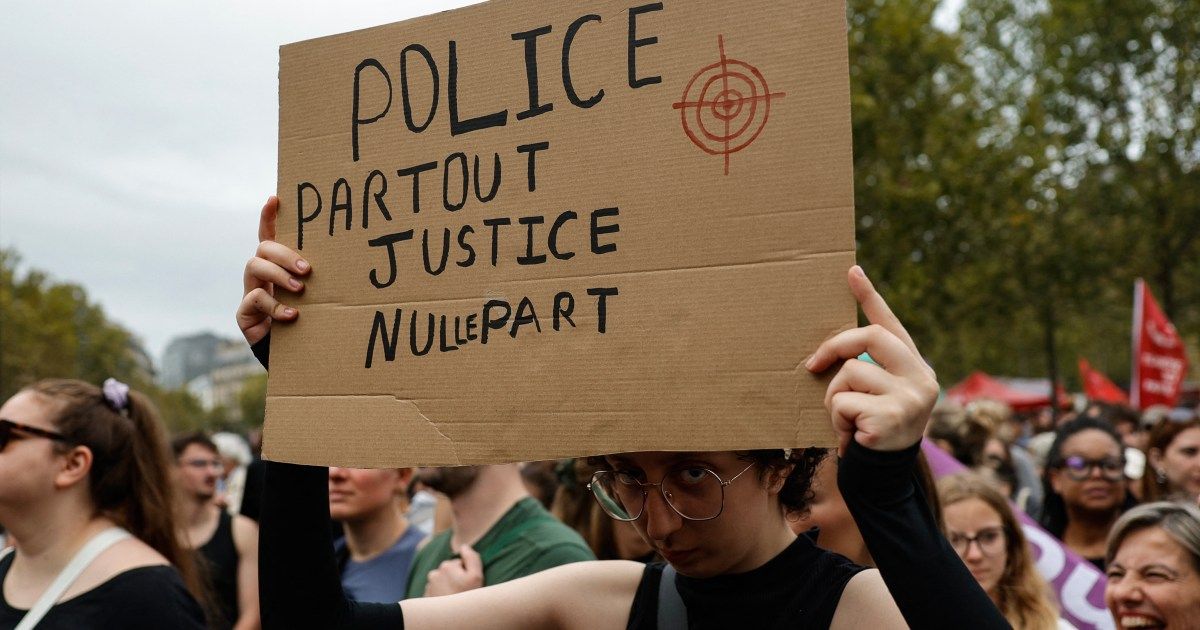
Geopolitical & Core Developments
France has been gripped by widespread civil unrest as tens of thousands of demonstrators take to the streets to protest the government's controversial global security bill. At the heart of the legislative battle is Article 24, which criminalizes the malicious dissemination of images identifying on-duty police officers and gendarmes. Critics, including prominent human rights organizations, civil liberties advocates, and independent journalists, argue that the measure creates a de facto blanket ban on recording law enforcement operations, severely undermining transparency and democratic accountability.
The political crisis has escalated rapidly, pitting President Emmanuel Macron’s centrist administration against a coalition of civil rights defenders, press unions, and leftist opposition parties. The government maintains that the legislation is essential for protecting police officers from online harassment, doxxing, and physical threats in an increasingly volatile domestic security environment. However, opponents contend that the bill grants law enforcement excessive impunity, drawing sharp comparisons to authoritarian governance models and triggering a profound constitutional debate within the heart of the European Union.
[Global Trade](/news/middle-east-tensions-threaten-global-trade-commodity-markets) & Economic Ripples
While the protests are ostensibly centered on domestic law enforcement and civil rights, the prolonged social instability carries significant implications for European economic markets and commercial sentiment. France remains a core pillar of the Eurozone economy, and persistent urban unrest, property destruction, and transit disruptions directly impact domestic retail sales, tourism revenue, and foreign direct investment.
International commodity and energy markets closely monitor prolonged European political instability, as heightened social friction can disrupt industrial output, labor productivity, and critical supply chain logistics. Furthermore, investor confidence in French sovereign debt and equities can experience heightened volatility during periods of intense domestic friction, influencing broader European currency valuations and cross-border trade dynamics. Multinational corporations operating within French urban centers face operational disruptions, forcing corporate strategists to reassess risk management protocols and supply chain resilience.
Related Intelligence: Middle East Tensions Threaten Global Trade and Commodity Markets
International Reactions & Diplomatic Stances
Global bodies and international human rights organizations have voiced profound concern over the legislative trajectory in Paris. The United Nations human rights office, alongside bodies such as Amnesty International and Reporters Without Borders, has formally urged the French government to revise the contentious clauses to ensure full compliance with international human rights standards and freedom of expression covenants.
Diplomatic partners within the European Union are watching the developments closely, as France positions itself as a primary champion of European democratic values and digital rights regulation. Analysts note that the domestic backlash weakens Macron’s international standing as he attempts to project strong leadership on broader European integration and security autonomy initiatives. Financial market analysts warn that persistent international criticism tarnishes France's reputation as a stable destination for long-term capital investments.
Strategic Outlook & Future Scenarios
As the political deadlock deepens, the Macron administration faces a critical test of executive resolve versus public consensus. The French Constitutional Council and potential parliamentary revisions will serve as pivotal arenas for mitigating the crisis, though public skepticism remains exceptionally high. If the government refuses to substantially rewrite or withdraw the disputed provisions, France risks a protracted escalation of social unrest, potentially spilling over into broader labor strikes across transport and energy sectors.
Looking ahead, the resolution of this legislative standoff will set a crucial precedent for how major Western democracies balance national security imperatives with digital-age civil liberties. Upcoming electoral cycles and parliamentary debates will determine whether the administration can restore social harmony or face enduring political polarization that impairs its broader economic reform agenda.
Join Our Official WhatsApp Channel
Receive live commodity alerts, policy changes, and commercial intelligence directly on WhatsApp.