
Trump-GCC New York Summit Set to Redifine US-Gulf Strategic and Energy Ties
Donald Trump meets with Gulf Cooperation Council leaders in New York to negotiate vital security, trade, and energy partnerships amid evolving geopolitical landscapes.
Geopolitical & Core Developments
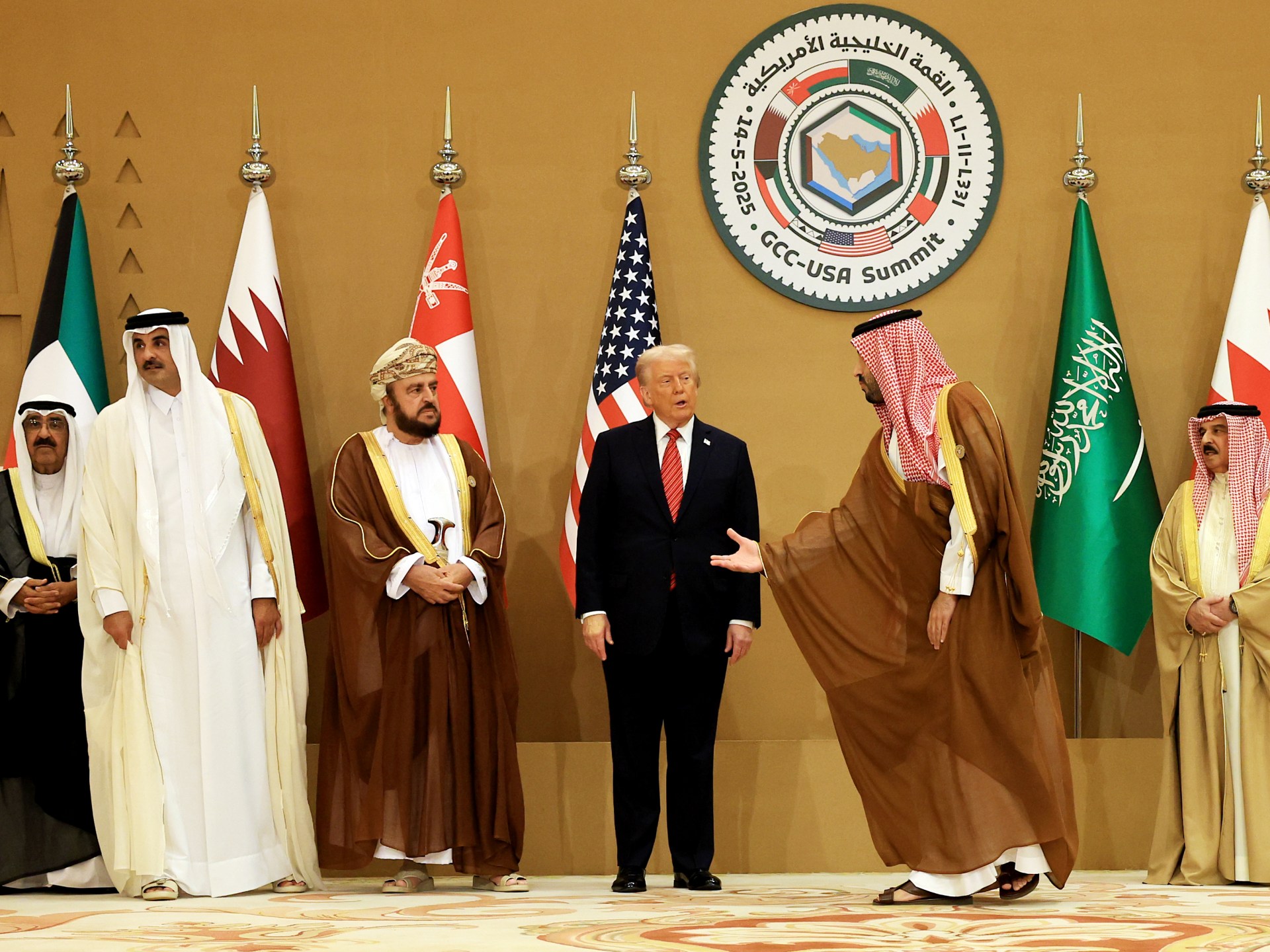
On the sidelines of the United Nations General Assembly in New York, incoming US administration leadership is slated to convene a high-stakes diplomatic summit with heads of state and senior ministers from the Gulf Cooperation Council (GCC). The gathering brings together leaders from Saudi Arabia, the United Arab Emirates, Qatar, Bahrain, Kuwait, and Oman to recalibrate long-standing transatlantic alliances. This strategic engagement underscores Washington's enduring reliance on the Arabian Peninsula for regional security coordination, counterterrorism intelligence sharing, and diplomatic mediation in ongoing Middle Eastern conflicts.
For the Gulf monarchies, the summit represents a crucial opportunity to secure binding security guarantees, advanced defense technology transfers, and favorable diplomatic backing amid shifting global power dynamics. The discussions are expected to touch upon regional de-escalation frameworks, integration of air defense systems, and multilateral cooperation concerning maritime security in the Arabian Gulf, the Red Sea, and the Strait of Hormuz. State actors view this high-level dialogue as a foundational milestone for defining US-Arab foreign policy over the next four years.
[Global Trade](/news/london-fashion-week-repositions-beyond-uk-borders-amid-global-trade-shifts) & Economic Ripples
Beyond traditional security matters, the New York summit carries profound implications for global energy markets, international trade corridors, and commodity pricing. The GCC member states control a significant share of the world's proven petroleum and natural gas reserves, making coordination with Washington vital for maintaining global energy stability. Energy ministers and economic advisors are anticipated to review crude production quotas managed under the OPEC+ framework, supply chain resilience, and strategies to mitigate volatility in global oil benchmarks amidst fluctuating macroeconomic demand.
Furthermore, the discussions will likely pivot toward cross-border investments in critical emerging technologies, including artificial intelligence infrastructure, semiconductor supply chains, and green energy transitions. Gulf sovereign wealth funds continue to deploy massive capital reserves into Western markets, while US technology giants expand their footprint across the GCC. Maintaining open commercial channels and predictable regulatory environments remains paramount for safeguarding international trade lanes and ensuring stable currency values across the region.
Related Intelligence: London Fashion Week Repositions Beyond UK Borders Amid Global Trade Shifts
International Reactions & Diplomatic Stances
International observers, multilateral institutions, and global financial markets have responded to the summit announcement with keen interest and cautious optimism. Officials at the United Nations have emphasized the potential for renewed diplomatic momentum in resolving protracted regional conflicts through collaborative stakeholder engagement. Meanwhile, major investment banks and commodity trading houses have mobilized advisory teams to monitor potential policy shifts regarding trade tariffs, sanctions enforcement, and foreign investment screenings.
Market analysts note that while formal communiqués are likely to emphasize mutual economic prosperity and strategic partnership, underlying negotiations will demand careful balancing of competing national interests. European allies and Asian energy importers are closely watching the proceedings, cognizant that any alterations to US-Gulf defense and trade pacts will immediately ripple through global shipping insurance rates, petroleum futures, and macroeconomic growth forecasts.
Strategic Outlook & Future Scenarios
Looking ahead, the Trump-GCC summit is expected to catalyze a series of bilateral trade missions and defense modernization agreements throughout late 2024 and 2025. Both sides recognize the necessity of institutionalizing these high-level dialogues into structured frameworks that can withstand future geopolitical shocks. Potential escalation points, including maritime security threats in critical chokepoints and evolving sanctions regimes, will require continuous diplomatic vigilance and agile economic policy coordination.
Ultimately, the trajectory of US-GCC relations following this New York meeting will set the tone for global energy governance and investment flows. As sovereign wealth funds accelerate diversification away from pure hydrocarbon reliance, partnerships forged during this summit will shape the contours of international commerce, technological innovation, and geopolitical stability for decades to come.
Join Our Official WhatsApp Channel
Receive live commodity alerts, policy changes, and commercial intelligence directly on WhatsApp.