
France Begins Clean-Up Operations as Urban Unrest Strains Domestic Economy
France initiates major recovery efforts following extensive nationwide riots, as commercial sectors tally severe damages and law enforcement maintains a high-security posture across key urban centers.
Geopolitical & Core Developments
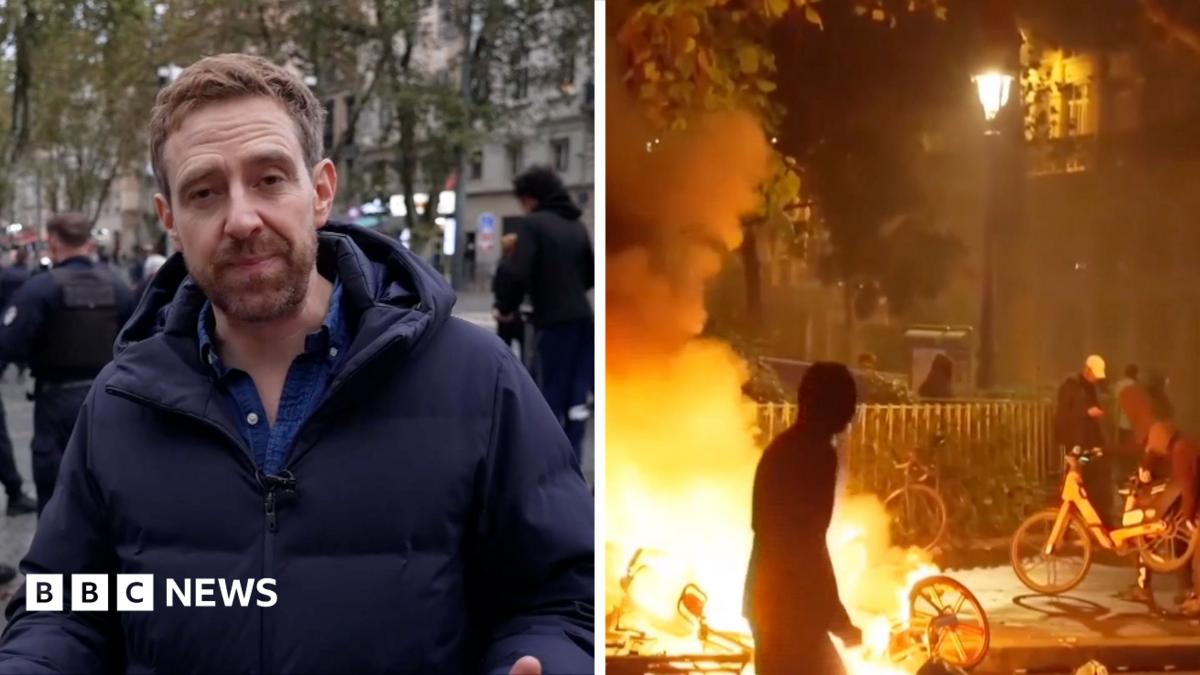
Municipal authorities and commercial operators across France have initiated extensive recovery and clean-up operations following consecutive nights of intense urban unrest. While the unrest initially flared in the Parisian suburbs following a fatal police shooting, the destabilization rapidly spread to key metropolitan centers nationwide. The southern port city of Marseille experienced some of the most concentrated property damage, with local commerce federations reporting that more than 600 retail and commercial premises were attacked, vandalized, or completely looted.
The French government responded with an unprecedented internal security deployment, maintaining tens of thousands of police and gendarmerie forces on active rotation to protect critical urban infrastructure, transport networks, and municipal halls. French President Emmanuel Macron faced mounting political pressure to restore public order without invoking a formal state of emergency, which could have carried further domestic and diplomatic fallout. The timeline of unrest has severely disrupted public administration, forced the postponement of critical diplomatic engagements, and exposed deep fractures within France's socio-economic and political architecture.
Global Trade & Economic Ripples
The economic fallout extends far beyond municipal repair costs. The French retail federation, Medef, and regional commercial chambers have warned of direct losses reaching billions of euros, with small-to-medium enterprises absorbing significant disruption during peak summer consumer cycles. Transport and logistics networks faced systemic paralysis, as regional freight routes, urban rail infrastructure, and inner-city delivery channels were suspended to prevent further losses.
International tourism, a vital pillar of the French macroeconomy representing over seven percent of gross domestic product, has recorded immediate cancellations, particularly across high-density hospitality hubs in Paris, Lyon, and the Mediterranean corridor. Disruptions to commercial transport around Marseille, one of the Mediterranean basin's premier shipping and cargo nodes, created logistical bottlenecks for regional freight moving toward central Europe. Concurrently, European equity markets demonstrated heightened sensitivity to potential prolonged disruption, while sovereign debt yields reflected marginal friction as fiscal analysts accounted for emergency state-backed relief measures and municipal reconstruction expenditure.
Related Intelligence: French Civil Unrest Escalates Political Fragmentation and European Economic Uncertainty
International Reactions & Diplomatic Stances
The international community has monitored developments with growing concern. Travel advisories were promptly issued or upgraded by foreign ministries worldwide, including the United Kingdom, the United States, and several Gulf nations, urging citizens to exercise extreme vigilance and avoid major urban agglomerations. The United Nations Office of the High Commissioner for Human Rights issued statements urging the French administration to comprehensively address deep-seated issues of policing standards and community relations.
Diplomatic counterparts across the European Union have refrained from overt criticism, treating the unrest as a domestic sovereign affair, yet regional policymakers privately acknowledge concerns regarding cross-border political contagion. The events also necessitated the deferral of bilateral European discussions, temporarily siphoning leadership bandwidth away from pressing regional security agendas, including European Union defense cohesion and collaborative industrial policy.
Strategic Outlook & Future Scenarios
Moving forward, the primary trajectory centers on how the French state balances structural law enforcement presence with targeted economic aid packages. Finance Ministry officials are coordinating accelerated insurance processing and emergency tax deferrals to prevent structural insolvencies among damaged commercial enterprises, particularly in Marseille and the Ile-de-France region.
Strategic escalation points will revolve around parliamentary debates regarding internal security legislation and municipal governance reforms. In the medium term, prolonged social volatility risks deteriorating France's sovereign attractiveness for foreign direct investment, particularly in urban real estate, manufacturing hubs, and large-scale infrastructure projects ahead of upcoming international sporting and geopolitical summits. Ensuring prolonged civil stability will remain the central prerequisite for stabilizing national trade flows and preserving consumer confidence throughout the European economic zone.
Join Our Official WhatsApp Channel
Receive live commodity alerts, policy changes, and commercial intelligence directly on WhatsApp.