
Former DRC President Kabila Aligns With M23 Rebel Coalition
Former DR Congo President Joseph Kabila has joined a political-military alliance featuring M23 rebels, escalating confrontation risks with President Felix Tshisekedi and destabilizing the Great Lakes region.
Geopolitical & Core Developments
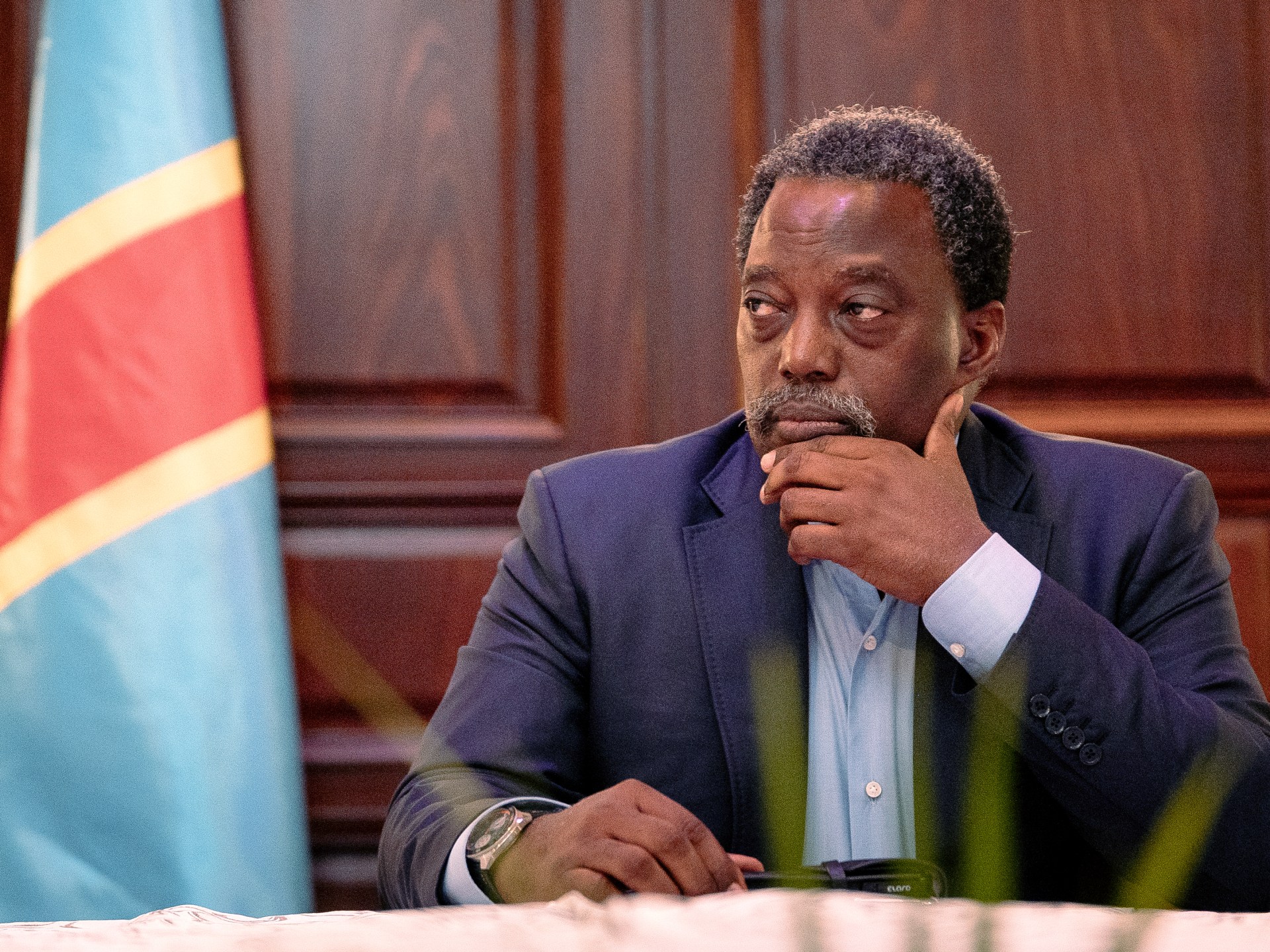
The political landscape of Central Africa shifted dramatically following confirmation that former Democratic Republic of the Congo (DRC) President Joseph Kabila has entered into an alliance with the Alliance Fleuve Congo (AFC), a political-military movement that includes the March 23 Movement (M23) rebel group. The maneuver represents an unprecedented convergence between the country's former head of state and an armed insurgency actively contesting the authority of sitting President Felix Tshisekedi.
The M23 insurgency, predominantly operating in North Kivu province, has seized vast swaths of territory over the past two years, displacing hundreds of thousands of civilians and encircling the provincial capital of Goma. Kabila, who governed the DRC from 2001 until 2019, had maintained an increasingly tense relationship with Tshisekedi following the collapse of their fragile power-sharing coalition in late 2020. The formal alignment of Kabila's political apparatus with Corneille Nangaa—the exiled former electoral commission chief who founded the AFC—creates a unified front challenging Kinshasa's sovereign control from both within the political elite and on the battlefield.
This consolidation poses immediate threats to the fragile regional balance involving Rwanda, Uganda, and the Southern African Development Community (SADC), whose regional forces are currently deployed in support of Congolese government troops.
Global Trade & Economic Ripples
The deepening destabilization of eastern DRC carries direct ramifications for international raw material supply chains. The Great Lakes region sits atop significant reserves of critical minerals essential for advanced manufacturing, renewable energy technologies, and aerospace applications. Eastern DRC is a primary global source of tantalum (coltan), tin, tungsten, and high-grade gold, while the broader nation supplies more than 70 percent of the world's cobalt.
While primary industrial cobalt and copper concessions are concentrated in the southern Katanga belt, logistical bottlenecks, regional border security threats, and investor uncertainty risk spreading across key transport corridors. Smuggling networks and unauthorized cross-border trade through neighboring states could intensify, complicating compliance for international buyers adhering to the US Dodd-Frank Act and the European Union's Conflict Minerals Regulation. Global electronics and automotive manufacturers face increased scrutiny over provenance tracing as mine sites fall under direct or indirect rebel taxation regimes, threatening to disrupt legitimate supply flows and elevate price volatility on spot commodity markets.
Related Intelligence: Air France Faces Legal Scrutiny Over Compliance With Israeli Crew Directives
International Reactions & Diplomatic Stances
The Kinshasa administration condemned the coalition as high treason, reiterating accusations that the insurgency serves foreign strategic agendas aimed at balkanizing the nation. Legal and security authorities in the capital have signaled potential asset freezes and treason charges against aligned figures.
The United Nations Organization Stabilization Mission in the DR Congo (MONUSCO) expressed grave concern regarding political alliances with designated armed factions, urging adherence to the Luanda and Nairobi peace frameworks. Western diplomats, including representatives from the United States and the European Union, warned that the militarization of political opposition undermines democratic governance and regional stability. Meanwhile, regional actors under the East African Community (EAC) and SADC expressed alarm over the prospect of a wider proxy confrontation that could unravel ongoing mediated dialogue.
Strategic Outlook & Future Scenarios
The strategic trajectory points toward heightened military operations across North Kivu and South Kivu in the near term. With Tshisekedi ruling out formal negotiations with the M23 leadership, government forces, bolstered by SADC contingents and private security contractors, are likely to mount expanded counteroffensives.
Diplomatic channels mediated by Angolan President Joao Lourenco face mounting strain as domestic political friction in Kinshasa intersects with broader geopolitical rivalries between Kinshasa and Kigali. Sanctions regimes from Washington and Brussels may expand to encompass newly integrated political figures within the AFC hierarchy. Should the coalition succeed in opening secondary fronts beyond North Kivu, sovereign risk premiums for central African resource investments will climb, prompting multinational mining firms to review security protocols, reassess regional overland transit routes, and brace for prolonged regional friction.
Join Our Official WhatsApp Channel
Receive live commodity alerts, policy changes, and commercial intelligence directly on WhatsApp.