
Mideast Conflict Escalation Strains Mediterranean Agribusiness and Regional Trade Stability
Persistent hostilities in Gaza and intensified disruptions to agricultural harvesting in the West Bank underline enduring geopolitical fragility, compounding supply chain frictions across the Eastern Mediterranean.
Geopolitical & Core Developments
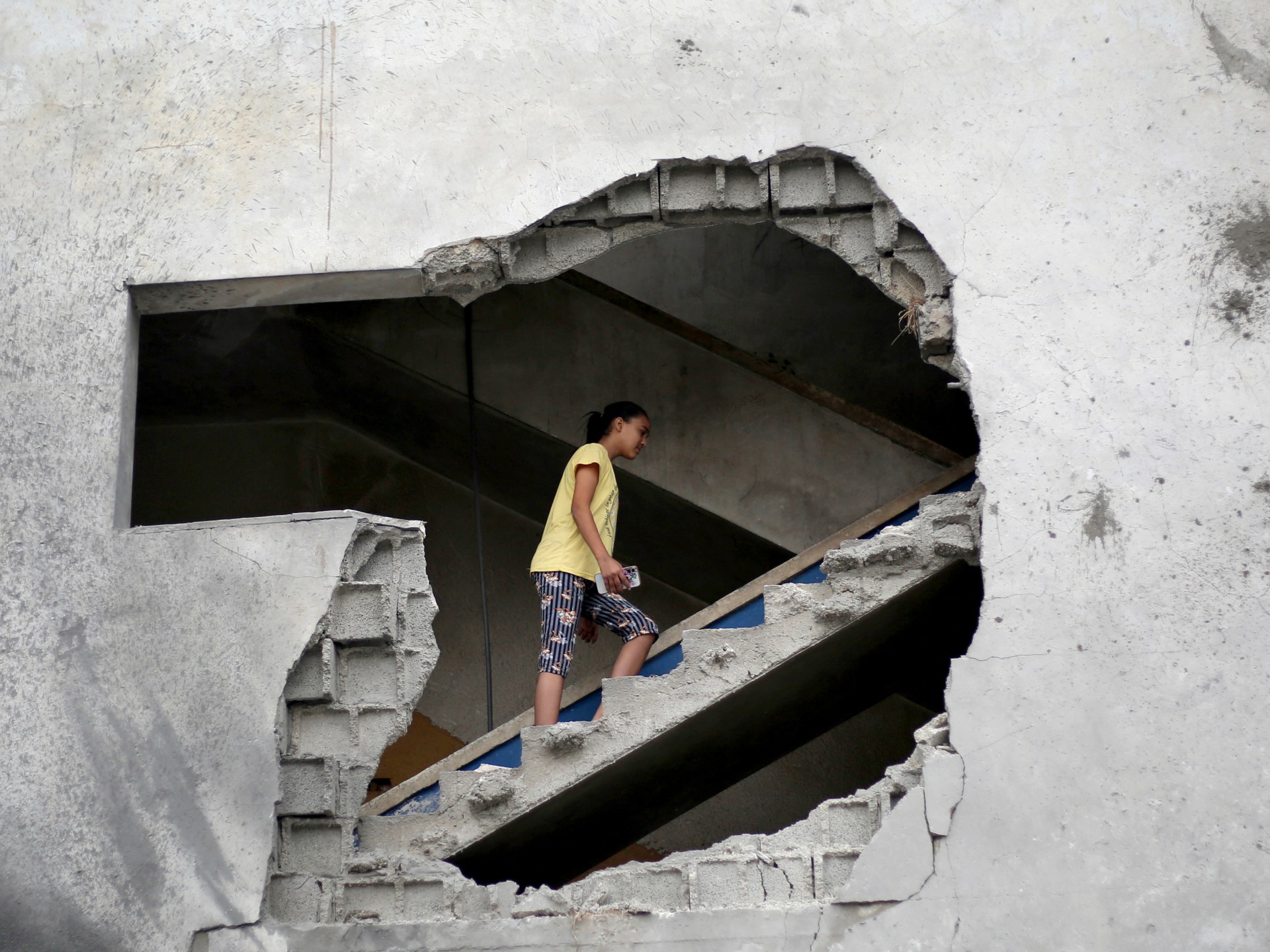
One year following nominal ceasefire and de-escalation frameworks, sustained military operations in Gaza alongside rising volatility across the occupied West Bank underscore the persistent breakdown of diplomatic stabilization initiatives. Field reports indicate continued military strikes across critical urban centers and displacement encampments, frustrating mediation efforts spearheaded by regional actors including Egypt and Qatar, alongside the United States.
Concurrently, the West Bank has seen a measurable surge in targeted confrontations, particularly across agricultural peripheries. The annual olive harvest, an economic linchpin for agrarian communities across the territory, has faced systematic disruptions attributed to expanding settler presence and heightened military checkpoints. These actions have effectively cut off farming collectives from thousands of hectares of arable land, resulting in direct asset destruction and localized economic paralysis. The concurrent pressure on both the coastal enclave and the West Bank highlights a protracted structural crisis, diminishing the viability of intermediate diplomatic solutions.
Global Trade & Economic Ripples
While the direct export volumes of Palestinian agrarian goods represent a specialized market segment, the ongoing destabilization carries acute economic reverberations across the Eastern Mediterranean and interconnected global trade lanes. The disruption of the West Bank olive harvest severely curtails domestic supply, pressuring regional food commodity pricing and forcing reliance on costlier import channels across Jordan and neighboring markets.
More critically, the unresolved nature of the conflict exerts broader pressures on systemic global logistics. Persistent regional hostilities continue to correlate directly with security risks across the Red Sea and Gulf of Aden maritime choke points, where commercial shipping diversions around the Cape of Good Hope remain an operational reality for international carriers. These detours perpetuate elevated container freight rates, prolong transit intervals between European and Asian trading hubs, and inject persistent volatility into crude oil and liquefied natural gas benchmarks. Institutional insurers continue to factor elevated war-risk premiums into commercial maritime operations across the broader Levant and Red Sea basins.
Related Intelligence: Middle East Economies Face Historic Contraction Amid Widening Regional War
International Reactions & Diplomatic Stances
Multilateral bodies and sovereign governments have voiced mounting alarm regarding the protracted human and economic toll. Specialized agencies within the United Nations, alongside the Food and Agriculture Organization, have issued formal assessments warning that the systemic obstruction of agricultural livelihoods constitutes an accelerated trajectory toward structural food insecurity in the Palestinian territories.
The European Union and allied diplomatic missions have repeatedly condemned settler violence and urged the protection of civilian economic infrastructure, noting that the destruction of agricultural assets contravenes international humanitarian law. In contrast, Israeli authorities maintain that military movements and heightened security protocols remain vital defensive measures aimed at neutralizing militant threats. For their part, regional players including Saudi Arabia and Turkey have emphasized that economic integration and sustainable peace initiatives in the Middle East cannot proceed in an environment of uninterrupted territorial and agricultural disenfranchisement.
Strategic Outlook & Future Scenarios
Looking ahead, the diplomatic trajectory appears constrained by structural impasses. In the absence of an enforceable political settlement, low-intensity military friction in Gaza and territorial attrition in the West Bank are likely to persist, exacerbating humanitarian strain and regional market fragmentation. Commercial market participants must anticipate protracted operational uncertainty throughout the Levantine logistics network.
Upcoming multilateral summits, including scheduled United Nations General Assembly sessions and regional economic forums, are expected to see intensified pressure for targeted economic sanctions against non-state actors destabilizing agricultural regions. Should tensions expand further into the northern theater, the probability of wider supply disruptions across Mediterranean ports and regional energy pipelines will elevate sharply, sustaining risk premiums across global commodities through the coming quarters.
Join Our Official WhatsApp Channel
Receive live commodity alerts, policy changes, and commercial intelligence directly on WhatsApp.