
Middle East Crude Flows Surpass Pre-War Volumes Despite Regional Tensions
Middle Eastern crude exports have surpassed pre-war volumes despite ongoing regional tensions, as strategic maritime flows persist and commercial demand adapts to persistent geopolitical friction.
Geopolitical & Core Developments
Recent maritime tracking data reveals that Middle Eastern oil exports have not only stabilized but officially surpassed pre-war volume benchmarks, defying widespread expectations of a prolonged energy blockade. This unexpected resilience in trans-regional crude movement occurs against a backdrop of heightened regional volatility, involving sustained naval posturing and complex diplomatic maneuvers across the Persian Gulf.
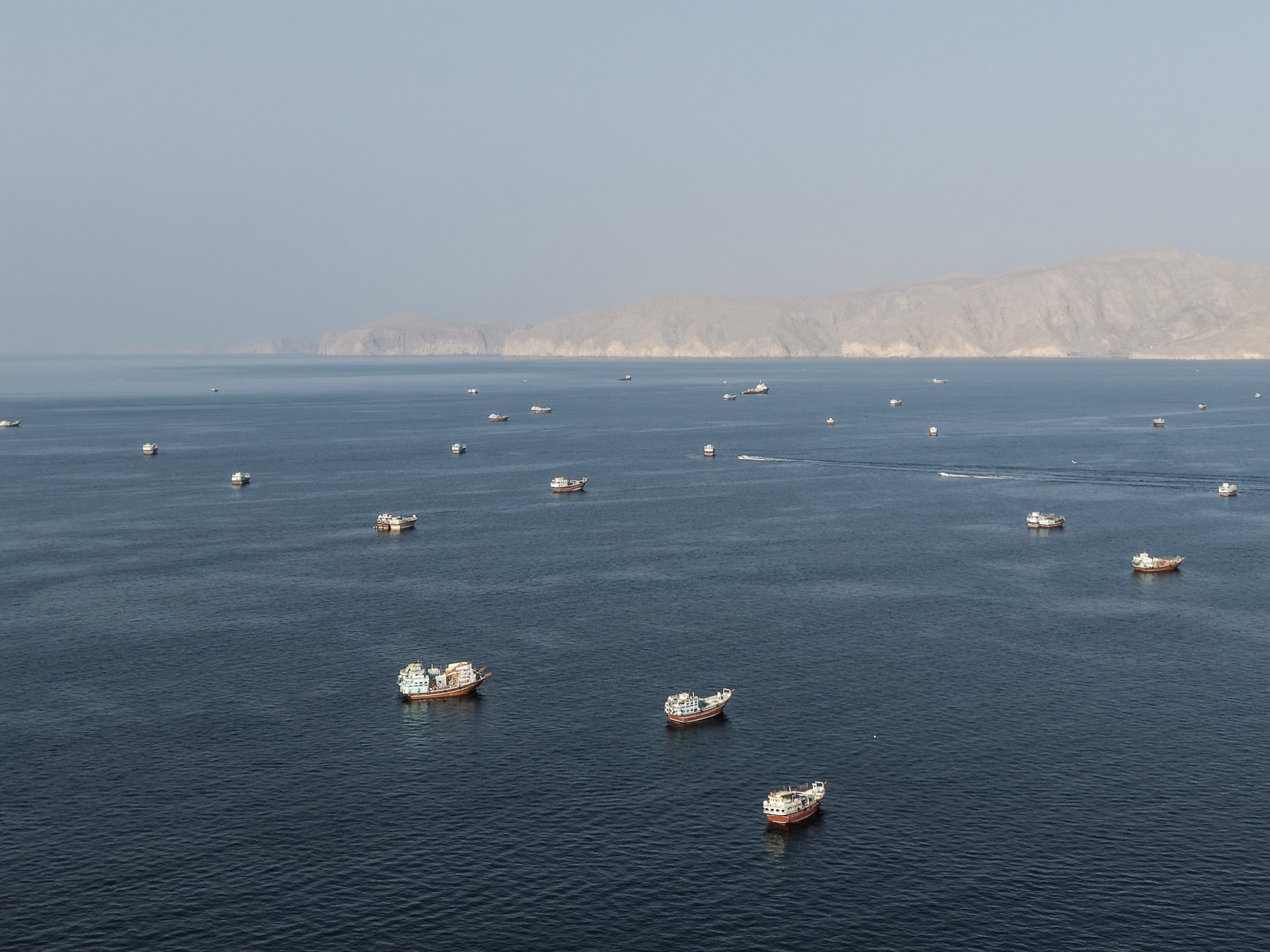
At the center of these strategic dynamics is the Strait of Hormuz, the world’s most critical energy chokepoint. While Western coalition forces maintain an active oversight presence to safeguard commercial shipping lanes, rhetoric from regional actors underscores the fragile security architecture governing the corridor. A senior commander of Iran’s Islamic Revolutionary Guard Corps (IRGC) recently characterized oil flows passing through US-supervised routes as commercially negligible, pointing instead toward alternative export channels and expanding bilateral trade vectors that bypass traditional Western maritime oversight. This divergence in operational assessment highlights a fractured security environment where physical commodity flows continue largely uninterrupted, even as political friction between state actors intensifies.
Global Trade & Economic Ripples
The steady resurgence of high-volume Middle Eastern crude has injected a complex dynamic into global energy markets. Contrary to bearish forecasts that anticipated severe supply contraction and subsequent price spikes, robust export metrics have exerted downward pressure on international crude benchmarks, offering temporary relief to energy-importing economies across Europe and Asia.
However, this volume-driven stability masks underlying vulnerabilities within global supply chains. Insurance premiums for tankers navigating the broader Gulf region remain elevated, reflecting persistent risk assessments among maritime underwriters. Shipping lanes continue to adapt to dynamic threat vectors, with operators balancing the economic imperative of rapid transit against the safety protocols mandated by naval authorities. Commodity pricing structures have grown increasingly sensitive to localized escalation signals, as traders weigh record physical supply against the ever-present tail risk of a sudden maritime disruption.
Related Intelligence: Brazilian Presidential Election Triggers Global Commodity and Trade Volatility
International Reactions & Diplomatic Stances
Multilateral institutions and international energy watchdogs have responded to the data with a mixture of guarded optimism and analytical caution. Representatives from the International Energy Agency (IEA) have noted that sustained production capacity in the Gulf acts as a vital shock absorber for the global economy, tempering the inflationary pressures associated with ongoing geopolitical instability.
Conversely, Western diplomatic corps maintain a posture of strict vigilance. Allied governments continue to emphasize the necessity of maintaining freedom of navigation through international waters, rejecting any unilateral assertions of authority that could compromise commercial transit. Market analysts suggest that while current supply levels are sufficient to satisfy immediate industrial demand, underlying diplomatic deadlocks regarding regional security frameworks leave the broader trade architecture vulnerable to sudden shifts in official policy.
Strategic Outlook & Future Scenarios
Looking ahead, the trajectory of Middle Eastern energy exports will depend on the delicate equilibrium between commercial pragmatism and geopolitical posturing. Upcoming ministerial meetings of major producer alliances will likely focus on aligning output quotas with these unexpectedly strong export realities, testing the cohesion of participating states.
Key escalation points to monitor include potential adjustments to maritime enforcement mechanisms, shifts in naval patrolling mandates, and the enforcement profile of international sanctions targeting regional energy infrastructure. Should current trade channels remain unhindered, global markets may experience an extended period of supply-side stabilization. Conversely, any miscalculation along the vital shipping corridors could instantly reverse these gains, triggering rapid repricing across global commodity exchanges.
Join Our Official WhatsApp Channel
Receive live commodity alerts, policy changes, and commercial intelligence directly on WhatsApp.