
Flydubai Cockpit Incident Sparks Global Aviation Security Review
An extraordinary in-flight security breach aboard a Flydubai flight has triggered urgent global scrutiny over commercial aviation safety standards and cockpit access protocols.
Geopolitical & Core Developments
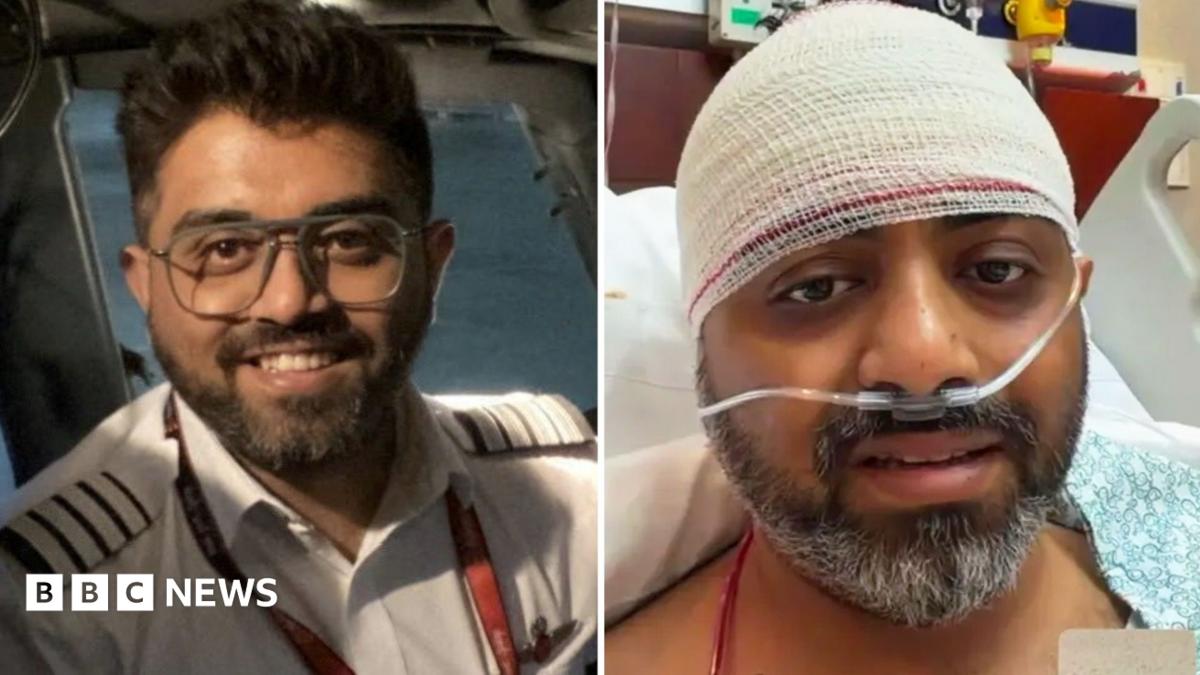
The recent harrowing incident aboard a Flydubai flight, in which an emotional pilot was forced to open the reinforced cockpit door to allow passengers to subdue a rogue co-pilot, has sent shockwaves through international civil aviation circles. While initial reports frame the event as an isolated security crisis rather than a coordinated geopolitical attack, the implications for transnational transport security are profound. State aviation authorities across the Middle East, Europe, and Asia have initiated emergency reviews of flight deck protocols established in the wake of historic security overhauls.
The timeline of the event highlights the fragility of modern single-point-of-failure safety mechanisms. When the co-pilot allegedly became incapacitated or aggressive, the captain faced a split-second dilemma: maintain strict lockdown rules designed to prevent external terrorism or breach protocol to enlist passenger assistance. The successful containment of the threat prevented a catastrophic disaster, but the incident has exposed critical vulnerabilities in how airlines manage internal security threats, pilot incapacitation, and real-time crisis communication between flight decks and ground control stations.
Global Trade & Economic Ripples
Commercial aviation serves as the circulatory system of global trade, supply chains, and executive mobility. Disruptions or perceived vulnerabilities in airline safety directly impact market confidence and insurance underwriting for major carriers. Following the incident, international aviation insurers are signaling potential adjustments to risk premiums, particularly for carriers operating long-haul routes over sensitive conflict zones or complex regional airspace.
Furthermore, the economic implications extend to aerospace manufacturing and regulatory compliance costs. If international bodies such as the International Civil Aviation Organization (ICAO) mandate hardware modifications—such as advanced biometric cockpit access overrides or enhanced psychological monitoring systems—global airlines will face substantial capital expenditure. These potential regulatory burdens arrive at a time when carriers are already navigating volatile jet fuel pricing, supply chain bottlenecks for replacement aircraft parts, and inflationary pressures on labor.
Related Intelligence: Indonesian Volcanic Eruption Sparks Regional Supply Chain and Commodity Anxiety
International Reactions & Diplomatic Stances
Global regulatory bodies and transport ministries have responded with a mixture of relief and rigorous scrutiny. The International Air Transport Association (IATA) issued a statement emphasizing that while commercial aviation remains the safest mode of mass transportation, continuous adaptation is vital to counter emerging human-factor risks. Several national aviation authorities have requested full incident dossiers from UAE regulators to determine whether current international standards for pilot mental health screenings require legislative tightening.
Market analysts and geopolitical risk consultancies note that state actors are increasingly viewing aviation security through a broader national security lens. Diplomatic channels are facilitating information-sharing agreements to ensure that cross-border carriers maintain uniform standards of operational safety, preventing any single regional hub from becoming a perceived weak link in the global transit network.
Strategic Outlook & Future Scenarios
Looking ahead, the Flydubai incident is expected to dominate upcoming international transport summits and regulatory working groups. Policymakers are likely to fast-track debates on automated flight deck safety backups, remote ground-control override capabilities, and standardized psychological support frameworks for long-haul flight crews.
For global logistics and passenger carriers, the strategic trajectory points toward stricter compliance regimes and higher operating hurdles. As international bodies draft updated directives, airlines must proactively invest in crew resource management and advanced security training to reassure both regulators and the traveling public, ensuring that commercial skies remain resilient against internal and external threats alike.
Join Our Official WhatsApp Channel
Receive live commodity alerts, policy changes, and commercial intelligence directly on WhatsApp.